Key Findings
As of 2026, battery thermal management in electric vehicles (EVs) is a paramount concern for ensuring both safety and efficiency. The industry is increasingly relying on a dual approach, employing phase-change materials (PCMs) for passive cooling strategies and liquid cooling systems for active temperature regulation. This synergistic combination is crucial for preventing battery overheating and optimizing overall performance and lifespan.
Technical / Clinical Details
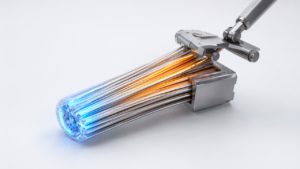
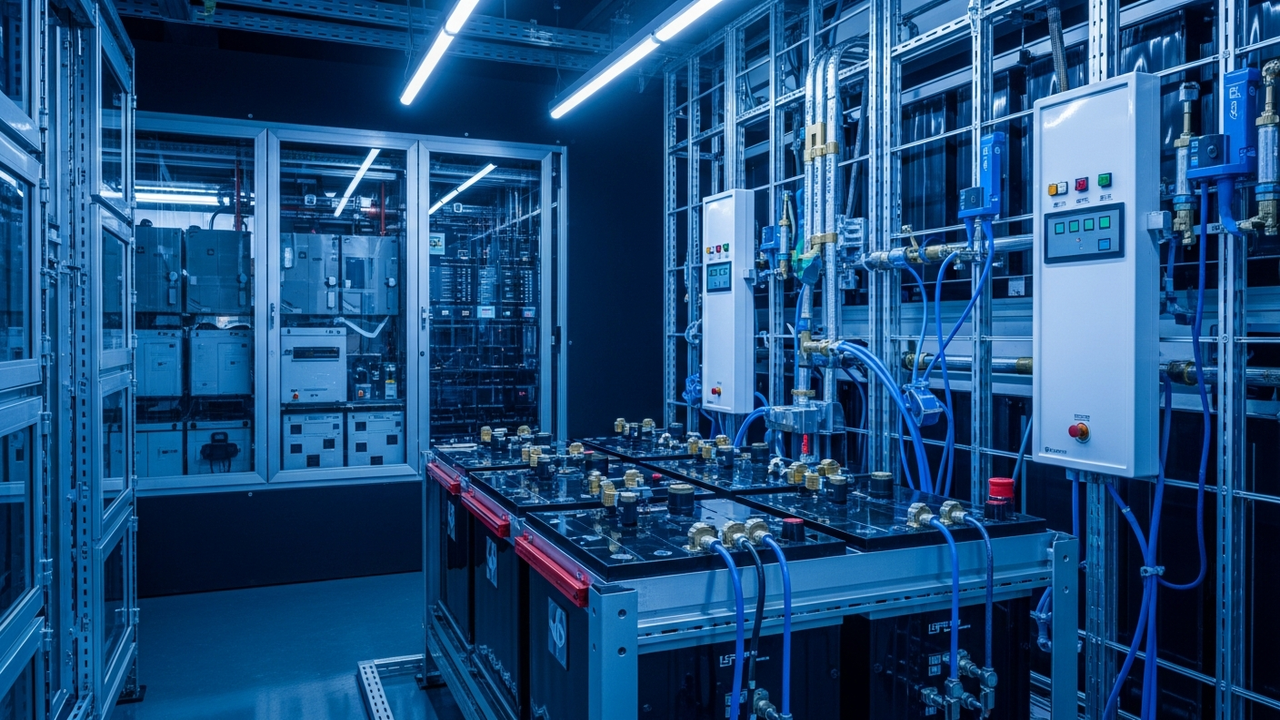
Phase-change materials operate by absorbing a large amount of heat (latent heat) during a solid-to-liquid transition and releasing it during a liquid-to-solid transition. In EV battery packs, various PCMs—including paraffin-based materials, salt hydrates, and more environmentally friendly bio-based PCMs—are used to maintain battery cell temperatures within their optimal operating range. This prevents thermal runaway, stabilizes performance, and extends battery cycle life. The latest EV designs integrate hybrid thermal management systems that capitalize on the short-term heat absorption capacity of PCMs and the sustained heat removal capabilities of liquid cooling. This hybrid approach ensures a more uniform temperature distribution across the entire battery pack, significantly mitigating the risk of thermal runaway events and enhancing both the charging/discharging efficiency and safety of EV batteries.
Background & Context
With the accelerating global adoption of EVs, battery performance and safety have become primary consumer concerns. Overheating, particularly during rapid charging or in high-temperature environments, can lead to performance degradation, reduced lifespan, and in severe cases, thermal runaway events resulting in fires. Effective battery thermal management systems are indispensable for mitigating these risks, thereby bolstering the reliability and market competitiveness of EVs. The combination of PCMs and liquid cooling offers superior thermal management performance compared to conventional air-cooling systems, forming a critical foundation for the future evolution of EV technology.
Strategic Significance & Outlook
The continuous evolution of hybrid thermal management systems will be instrumental in driving further performance enhancements and broader adoption of EVs. As higher energy density batteries and ultra-fast charging technologies are introduced, thermal management requirements are expected to become even more stringent. Consequently, future developments will likely focus on creating PCMs with higher latent heat capacities, broader operating temperature ranges, and long-term stability. Simultaneously, advancements in more compact, lightweight, and efficient liquid cooling systems will be crucial. Furthermore, research into smart thermal management systems featuring AI-powered predictive control and self-diagnostic capabilities is anticipated to accelerate, elevating EV battery safety and performance to the next level.
Get our weekly technology intelligence — free
Receive an infographic that lets you judge at a glance whether each field’s analysis report is worth reading.
Subscribe Free — Weekly Tech Intelligence
By subscribing, you’ll receive Troy-Technical’s weekly technology intelligence newsletter.
- Your email and selected fields are used only to deliver the newsletter.
- We never share your information with third parties.
- You can unsubscribe anytime via the link in each email.
See our Privacy Policy for details.
Takes about a minute · Unsubscribe anytime