Key Findings
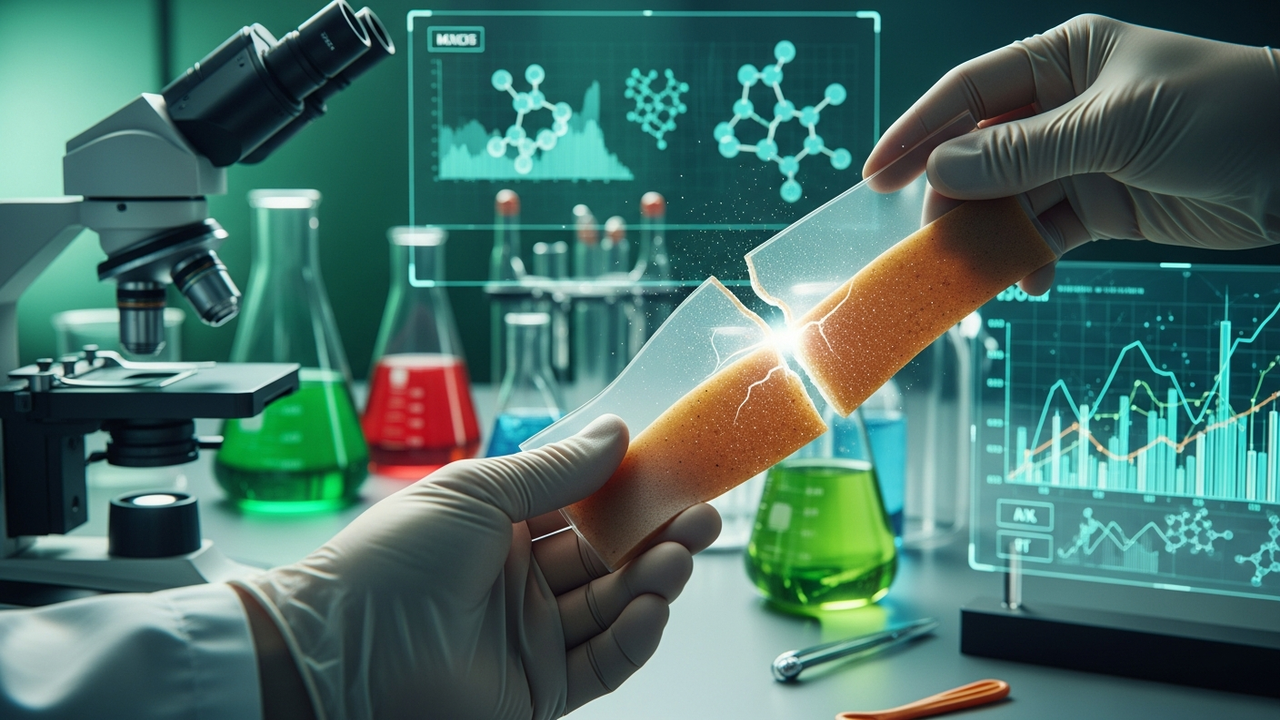
Recent industry conferences and research presentations have highlighted the potential of smart polymers and natural rubber to pioneer a future of greener materials through advanced self-healing polymer systems. These materials harness dynamic intermolecular interactions, such as hydrogen bonding and metal-ligand coordination, to autonomously restore their functionality after sustaining damage.
Technical / Clinical Details
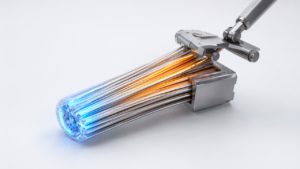
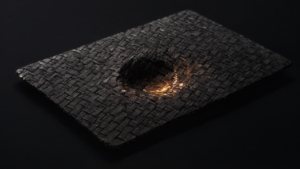
The self-healing capabilities of smart polymers and natural rubber are predicated on reversibly interacting molecular architectures. For instance, in systems utilizing hydrogen bonds, broken bonds resulting from damage can re-form at room temperature or with mild heating, thereby restoring the material’s structural integrity and function. Similarly, metal-ligand coordination systems facilitate self-repair through reversible bond formation and dissociation. Some of these materials also possess a “damage indication” function, enabling them to self-detect and signal damage, which can prompt proactive maintenance or repair. This intrinsic ability significantly extends the useful lifespan of materials, reducing the necessity for frequent replacement in a wide array of applications, including coatings, adhesives, and composite structures.
Background & Context
Contemporary society places increasing emphasis on sustainability, prioritizing the reduction of environmental impact throughout a product’s entire lifecycle. In materials science, the urgent challenge is to develop “green materials” that contribute to waste reduction, resource conservation, and decreased energy consumption. Self-healing materials offer an effective solution to this challenge by enhancing product durability and extending lifespan. Particularly, the combination of bio-derived materials like natural rubber with smart polymers is highly significant, as it promotes the use of renewable resources and minimizes environmental footprint.
Strategic Significance & Outlook
The evolution of self-healing smart polymers and natural rubber represents a crucial step toward achieving a circular economy. These materials hold the potential to enhance the durability and environmental performance of various products, such as automotive tires and body panels, aircraft structural components, and protective coatings for electronics. Future research and development will focus on further improving self-healing efficiency, establishing scalable manufacturing technologies, and optimizing cost-effectiveness. Additionally, evaluating self-healing capabilities under more complex environmental conditions (e.g., underwater or extreme temperature fluctuations) will be vital. These materials are expected to expand their role as foundational technologies for building a sustainable future society.
Get our weekly technology intelligence — free
Receive an infographic that lets you judge at a glance whether each field’s analysis report is worth reading.
Subscribe Free — Weekly Tech Intelligence
By subscribing, you’ll receive Troy-Technical’s weekly technology intelligence newsletter.
- Your email and selected fields are used only to deliver the newsletter.
- We never share your information with third parties.
- You can unsubscribe anytime via the link in each email.
See our Privacy Policy for details.
Takes about a minute · Unsubscribe anytime