Key Findings
The U.S. Department of Energy’s Office of Clean Energy Demonstrations (OCED) has allocated a total of $30 million in federal funding to five groundbreaking Long-Duration Energy Storage (LDES) Demonstrations Lab Call projects. This strategic investment aims to accelerate the commercialization and widespread adoption of LDES technologies, focusing on validating and proving diverse next-generation storage solutions, including organic flow batteries, moving-particle thermal energy storage, electric thermal energy storage, and clean hydrogen-based systems.
Technical & Clinical Details
The five awarded projects will test and validate the following innovative LDES technologies:
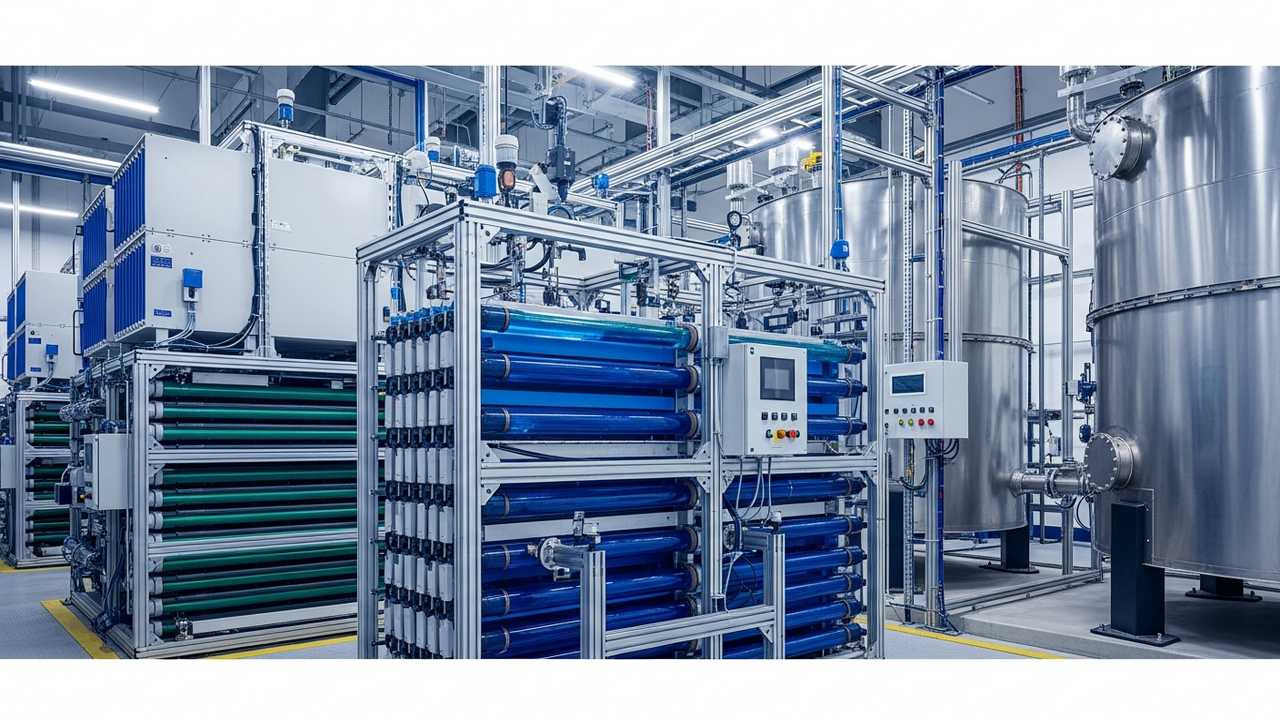
- Organic Flow Battery Modules (Argonne National Lab & Idaho National Lab): These projects will demonstrate organic flow battery modules specifically designed to enhance microgrid resilience and sustainability. Flow batteries are particularly suitable for long-duration storage due to their ability to independently scale power and energy capacity.
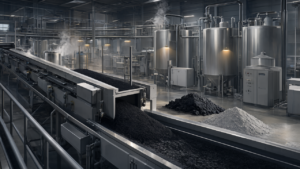
- Moving-Particle Thermal Energy Storage (Sandia National Lab): This initiative will demonstrate a large-scale thermal energy storage system that heats and stores inexpensive particle materials (e.g., sand) and retrieves the heat when needed to generate electricity, improving the thermal efficiency of renewable energy utilization.
- Electric Thermal Energy Storage (National Renewable Energy Lab): This project will showcase a system that stores surplus electricity as heat and converts it back to electricity when required. This technology is expected to offer both cost-effectiveness and high efficiency.
- Clean Hydrogen-Based LDES Systems (National Renewable Energy Lab): Demonstrations will involve long-duration energy storage systems utilizing clean hydrogen produced from renewable energy sources. Hydrogen offers unique advantages for seasonal storage and very extended discharge durations.
All projects are designed to demonstrate systems capable of delivering power for a minimum of 10 hours and proving grid resilience through continuous operation for over 24 hours.
Background & Context
As renewable energy penetration increases, the need for long-duration energy storage capable of supplying power for hours to days becomes critical for maintaining grid stability. Traditional battery systems are well-suited for short-to-medium duration storage but face cost and lifespan challenges for longer durations. The U.S. Department of Energy is strategically investing in diverse LDES technologies to bridge this gap, ensuring a reliable and decarbonized power grid. This funding is a crucial step for the U.S. to accelerate its clean energy transition and enhance energy security.
Strategic Significance & Outlook
These demonstration projects are poised to play a vital role in proving the commercial viability of next-generation LDES technologies and fostering their broader adoption. Successful outcomes will accelerate grid decarbonization and enable greater deployment of intermittent renewable energy sources. They will also improve power supply stability and enhance grid resilience against extreme weather events and other disruptions. OCED’s investment is expected to stimulate U.S. technological innovation and cultivate domestic manufacturing capabilities, leading to new job creation and economic growth.
Get our weekly technology intelligence — free
Receive an infographic that lets you judge at a glance whether each field’s analysis report is worth reading.
Subscribe Free — Weekly Tech Intelligence
By subscribing, you’ll receive Troy-Technical’s weekly technology intelligence newsletter.
- Your email and selected fields are used only to deliver the newsletter.
- We never share your information with third parties.
- You can unsubscribe anytime via the link in each email.
See our Privacy Policy for details.
Takes about a minute · Unsubscribe anytime