Key Findings
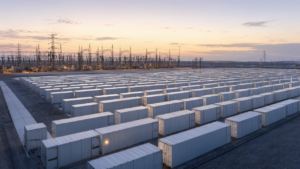
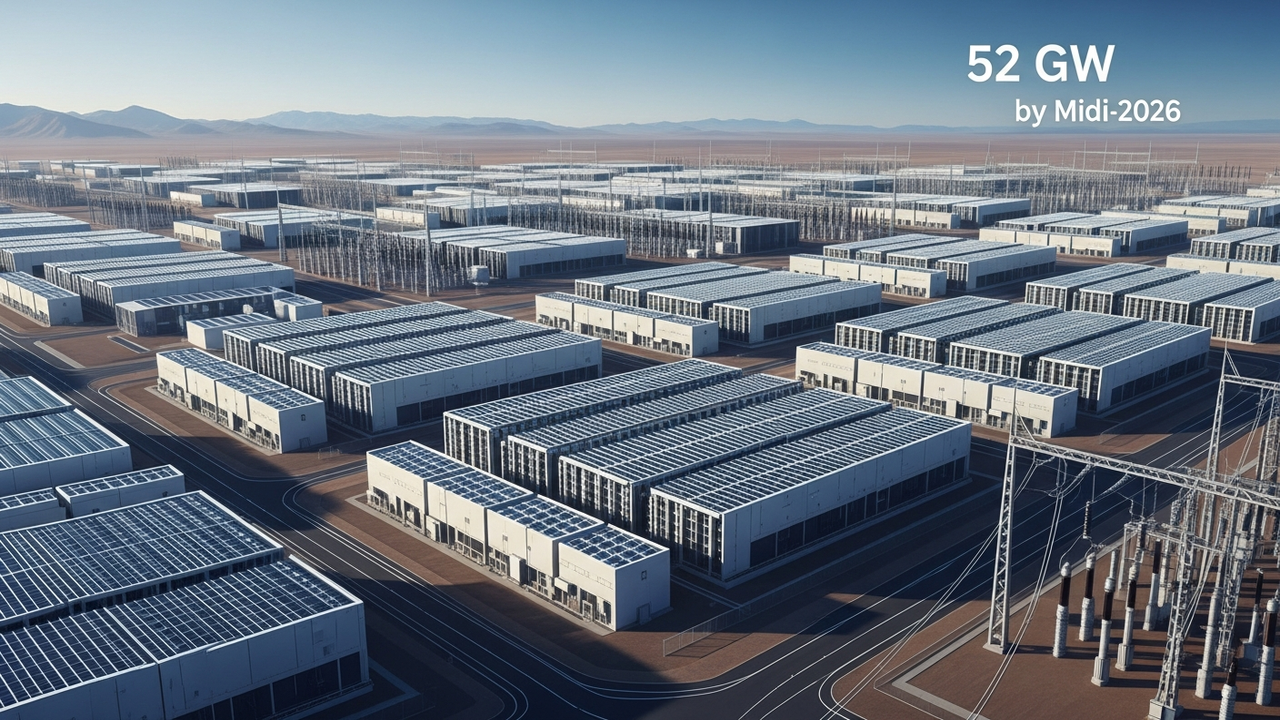
Grid-scale battery storage capacity in the United States has experienced remarkable growth, expanding at an average annual rate of 70% over the last three years to reach approximately 52 gigawatts (GW) by mid-2026. According to the U.S. Energy Information Administration (EIA), this trajectory is set to continue with an additional 54 GW of capacity planned for the next two and a half years, including 14 GW scheduled for deployment in the second half of 2026 alone.
Technical & Business Details
This explosive growth is largely driven by advances in lithium-ion battery technology, significant cost reductions, and supportive federal and state policies. These battery energy storage systems (BESS) are instrumental in storing electricity generated from intermittent renewable sources like solar and wind power, discharging it during periods of high demand or low renewable output. This operational flexibility helps to alleviate grid congestion, stabilize wholesale electricity prices, and reduce the reliance on fossil-fuel-fired peaker plants. A substantial portion of the planned new capacity is being developed as hybrid projects, co-located with new or existing solar photovoltaic (PV) facilities, enhancing the overall efficiency and dispatchability of renewable generation.
Background & Context
The U.S. electricity sector is undergoing a profound transformation aimed at decarbonization and enhancing energy resilience. As the share of renewable energy in the generation mix increases, the ability to store and dispatch electricity becomes paramount for maintaining grid reliability and stability. Battery storage solutions mitigate the variability of renewables, providing essential grid services such as frequency regulation, voltage support, and capacity firming. The sustained 70% annual growth rate underscores the strategic importance of this technology in modernizing the grid and enabling a smooth transition towards a cleaner energy future, addressing both environmental goals and grid operational challenges.
Strategic Significance & Outlook
The EIA’s projections indicate a continued robust expansion of the U.S. battery storage market for the foreseeable future. This growth is expected to further accelerate the retirement of less efficient, carbon-intensive power plants and improve the overall economics of renewable energy projects. Beyond short-duration applications, there is also increasing interest in long-duration energy storage (LDES) technologies to address multi-day grid needs, promising even greater flexibility. For developers, utilities, and technology providers, this burgeoning market presents significant opportunities for innovation and investment, ultimately contributing to a more sustainable, reliable, and cost-effective energy supply for American consumers.
Source: https://www.eia.gov/todayinenergy/detail.php?id=67925
Get our weekly technology intelligence — free
Receive an infographic that lets you judge at a glance whether each field’s analysis report is worth reading.
Subscribe Free — Weekly Tech Intelligence
By subscribing, you’ll receive Troy-Technical’s weekly technology intelligence newsletter.
- Your email and selected fields are used only to deliver the newsletter.
- We never share your information with third parties.
- You can unsubscribe anytime via the link in each email.
See our Privacy Policy for details.
Takes about a minute · Unsubscribe anytime