Key Findings
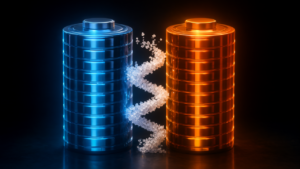
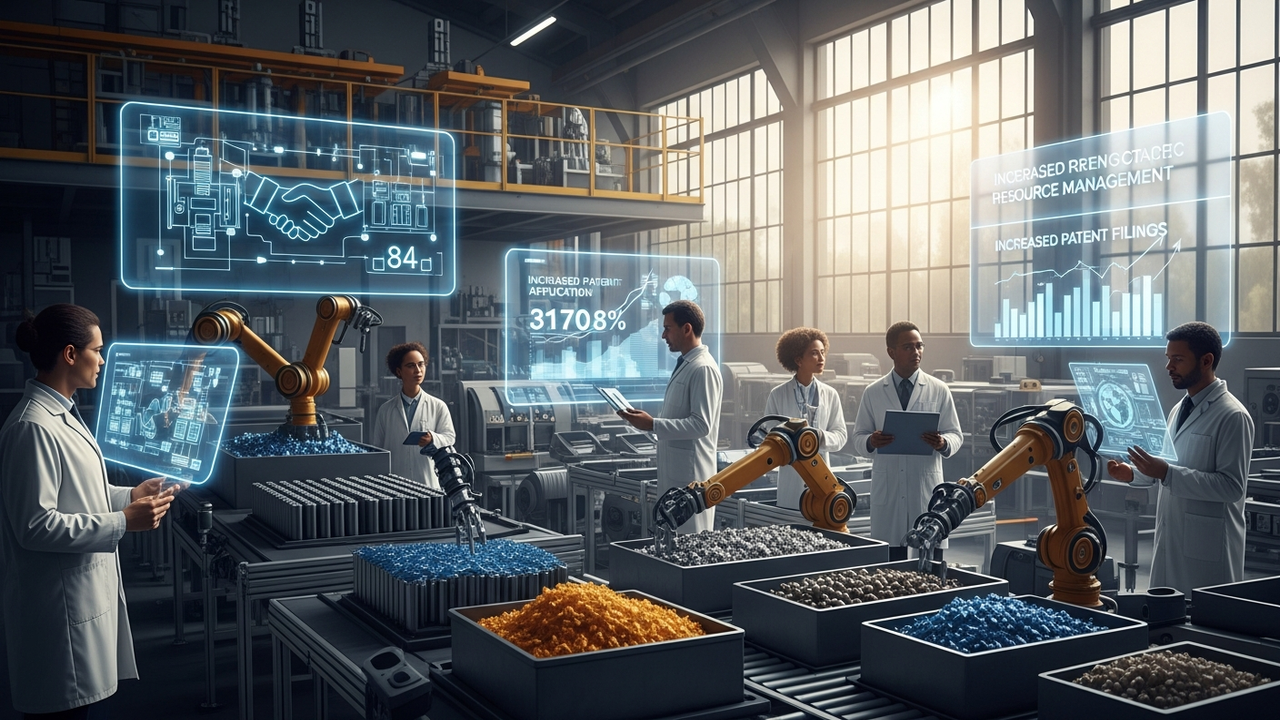
Under its Critical Raw Materials Act, the European Union (EU) has set an ambitious target to source at least 25% of its annual strategic raw material consumption from recycled materials by 2030. To achieve this, the EU is pursuing a strategy of enhanced cooperation with African nations, with battery recycling emerging as a central focus. Global interest in battery recycling technologies is escalating, evidenced by a 103% year-on-year increase in patent filings in this sector during 2026.
Policy and Industry Details
The EU’s Critical Raw Materials Act is designed to ensure the resilience of European industry and economy by diversifying sources of critical raw materials and reducing supply chain vulnerabilities. Recycling constitutes a key pillar of this supply security strategy. Africa, being a primary source for many critical mineral resources and possessing future potential for significant volumes of end-of-life batteries, presents a mutually beneficial partnership opportunity for the EU. The EU intends to support the development of recycling infrastructure in Africa and promote sustainable resource management, thereby aiding its own recycling target achievements.
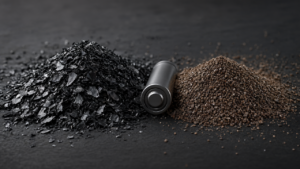
The substantial increase in patent filings in battery recycling clearly indicates an acceleration of technological innovation in this field. Technological developments are focused on establishing more efficient and environmentally friendly recycling processes, as well as improving the quality of recycled materials. While China currently holds global leadership in the number of patent applications, U.S. companies and European firms, such as Belgium-based Umicore, are also playing significant roles in the development and commercialization of advanced recycling technologies. Umicore, for instance, is strengthening its contribution to the circular economy by offering closed-loop battery material solutions.
Background and Industry Context
With the rapid proliferation of electric vehicles (EVs) and stationary energy storage systems, battery demand has increased exponentially. This growth has highlighted supply risks and price volatility for critical raw materials like lithium, cobalt, and nickel, essential for battery manufacturing. In this context, recycling has become an indispensable solution for reducing reliance on new raw material extraction and mitigating environmental impact. EU policy, central to the ‘European Green Deal’ which aims for a balance between economic growth and environmental protection, prioritizes enhancing resource autonomy as a strategic imperative.
Future Outlook
Strengthened cooperation between the EU and African nations is expected to serve as an important model for enhancing sustainability across the global battery value chain. The accelerated technological innovation, reflected in increased patent filings, will further boost the efficiency and economic viability of recycling technologies, making the 2030 recycling targets more achievable. This collaboration is poised to contribute not only to stabilizing raw material supplies but also to fostering industrial development and job creation in African regions, potentially evolving into mutually beneficial partnerships. Battery recycling will increasingly gain strategic importance as an indispensable component supporting the next-generation clean energy society.
Get our weekly technology intelligence — free
Receive an infographic that lets you judge at a glance whether each field’s analysis report is worth reading.
Subscribe Free — Weekly Tech Intelligence
By subscribing, you’ll receive Troy-Technical’s weekly technology intelligence newsletter.
- Your email and selected fields are used only to deliver the newsletter.
- We never share your information with third parties.
- You can unsubscribe anytime via the link in each email.
See our Privacy Policy for details.
Takes about a minute · Unsubscribe anytime