Key Findings
Digital twin technology is fundamentally transforming traditional, static manufacturing workflows into intelligent, data-driven ecosystems that monitor and analyze every stage, from design to operation, in real-time. Particularly in the bioprocess sector, this technology allows for process optimization in a virtual environment before application to physical bioreactors, thereby reducing risks, managing costs, improving sustainability, and enabling smarter decision-making.
Technical & Clinical Details
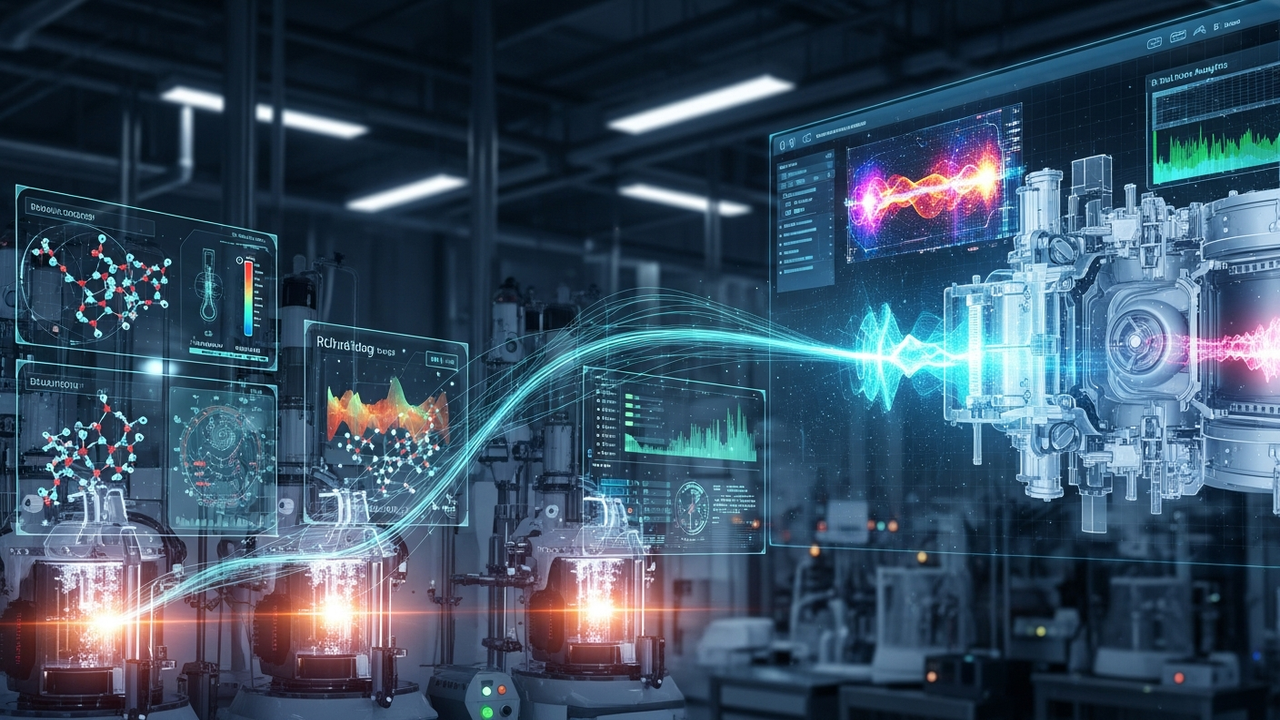
A digital twin is a virtual replica of a physical system, process, or product, integrating real-time data with advanced modeling and simulation capabilities. Bioprocess engineers can optimize processes on this digital twin through the following methods:
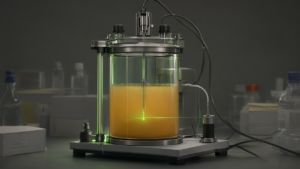
- Virtual Experimentation and Simulation: While experiments in physical bioreactors are time-consuming and costly, on a digital twin, thousands of parameters such as agitation speed, feed rates, aeration levels, temperature, and pH can be virtually adjusted to test different process configurations. This significantly reduces the number of trial-and-error cycles and allows for rapid identification of optimal operating conditions.
- Real-time Monitoring and Predictive Analytics: Sensor data collected from physical bioreactors (e.g., dissolved oxygen concentration, cell density, metabolite concentrations) are fed back to the digital twin in real-time. The digital twin leverages this data to accurately reflect the current state of the process and predict future behavior. This enables the identification of potential anomalies before they occur and facilitates proactive intervention.
- Process Control and Optimization: When combined with AI algorithms, the digital twin can automatically adjust process parameters and optimize them to achieve desired production goals (e.g., maximizing production yield, ensuring product quality consistency).
This approach is particularly effective in complex cell culture and fermentation processes within biopharmaceutical manufacturing. Digital twins play a crucial role in improving process scalability, reducing batch-to-batch variability, and ensuring the quality and safety of final products.
Background & Context
Biopharmaceutical manufacturing has always faced pressure for efficiency and optimization due to its complexity, stringent regulations, and high costs. Traditional process development largely relied on empirical, trial-and-error approaches, which were time-consuming, expensive, and limited in optimization scope. However, with the advent of Industry 4.0 concepts and advancements in digital technology, the adoption of digital twins is accelerating across the manufacturing sector. In the bioprocess field, particularly with the increasing demand for high-value products like cell and gene therapies and monoclonal antibodies, there is a strong call for smarter and more efficient manufacturing solutions. Digital twins respond to these demands and are positioned as the next frontier in biomanufacturing.
Strategic Significance & Outlook
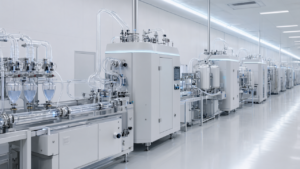
The application of digital twin technology in bioprocesses is expected to expand rapidly. This will further shorten new drug development cycles, reduce manufacturing costs, and improve the consistency of final product quality. In the future, digital twins may be integrated across not only the entire manufacturing process but also the entire supply chain and product lifecycle, leading to fully autonomous “smart factories.” This is expected to dramatically increase biopharmaceutical production capacity, enabling more patients to access advanced therapies. Furthermore, it will contribute to the development of sustainable manufacturing processes and reduce environmental impact.
Source: https://www.facebook.com/groups/401361550220652/posts/2875262612830521/
Get our weekly technology intelligence — free
Receive an infographic that lets you judge at a glance whether each field’s analysis report is worth reading.
Subscribe Free — Weekly Tech Intelligence
By subscribing, you’ll receive Troy-Technical’s weekly technology intelligence newsletter.
- Your email and selected fields are used only to deliver the newsletter.
- We never share your information with third parties.
- You can unsubscribe anytime via the link in each email.
See our Privacy Policy for details.
Takes about a minute · Unsubscribe anytime