Key Findings
Induced pluripotent stem cell (iPSC)-derived therapies are rapidly gaining traction as innovative and scalable treatment solutions across a wide range of disease areas, from regenerative medicine to oncology. Essential for their success is meeting Good Manufacturing Practice (GMP) standards and ensuring product consistency across large-scale manufacturing. Closed, automated cell culture systems are emerging as a pivotal technology to overcome these challenges and unlock the full potential of iPSC-based treatments.
Technical & Clinical Details
- Potential of iPSC Therapies: iPSCs hold immense promise due to their ability to differentiate into virtually any cell type, offering hope for previously intractable diseases such as Parkinson’s, heart disease, diabetes, and various cancers. The development of allogeneic (off-the-shelf) iPSC products further expands accessibility to a broader patient population compared to personalized autologous (patient-specific) therapies.
- Manufacturing Challenges: The complex cellular biology of iPSCs poses significant hurdles for large-scale, consistent, and GMP-compliant manufacturing. Key challenges include maintaining cell proliferation, controlled differentiation, stringent quality control, contamination prevention, and achieving cost-efficiency at scale.
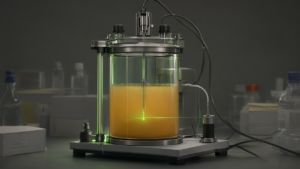
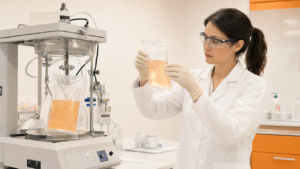
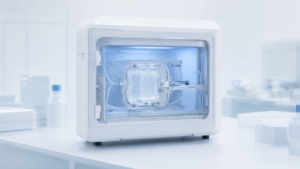
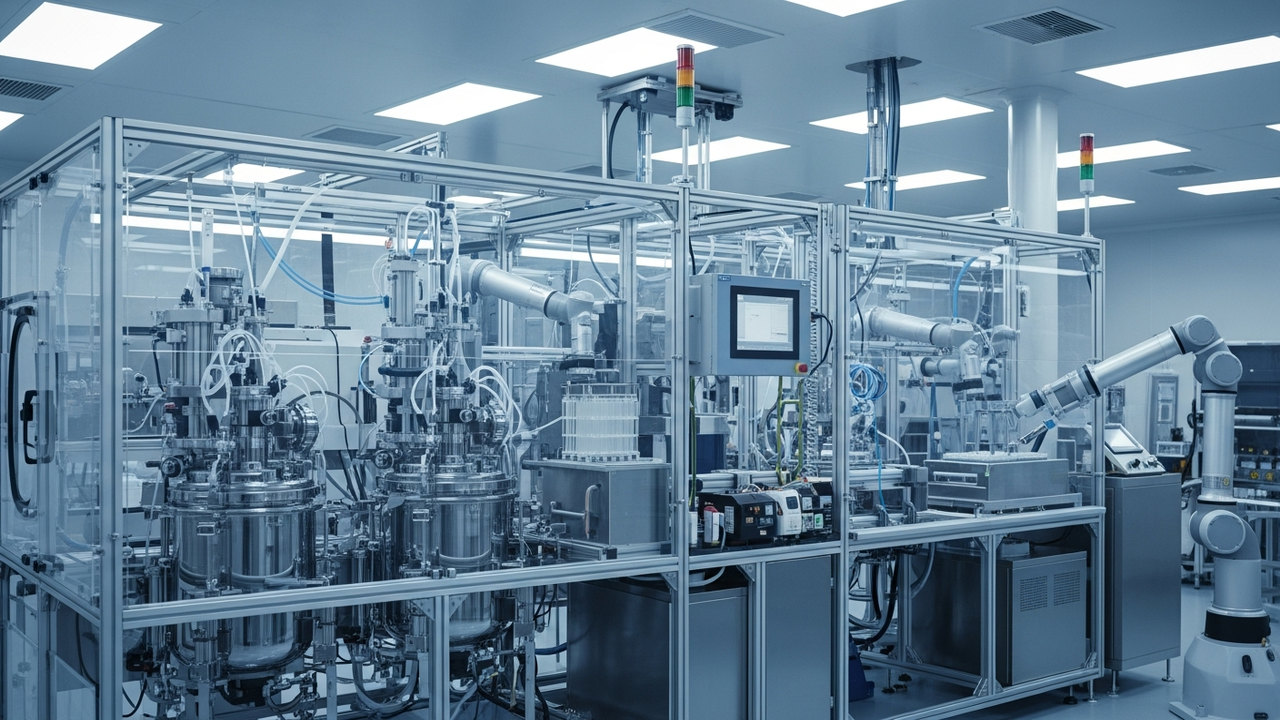
- Advantages of Closed, Automated Systems: Closed systems minimize the risk of external contamination, ensuring sterility throughout the manufacturing process. Automation reduces human error, significantly improving process reproducibility and overall efficiency. This standardization is critical for complex steps like iPSC culture, expansion, differentiation, and purification, ensuring consistent product quality for commercial-scale production.
Background & Industry Context
Across the entire cell therapy sector, manufacturing scalability and cost-effectiveness have consistently been central challenges. iPSC-derived therapies, with their inherent self-renewal capacity and pluripotency, offer significant potential to address these issues, but technological hurdles remain high. Traditional open, manual processes are labor-intensive, prone to batch-to-batch variability, and carry increased risks of contamination. Consequently, the biopharmaceutical industry is actively investing in process automation and closed-system technologies, recognizing these as indispensable steps for the successful commercialization of iPSC therapies.
Strategic Significance & Outlook
The widespread adoption of closed, automated cell culture systems is poised to dramatically improve the manufacturing efficiency and consistency of iPSC-derived therapies, ultimately leading to reduced treatment costs and expanded patient access. This technological shift is expected to accelerate the transition of iPSC therapies from laboratory research into widespread clinical application. The industry will increasingly be able to deliver groundbreaking regenerative medicine and cancer treatments to a larger number of patients. Continued technological innovation and close collaboration with regulatory bodies will be crucial factors in determining the commercial success and broad impact of iPSC therapies.
Source: https://www.contractpharma.com/exclusives/inside-the-rapid-rise-of-ipsc-based-therapies/
Get our weekly technology intelligence — free
Receive an infographic that lets you judge at a glance whether each field’s analysis report is worth reading.
Subscribe Free — Weekly Tech Intelligence
By subscribing, you’ll receive Troy-Technical’s weekly technology intelligence newsletter.
- Your email and selected fields are used only to deliver the newsletter.
- We never share your information with third parties.
- You can unsubscribe anytime via the link in each email.
See our Privacy Policy for details.
Takes about a minute · Unsubscribe anytime