Key Findings
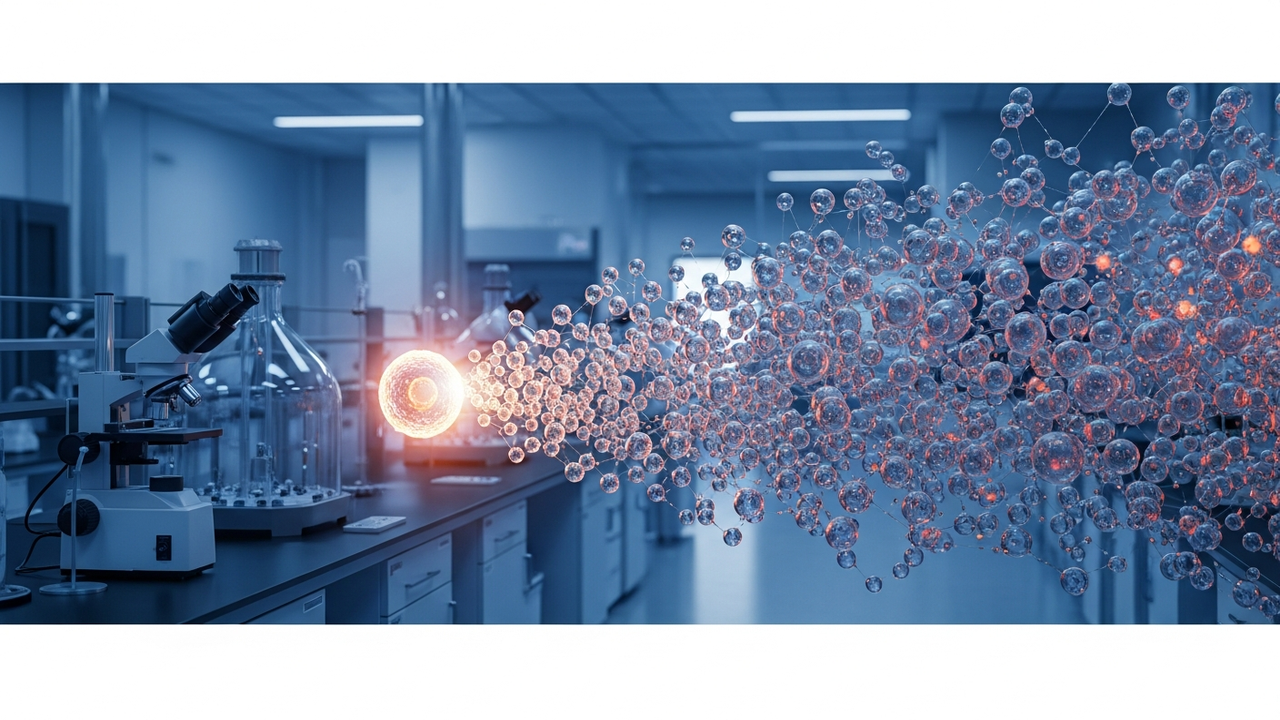
In February 2026, a team of Chinese scientists announced a groundbreaking technological development: the successful and efficient mass production of an astonishing 14 million natural killer (NK) immune cells from a single stem cell in a laboratory setting. This achievement represents a pivotal breakthrough for the commercial viability of cancer immunotherapy, particularly for NK cell-based treatments.
Technical & Clinical Details
- Mass Production Achieved: A major challenge in previous NK cell therapies has been the difficulty in producing sufficient quantities of high-quality NK cells at scale for therapeutic use. This research demonstrates the ability to efficiently amplify NK cells into millions from a single stem cell, overcoming this critical scaling barrier.
- Transition to ‘Off-the-Shelf’ Therapy: This technology significantly broadens the potential for NK cells to be offered as ‘off-the-shelf’ therapeutics. Compared to autologous therapies, which involve harvesting and culturing cells for each patient, off-the-shelf treatments reduce manufacturing costs, shorten waiting times for patients, and allow for rapid delivery to a larger patient population.
- Overcoming Traditional Challenges: Conventional NK cell isolation was fraught with difficulties, including securing donors, variability in cell counts, and lengthy culture periods. This new production technology substantially mitigates these challenges, enabling a more standardized and reproducible manufacturing process.
- Maintaining Cell Functionality: Crucially, the mass-produced NK cells are reported to retain their inherent anti-cancer activity. This success in efficiently generating functional NK cells is vital for their therapeutic application.
Background & Industry Context
Immunotherapy, especially cellular immunotherapy, is one of the most promising areas in cancer treatment. While CAR-T cell therapy has achieved success in blood cancers, its application to solid tumors remains challenging, and its high manufacturing costs and complexity necessitate safer, broader-spectrum alternatives. NK cells, as crucial components of the innate immune system that surveil and eliminate cancer cells, have garnered significant attention as strong candidates for next-generation immunotherapies. This is due to their potential for fewer side effects than CAR-T cells and their easier development as allogeneic (universal donor) products. However, manufacturing scalability has been a primary bottleneck.
Get our weekly technology intelligence — free
Receive an infographic that lets you judge at a glance whether each field’s analysis report is worth reading.
Subscribe Free — Weekly Tech Intelligence
By subscribing, you’ll receive Troy-Technical’s weekly technology intelligence newsletter.
- Your email and selected fields are used only to deliver the newsletter.
- We never share your information with third parties.
- You can unsubscribe anytime via the link in each email.
See our Privacy Policy for details.
Takes about a minute · Unsubscribe anytime