Key Findings
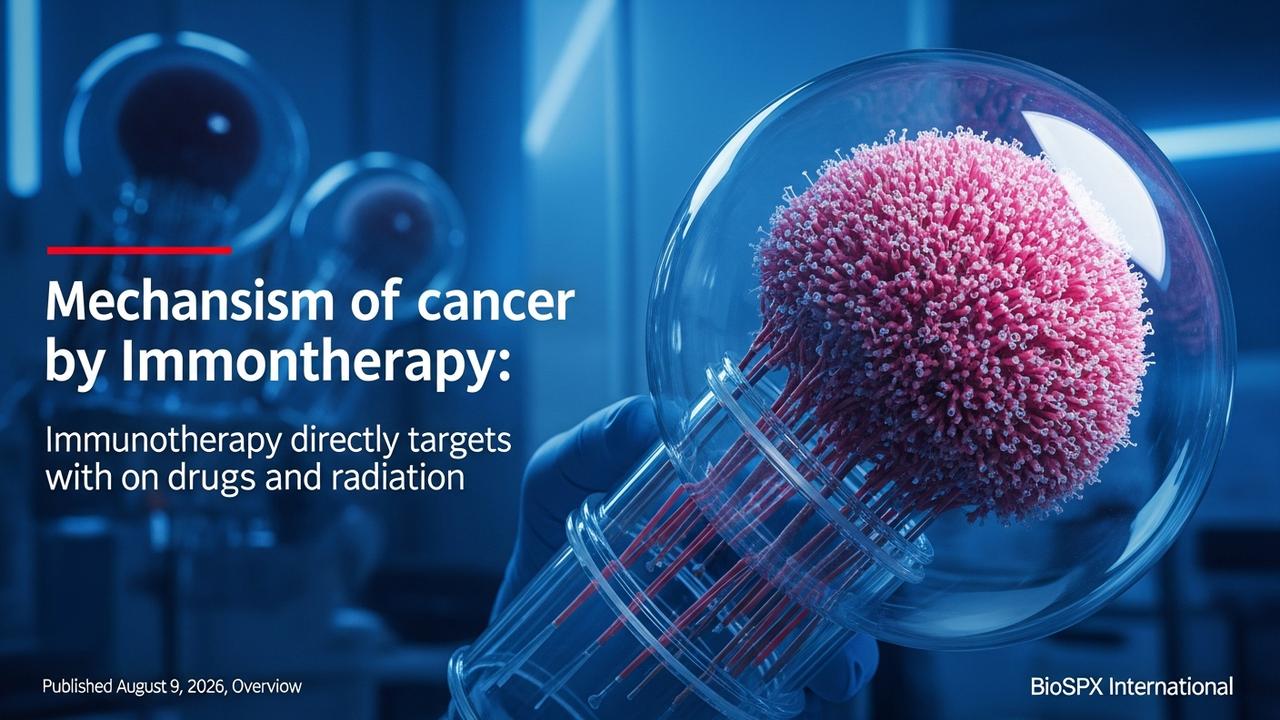
Immunotherapy represents a revolutionary approach to combating cancer, not by directly attacking tumor cells with drugs or radiation, but by harnessing and strengthening the patient’s own immune system to identify and eliminate malignant cells. In the advancement of this field, tumor organoids are emerging as invaluable research tools that more faithfully recapitulate the in vivo microenvironment compared to traditional 2D cell cultures. Moreover, bioreactor systems, essential for maintaining consistent culture conditions, are highlighted as critical for ensuring the reproducibility and viability of these complex models.
Technical & Clinical Details
- Mechanism of Immunotherapy: Immunotherapies, such as immune checkpoint inhibitors and CAR-T cell therapy, aim to restore or enhance the immune cells’ ability to recognize and attack cancer cells. This enables the body to mount a more robust and sustained immune response against malignancies.
- Advantages of Tumor Organoids: Tumor organoids are 3D cellular structures cultured from patient-derived tissues, retaining the genetic and pathological characteristics of the original tumor. They excel as platforms for drug screening, disease modeling, and personalized medicine because they can mimic complex intercellular interactions, extracellular matrix influences, and microenvironmental complexities that are difficult to replicate in 2D cell cultures.
- Studying Cancer Cell-Immune Component Interactions: By using tumor organoids, it becomes possible to study complex in vitro interactions—such as how immune cells recognize, infiltrate, and attack cancer cells—in greater detail. This yields crucial insights for predicting the efficacy of immunotherapies and deciphering mechanisms of resistance.
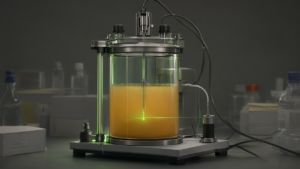
- Importance of Bioreactor Systems: Bioreactor systems are indispensable for maintaining the viability, function, and reproducibility of research results from complex 3D culture models like tumor organoids. Bioreactors enable precise and consistent control over culture conditions, including nutrient supply, waste removal, oxygenation, temperature, and pH. This minimizes experimental variability, leading to more reliable research data.
Background & Industry Context
While immunotherapy development is rapidly progressing in cancer treatment, predicting patient responses, understanding resistance mechanisms, and identifying new immunotherapy targets remain significant challenges. Traditional animal models and 2D culture models struggle to fully replicate the complexity of the human cancer immune system, creating a strong demand for more physiologically relevant in vitro models. Tumor organoids have emerged as promising tools to bridge this gap, and coupled with advancements in bioreactor technology, they are opening new frontiers in research.
Strategic Significance & Outlook
The integration of tumor organoids and bioreactor systems will accelerate immunotherapy research and development, contributing to the advancement of personalized cancer treatment strategies. This technology is expected to improve the success rate of new drug development and increase therapeutic options for patients. In the future, these models could enable pre-screening of optimal immunotherapies for individual patients, leading to the development of more effective treatments with fewer side effects. The combination with AI also holds the potential to further streamline the extraction of insights from complex data, driving even faster progress in the field.
Source: https://www.biospx.com/wikispx/how-does-immunotherapy-work-to-fight-cancer/
Get our weekly technology intelligence — free
Receive an infographic that lets you judge at a glance whether each field’s analysis report is worth reading.
Subscribe Free — Weekly Tech Intelligence
By subscribing, you’ll receive Troy-Technical’s weekly technology intelligence newsletter.
- Your email and selected fields are used only to deliver the newsletter.
- We never share your information with third parties.
- You can unsubscribe anytime via the link in each email.
See our Privacy Policy for details.
Takes about a minute · Unsubscribe anytime