Key Findings
A comprehensive review by researchers at Massachusetts General Hospital underscores the dual potential of extracellular vesicles (EVs) as powerful diagnostic biomarkers and innovative therapeutic tools in cardiovascular disease (CVD). The findings emphasize EVs’ role as essential mediators of intercellular signaling, carrying a diverse cargo of biomolecules that mirror vital processes like inflammation, tissue damage, and angiogenesis within the cardiovascular system. This highlights a novel pathway for both non-invasive diagnostics and targeted therapeutic interventions, particularly through stem cell-derived and engineered EVs.
Technical / Clinical Details
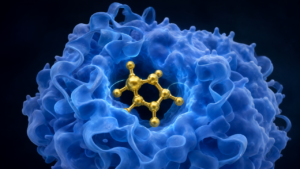
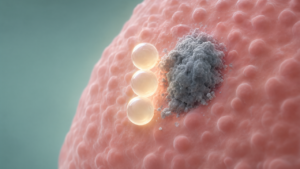
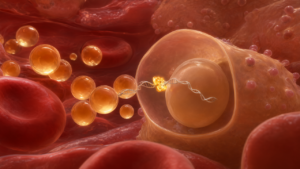
Extracellular vesicles are nanoscale lipid bilayer-enclosed particles, naturally released from cells, containing a rich assortment of proteins, lipids, and nucleic acids (e.g., miRNAs). These vesicles facilitate communication by transferring their contents to recipient cells, thereby influencing numerous physiological and pathological functions, including immune modulation, tissue repair, and vascular growth. In the context of CVD, EVs are being explored as liquid biopsy biomarkers, offering a non-invasive means for early detection, monitoring disease progression, and predicting treatment response. Furthermore, stem cell-derived EVs, known for their regenerative and immunomodulatory properties, are considered potent cell-free therapeutics for conditions such as myocardial infarction and ischemia-reperfusion injury. The ability to engineer EVs to carry specific therapeutic payloads represents a significant leap in targeted drug delivery, overcoming challenges associated with conventional systemic treatments by directing therapies specifically to cardiac tissues.
Background & Context
CVD remains a leading cause of mortality worldwide, necessitating advancements in diagnostic and therapeutic strategies. Existing methods often fall short in terms of specificity and efficacy. The burgeoning field of EV research sits at the intersection of cell biology and regenerative medicine, promising to address complex biological challenges like heart regeneration and vascularization without the direct transplantation of cells. However, practical challenges in EV isolation, characterization, standardization, and Good Manufacturing Practice (GMP) production persist, underscoring the need for rigorous scientific and regulatory development before widespread clinical adoption.Strategic Significance & Outlook
For EVs to transition successfully into clinical practice, concerted efforts are required to establish standardized protocols for their isolation, purification, and detailed characterization. Further elucidation of their precise biological functions in CVD pathophysiology is essential, alongside robust validation of their safety and efficacy through large-scale clinical trials. The development of stem cell-derived and engineered EV-based therapies holds immense promise for personalized medicine, potentially revolutionizing the treatment landscape for cardiovascular diseases by offering highly targeted and effective interventions.
Get our weekly technology intelligence — free
Receive an infographic that lets you judge at a glance whether each field’s analysis report is worth reading.
Subscribe Free — Weekly Tech Intelligence
By subscribing, you’ll receive Troy-Technical’s weekly technology intelligence newsletter.
- Your email and selected fields are used only to deliver the newsletter.
- We never share your information with third parties.
- You can unsubscribe anytime via the link in each email.
See our Privacy Policy for details.
Takes about a minute · Unsubscribe anytime