Background
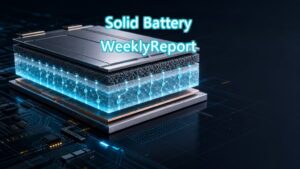
Solid-state batteries are widely regarded as a “game-changer” for accelerating electric vehicle (EV) adoption, sparking fierce competition among global automotive manufacturers and battery developers. Key factors enhancing EV attractiveness to consumers include extended range, faster charging times, and significantly reduced fire risk. Geely’s recent announcement highlights the increasing global leadership of Chinese companies in the development of cutting-edge solid-state battery technology. Introducing such high-cost solid-state battery technology first in premium brands is a strategic and rational approach, designed to rapidly establish technical reliability by meeting stringent performance demands.
Key Findings
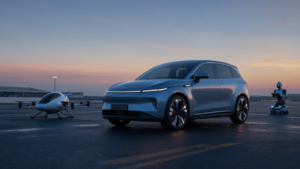
Chinese automotive conglomerate Geely has unveiled a groundbreaking next-generation solid-state battery, boasting an impressive energy density of up to 500 Wh/kg and an extraordinary lifespan of 621,000 miles (approximately 1 million kilometers). This innovative battery is scheduled to commence pilot testing in 2027 across Geely’s diverse portfolio of electric vehicle (EV) brands, which includes Zeekr, Lynk & Co, Volvo, Polestar, Lotus, and Smart. The technology has the potential to extend EV ranges beyond 621 miles (1,000 km) on a single charge, delivering performance comparable to or even surpassing that of traditional diesel vehicles. Furthermore, in a strategic materials development partnership, Dow Chemical is contributing stable adhesive solutions engineered for wide temperature ranges, thereby significantly bolstering the battery’s overall durability and reliability.
Technical Details
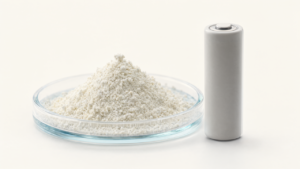
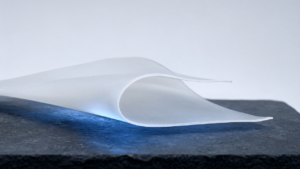
Geely’s novel solid-state battery dramatically enhances safety and energy density by completely eliminating the need for liquid electrolytes, thereby surpassing the performance benchmarks of existing lithium-ion battery technologies. The targeted 500 Wh/kg energy density is particularly significant as it facilitates both lighter weight and higher capacity in EVs, affording greater design flexibility for seamless vehicle integration. The projected million-kilometer lifespan will substantially reduce battery replacement frequency, consequently lowering the total lifecycle cost of electric vehicles. The collaboration with Dow Chemical is centered on developing crucial adhesive technology vital for stabilizing the interface between the solid electrolyte and electrodes, a critical factor for maintaining optimal battery performance across diverse environmental conditions. Real-world validation tests, which commenced in 2026, represent a pivotal phase in rigorously verifying the battery’s reliability and performance under actual driving scenarios.
Strategic Significance and Outlook
The scheduled commencement of pilot testing in 2027 marks a critical inflection point for Geely’s solid-state battery technology, signaling its progression towards practical, real-world implementation. Data gleaned from these actual driving tests will be indispensable for further battery optimization and refining manufacturing processes for eventual mass production. Should this high-energy-density, long-life solid-state battery be successfully integrated across a broad spectrum of EV models under the Geely conglomerate, the company’s competitive standing is expected to skyrocket, with significant ripple effects across the entire EV market. For researchers, achieving the 500 Wh/kg benchmark establishes a challenging new target, while for engineers, the material collaboration with Dow Chemical provides crucial insights into the design principles of next-generation battery materials. Investors, in turn, will closely monitor the long-term market value generation propelled by Geely’s technological innovation.
Source: https://www.carscoops.com/2026/08/geely-solid-state-batteries/
Get our weekly technology intelligence — free
Receive an infographic that lets you judge at a glance whether each field’s analysis report is worth reading.
Subscribe Free — Weekly Tech Intelligence
By subscribing, you’ll receive Troy-Technical’s weekly technology intelligence newsletter.
- Your email and selected fields are used only to deliver the newsletter.
- We never share your information with third parties.
- You can unsubscribe anytime via the link in each email.
See our Privacy Policy for details.
Takes about a minute · Unsubscribe anytime