Background
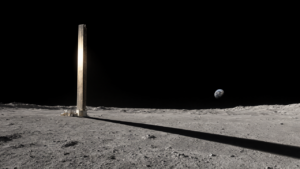
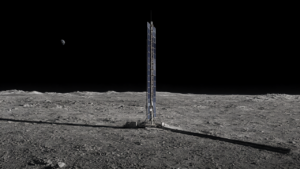
Lunar resource exploration and utilization are rapidly becoming central to global space agendas, driven by initiatives like the Artemis program involving various nations and commercial organizations. The confirmed presence of water ice at the lunar poles is paramount for In-Situ Resource Utilization (ISRU), a critical enabler for sustained human presence on the Moon. ESA’s substantial investment underscores Europe’s strong commitment to establishing a leading role in this burgeoning space economic frontier. This trend reflects a broader shift in space development, moving beyond purely national projects towards public-private partnerships and commercially driven ventures, with entities like Ispace accelerating high-risk, early-stage technology development en route to offering commercial services.
Key Findings
The European Space Agency (ESA) has awarded a significant €65 million contract to Ispace-Europe, a Luxembourg-based firm, to fund its lunar polar ice prospecting rover mission. This investment is crucial for advancing the development and demonstration of sustainable extraction technologies for water ice and helium-3, resources anticipated to be abundant in the Moon’s South Pole and vital for the future commercial utilization of lunar resources.
Technical Details
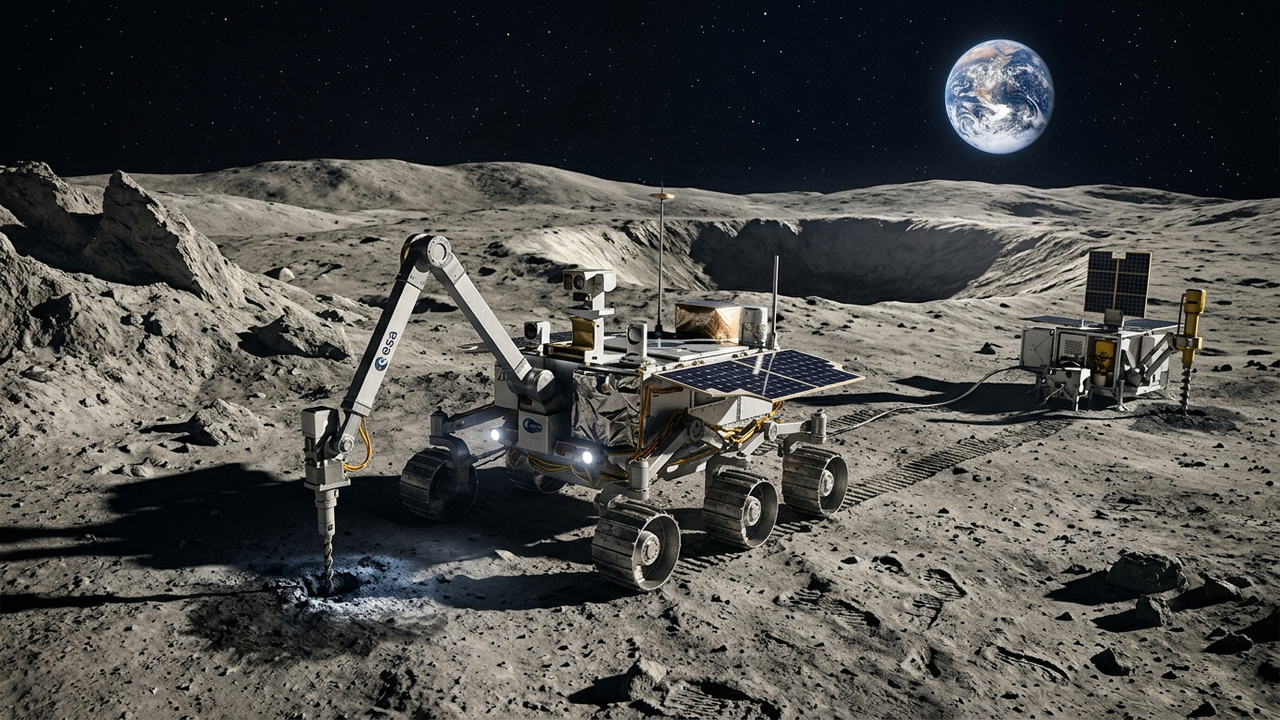
The mission will deploy a sophisticated lunar rover to the Moon’s South Pole, outfitted with advanced scientific instruments designed to analyze the abundance, distribution, and chemical composition of lunar ice. Water ice is a paramount resource for future lunar bases, providing essential life support (potable water, oxygen) and crucial rocket propellants (hydrogen and oxygen). Helium-3, a rare isotope on Earth, represents a substantial potential nuclear fusion fuel, making its efficient extraction technology transformative for future energy solutions. Ispace-Europe plans to integrate lessons from its parent company Ispace’s prior missions, including insights from the Hakuto-R Mission 1 landing anomaly, to refine and test upgraded lunar material collection technologies. These advancements will be deployed on the Hakuto-R Mission 2, slated for early 2025, aiming to improve the rover’s efficiency in collecting and either analyzing resources in situ or returning samples. Concurrently, Ispace is deepening its collaboration with the Japan Aerospace Exploration Agency (JAXA) to broaden the scope of future lunar lander tests, thereby strengthening the foundation for reliable lunar cargo transport capabilities.
Strategic Significance
Ispace-Europe’s ESA-supported lunar polar ice prospecting mission is positioned as a critical litmus test for the viability of sustainable resource utilization on the lunar surface. The scientific data and technological advancements stemming from this mission will offer invaluable insights for future lunar base development, crewed lunar expeditions, and even long-term preparations for Martian exploration. Successful establishment of water ice and helium-3 extraction technologies could integrate the Moon into Earth’s economic sphere, positioning it as a new pillar of the nascent space economy. Furthermore, Ispace’s continued efforts and strengthened partnership with JAXA are set to significantly enhance lunar cargo transport capabilities, laying a robust foundation for an expanded range of future lunar missions. This initiative marks a pivotal moment, transforming the Moon from an object of purely scientific curiosity into a dynamic arena for economic activity.
Get our weekly technology intelligence — free
Receive an infographic that lets you judge at a glance whether each field’s analysis report is worth reading.
Subscribe Free — Weekly Tech Intelligence
By subscribing, you’ll receive Troy-Technical’s weekly technology intelligence newsletter.
- Your email and selected fields are used only to deliver the newsletter.
- We never share your information with third parties.
- You can unsubscribe anytime via the link in each email.
See our Privacy Policy for details.
Takes about a minute · Unsubscribe anytime