Key Findings
Transcell Biologics and Space Cargo Unlimited have forged a strategic alliance to explore how microgravity research in orbit can significantly enhance the drug and vaccine development pipeline. This pioneering partnership aims to address preclinical development challenges by leveraging the unique environment of space, potentially leading to more efficient and reliable outcomes while reducing dependency on animal testing.
Technical / Clinical Details
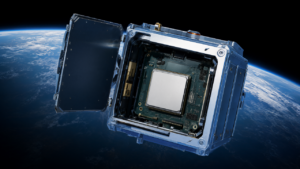
This collaboration will integrate Transcell Biologics’ advanced expertise in human cell-based research and Artificial Intelligence (AI) with Space Cargo Unlimited’s commercial microgravity research platform. Specifically, human cell-based disease models (HMPS models) developed by Transcell Biologics will be launched into space aboard a spacecraft. In orbit, the responses of drugs and vaccines will be meticulously observed under microgravity conditions. Microgravity is known to influence biological processes such as cell growth, differentiation, gene expression, and even pathogen proliferation differently than on Earth. The two companies will investigate whether these unique conditions can generate more predictive data concerning the safety and efficacy of therapeutics, including drug toxicity, pharmacological effects, and immune responses. This approach is expected to allow for more accurate assessment of human physiological reactions, which are difficult to replicate in animal models, thereby accelerating the drug discovery process.
Background & Context
Drug development has long been plagued by lengthy lead times and high failure rates, with particular challenges noted in the ethical aspects of animal testing in preclinical trials and the fact that animal results do not always translate to humans. In recent years, the microgravity environment has gained attention for its potential to yield new insights across various fields, including cell culture, protein crystallization, and biomedical research. Space Cargo Unlimited provides a platform for the commercial utilization of the space environment, and its partnership with Transcell Biologics is set to open new frontiers in space biology and drug discovery research. This collaboration serves as a concrete example of how space-based R&D can deliver direct benefits to terrestrial science and industry, symbolizing the expansion of the space economy.
Strategic Significance & Outlook
This strategic alliance holds the potential to revolutionize the drug development process. If preclinical testing using human cell models in microgravity proves successful, it could significantly reduce the time and cost associated with developing new drugs and vaccines, while also enabling faster delivery of safer and more effective therapies to patients. Furthermore, it addresses the ethical imperative to reduce reliance on animal testing. Both companies are expected to expand their commercial services in space-based biomanufacturing and biopharmaceutical research, leveraging the data acquired through this research, and contributing to advancements in life sciences both in space and on Earth. This initiative suggests that space is poised to become a novel platform contributing to human health and well-being.
Get our weekly technology intelligence — free
Receive an infographic that lets you judge at a glance whether each field’s analysis report is worth reading.
Subscribe Free — Weekly Tech Intelligence
By subscribing, you’ll receive Troy-Technical’s weekly technology intelligence newsletter.
- Your email and selected fields are used only to deliver the newsletter.
- We never share your information with third parties.
- You can unsubscribe anytime via the link in each email.
See our Privacy Policy for details.
Takes about a minute · Unsubscribe anytime