Key Findings
BioPACIFIC MIP, a National Science Foundation (NSF)-funded national user facility co-led by the University of California, Santa Barbara (UCSB) and the University of California, Los Angeles (UCLA), has secured renewed funding. This renewal ensures the continued advancement of research and development in bio-derived and bio-inspired materials, while expanding access to specialized synthesis and characterization equipment for researchers across the United States.
Technical / Clinical Details
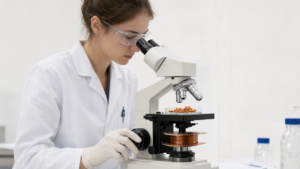
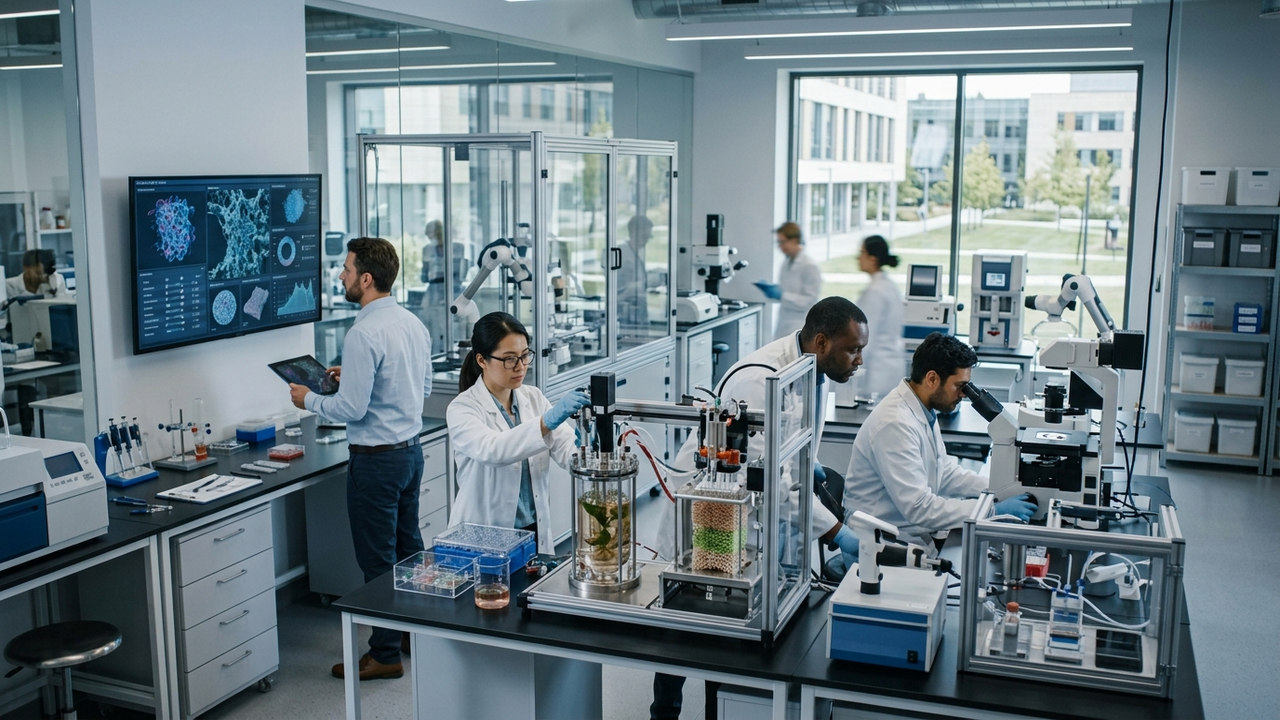
BioPACIFIC MIP is dedicated to designing, synthesizing, and characterizing materials inspired by biological mechanisms and structures, leading to novel functionalities. With the renewed funding, researchers can pursue the development of next-generation materials such as self-healing polymers, highly biocompatible medical materials, and environmentally friendly bioplastics. The facility’s advanced instrumentation includes electron microscopes for nanoscale structural analysis, robotic platforms for molecular-level synthesis, and precision equipment for measuring physical and chemical material properties, catering to diverse research needs across various disciplines. This allows for rapid prototyping and detailed analysis of complex material systems, moving beyond conventional synthetic routes.
Background & Context
The increasing emphasis on sustainability and environmental consciousness has driven a growing demand for bio-derived materials as alternatives to petroleum-based counterparts. Collaborative research facilities like BioPACIFIC MIP are vital in democratizing access to expensive, specialized equipment, providing a platform for researchers from academia, industry, and government agencies to collaborate on these critical challenges. The NSF funding is instrumental in maintaining America’s competitive edge in materials science and supporting national scientific and technological priorities, especially in areas with significant societal impact.
Strategic Significance & Outlook
The renewal of this facility is expected to accelerate discoveries in bio-derived materials, fostering the creation of new industries and transforming existing ones. Specifically, the ability to develop high-performance materials from renewable resources will have a profound impact across numerous strategic sectors, including clean energy, medicine, consumer goods, and aerospace. BioPACIFIC MIP will continue to support cutting-edge research, contributing to global challenges through innovative material solutions. Furthermore, it will strengthen inter-institutional collaborations and promote interdisciplinary approaches, serving as a pivotal hub for advanced materials research in the U.S. and beyond.
Source: https://www.ece.ucsb.edu/news/all/2026/ece-faculty-national-cloud-lab-advanced-materials
Get our weekly technology intelligence — free
Receive an infographic that lets you judge at a glance whether each field’s analysis report is worth reading.
Subscribe Free — Weekly Tech Intelligence
By subscribing, you’ll receive Troy-Technical’s weekly technology intelligence newsletter.
- Your email and selected fields are used only to deliver the newsletter.
- We never share your information with third parties.
- You can unsubscribe anytime via the link in each email.
See our Privacy Policy for details.
Takes about a minute · Unsubscribe anytime