Key Findings
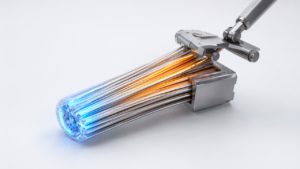
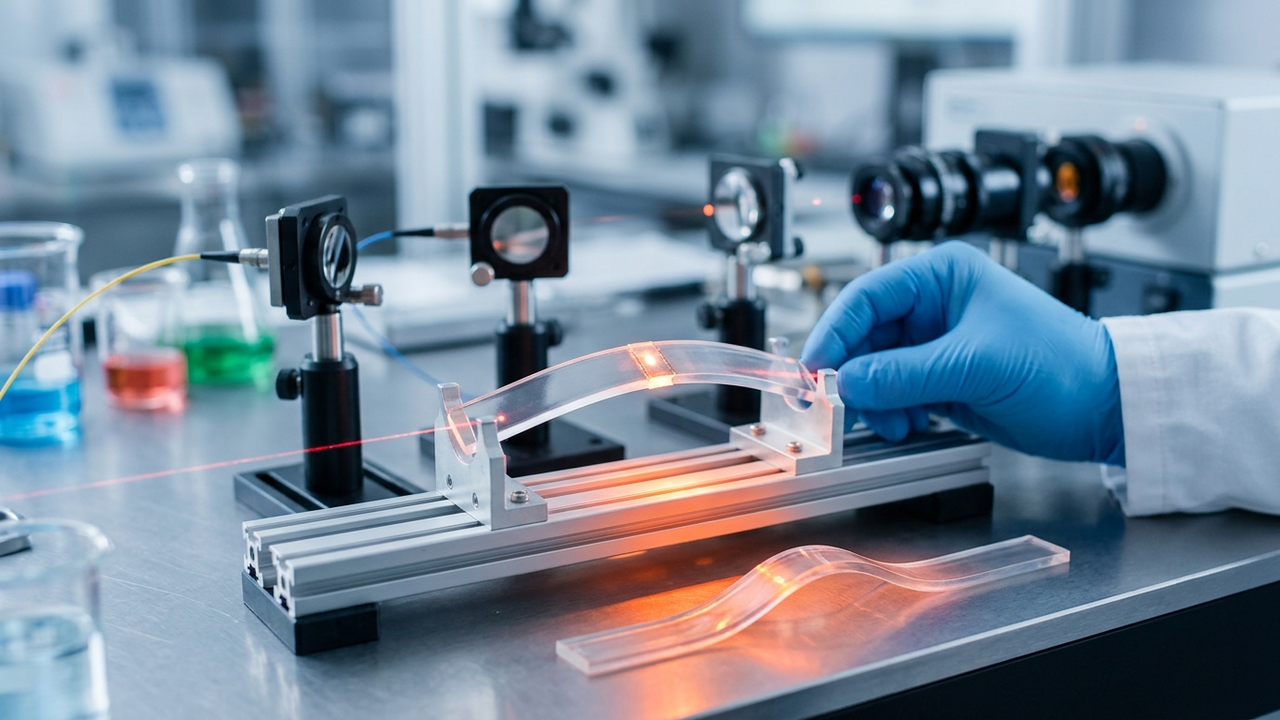
Researchers have successfully developed novel hierarchical dynamic supramolecular polyurethanes (HCn-SPMUs) that exhibit robust thermo-shape memory alongside a synergistic ‘tandem photothermal’ self-healing mechanism. This multifunctional elastomer opens up groundbreaking applications in the field of reconfigurable flexible photonics, enabling non-destructive optical information storage through fluorescence pattern modulation combined with 3D encoding via its shape memory capabilities.
Technical / Clinical Details
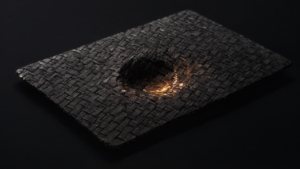
The HCn-SPMUs combine both supramolecular interactions and dynamic covalent bonds, allowing them to maintain a stable shape at room temperature while reverting to a pre-programmed original shape upon heating to a specific temperature. Furthermore, the most innovative aspect of this material is its self-healing capability. The ‘tandem photothermal’ mechanism leverages both light and thermal energy to efficiently repair damage sustained by the material. For instance, simultaneous UV irradiation and heat application facilitate the re-establishment of molecular crosslinks in damaged areas, restoring the material’s integrity and function. This significantly extends material lifespan and contributes to waste reduction. For flexible photonics applications, specific fluorescent dyes are incorporated into the material. By combining shape changes with fluorescence modulation, information can be encoded as optical signals in 3D space, which can then be non-destructively read out or reconfigured as needed, paving the way for advanced optical data management.
Background & Context
Modern society demands flexible and durable electronic devices, sensors, and information storage solutions. However, conventional materials are often vulnerable to physical damage and require replacement once compromised. Self-healing materials have emerged as a promising approach to address this challenge, but achieving a balance between robust mechanical strength and efficient healing capability has been difficult. HCn-SPMUs bridge this gap by offering both strong mechanical properties and advanced self-healing functions. Additionally, reconfigurable photonics opens new possibilities in optical communication, displays, and security applications, areas where dynamic and adaptable optical elements are highly desirable.
Strategic Significance & Outlook
The development of these HCn-SPMUs has the potential to revolutionize fields such as wearable electronics, flexible displays, smart sensors, and high-density information storage devices. Specifically, the self-healing capability enhances product reliability and sustainability, while the shape memory function enables the design of dynamic interfaces and actuators. Future research aims to integrate these materials into more complex information storage and processing systems, and potentially apply them as skins for bio-inspired robots. This research indicates a new direction in functional material design and is expected to become a foundational technology supporting future smart societies, driving innovations that merge resilience with responsiveness.
Get our weekly technology intelligence — free
Receive an infographic that lets you judge at a glance whether each field’s analysis report is worth reading.
Subscribe Free — Weekly Tech Intelligence
By subscribing, you’ll receive Troy-Technical’s weekly technology intelligence newsletter.
- Your email and selected fields are used only to deliver the newsletter.
- We never share your information with third parties.
- You can unsubscribe anytime via the link in each email.
See our Privacy Policy for details.
Takes about a minute · Unsubscribe anytime