Key Findings
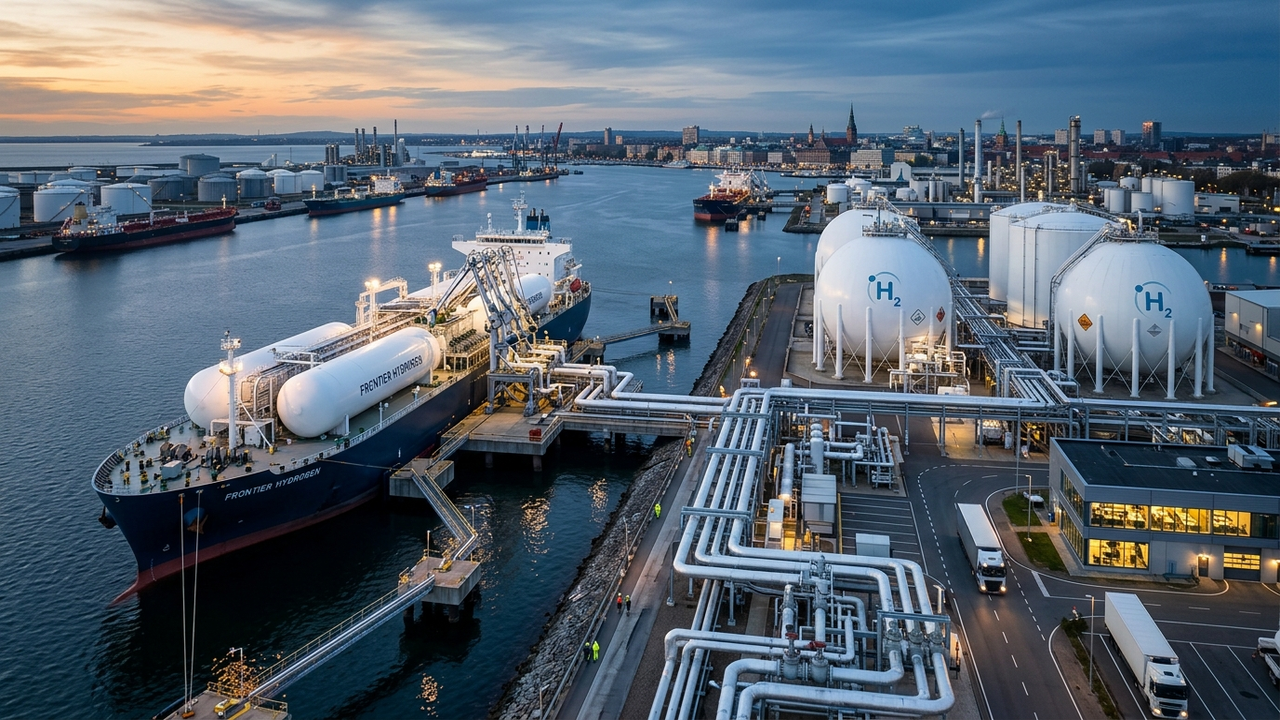
The liquid hydrogen storage market is making a significant transition to commercial scale in 2026, marking a crucial milestone in the global pursuit of a hydrogen economy. This shift is predominantly driven by concrete, large-scale projects such as Kawasaki Heavy Industries’ initiation of the world’s first commercial-scale liquefied hydrogen import terminal in Ogishima, Japan, and the recent contract for a 40,000 m³ liquefied hydrogen carrier vessel.
Technical / Clinical Details
Storing and transporting liquid hydrogen requires specialized, highly insulated cryogenic technologies, as hydrogen liquefies at an extremely low temperature of -253°C. Kawasaki Heavy Industries’ terminal in Ogishima, Japan, is designed to efficiently receive, store, and regasify substantial volumes of liquid hydrogen, deploying cutting-edge cryogenic engineering. The new 40,000 m³ liquid hydrogen carrier vessel represents a significant increase in capacity from earlier prototypes like the ‘Suiso Frontier,’ enabling more efficient long-distance, high-volume transport. In Europe, a strategic alliance between Daimler Truck, HHLA, and Kawasaki is actively developing a liquid hydrogen supply chain, from port terminals to end-users, aimed at decarbonizing heavy-duty transport in the region.
Background & Context
As global decarbonization efforts intensify, hydrogen is increasingly recognized as a vital clean energy carrier. Liquid hydrogen, with its higher energy density per unit volume compared to compressed gaseous hydrogen, is particularly suitable for efficient bulk and long-distance transportation, making it a cornerstone for establishing international hydrogen supply chains. Governments and key industries worldwide are accelerating investments across the entire hydrogen value chain—from production and storage to transport and end-use. The progression of these commercial-scale projects demonstrates that hydrogen energy is moving from the research and development phase into practical, large-scale deployment.
Strategic Significance & Outlook
The commercialization of the liquid hydrogen storage market is an indispensable step towards hydrogen becoming a primary global energy source, displacing fossil fuels. This development is expected to lead to reduced production costs, enhanced supply chain efficiencies, and lower end-user costs for hydrogen. Moving forward, increased investment in liquid hydrogen technologies and infrastructure by more nations and corporations will likely accelerate the establishment of robust global hydrogen trade routes. The widespread adoption of liquid hydrogen is projected to contribute substantially to CO2 emissions reduction across various sectors, including industry, transportation, and power generation, playing a critical role in achieving a sustainable global society.
Source: https://www.nextmsc.com/blogs/liquid-hydrogen-storage-market-hits-commercial-scale-in-2026
Get our weekly technology intelligence — free
Receive an infographic that lets you judge at a glance whether each field’s analysis report is worth reading.
Subscribe Free — Weekly Tech Intelligence
By subscribing, you’ll receive Troy-Technical’s weekly technology intelligence newsletter.
- Your email and selected fields are used only to deliver the newsletter.
- We never share your information with third parties.
- You can unsubscribe anytime via the link in each email.
See our Privacy Policy for details.
Takes about a minute · Unsubscribe anytime