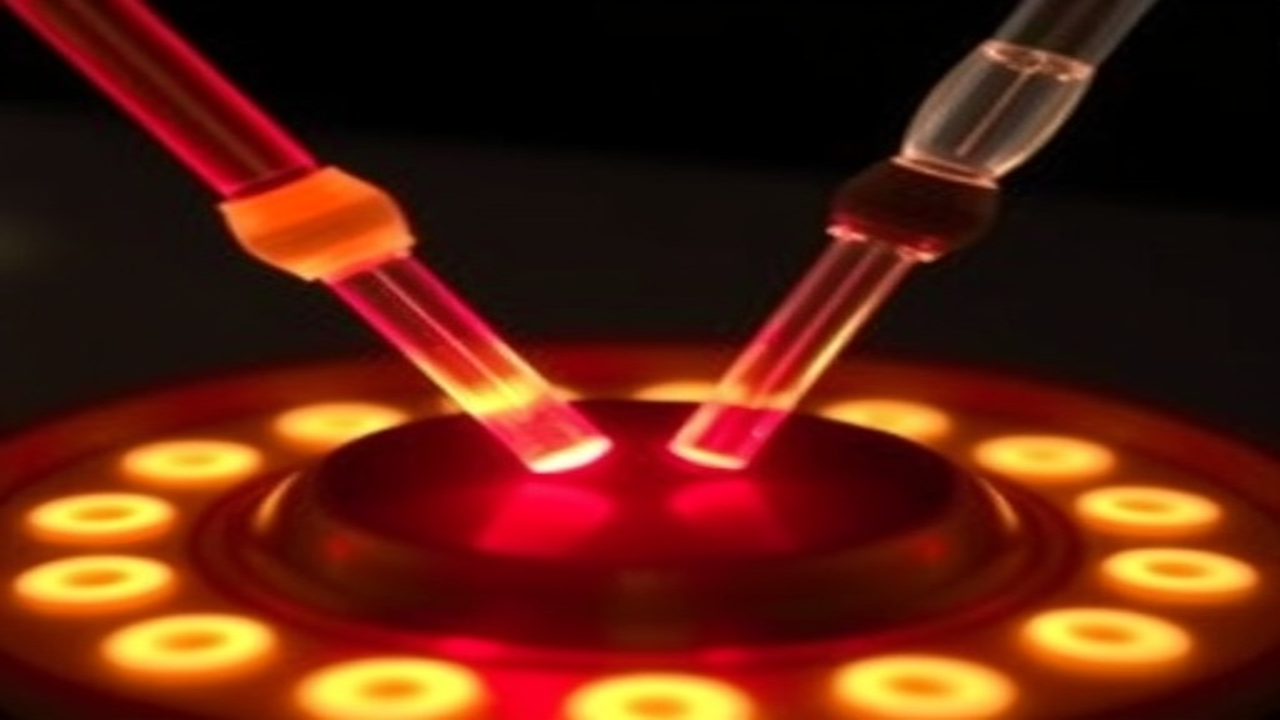
Background: Potential and Challenges of Cell-Free Biosensing
Cell-free biosensing systems offer significant potential for on-site diagnostics and monitoring due to their advantages of high stability, modularity, and rapid response times, as they do not use living cells. However, for their widespread application, it has been essential to develop more robust and programmable platforms capable of highly sensitive and specific detection of trace target molecules. In particular, technologies were needed to maximize detection sensitivity while maintaining low background noise.
Innovativeness of the T7 RNAP Toolbox
The T7 RNA Polymerase (RNAP) toolbox, highlighted in this article, represents a significant advancement in cell-free biosensing engineering. T7 RNAP is an enzyme that efficiently transcribes specific DNA sequences into RNA, and its high activity and specificity are leveraged in sensing systems. Using this toolbox, researchers can program transcriptional outputs that precisely respond to various molecular signals, such as metabolites, toxins, and pathogen-specific nucleic acids. For example, a system can be designed to produce a specific fluorescent RNA molecule only when specific pathogen DNA is present.
Ultrasensitive Detection and Application Prospects
A key feature of the T7 RNAP toolbox is its ability to achieve ultrasensitive detection thresholds while maintaining low background noise. This means it can capture minute signal changes with minimal interference, enabling the detection of even very trace amounts of target molecules. This capability holds the potential to address urgent needs in fields requiring high sensitivity and rapid detection, such as environmental safety monitoring (e.g., detection of heavy metals or toxins in water), food quality assurance (e.g., detection of pathogens or allergens in food), and Point-of-Care Testing (POCT) (e.g., rapid diagnosis of infectious diseases). This advancement is expected to accelerate the development of cheaper, faster, and more user-friendly diagnostic tools, contributing significantly to public health and industrial safety.
Source: https://bioengineer.org/t7-rnap-toolbox-advances-cell-free-biosensing-engineering/


Comments