Key Findings
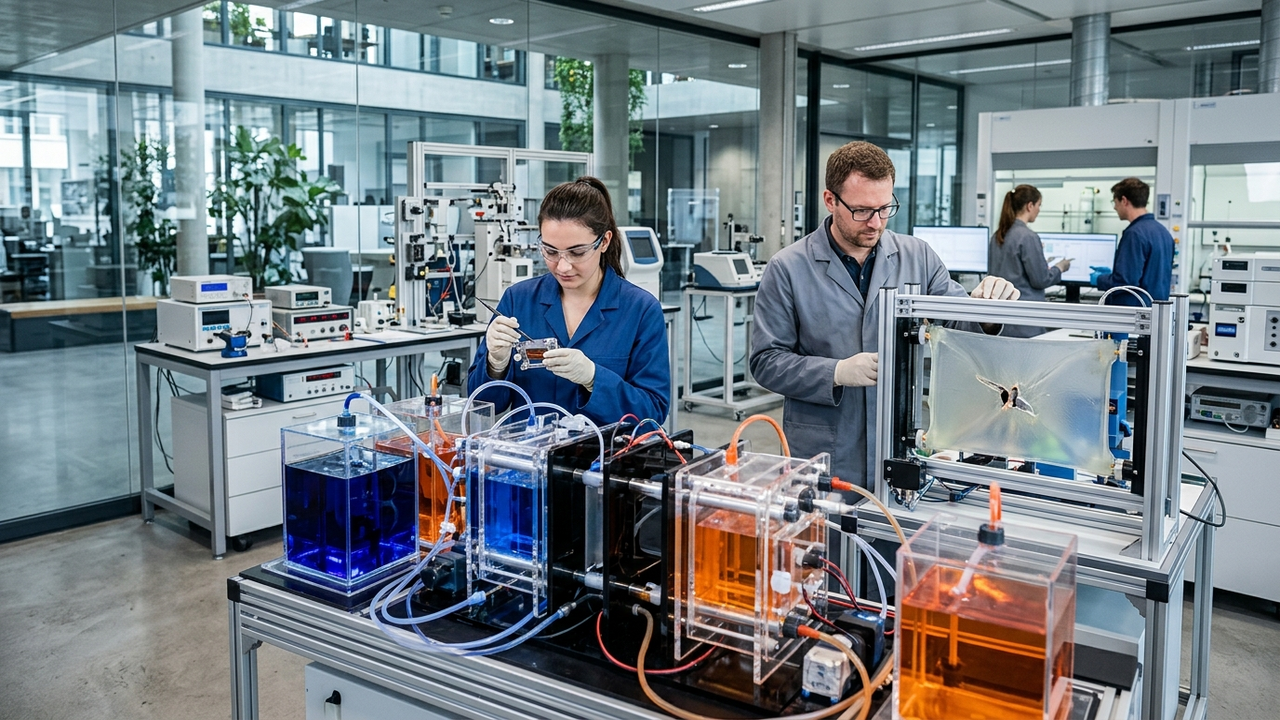
The Helmholtz Institute for Polymers in Energy Applications Jena (HIPOLE Jena) is spearheading transformative research in polymer redox flow batteries, polymer-based thin-film batteries, and functional self-healing materials, shaping the future of energy storage and conversion technologies. Their work specifically aims to significantly enhance the durability and efficiency of battery systems.
Technical / Clinical Details
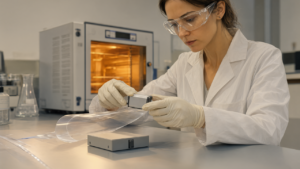
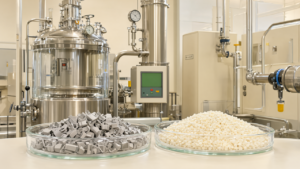
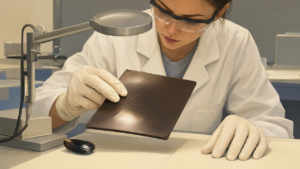
HIPOLE Jena’s research addresses specific technical challenges. For polymer redox flow batteries, the goal is to develop higher efficiency and longer-lasting electrolyte materials. For polymer-based thin-film batteries, novel polymer structures are being designed to combine high energy density with flexibility. Most notably, their work on functional self-healing materials focuses on developing technologies that automatically restore electrical conductivity in battery electrodes after physical damage. This is critically important for extending battery lifespan and improving safety. Furthermore, in the field of perovskite solar cells, where stability against humidity and heat remains a challenge, HIPOLE Jena has successfully utilized polymers as integral components to dramatically improve this stability, potentially accelerating the commercialization of perovskite solar cells.
Background & Context
With the expanding adoption of renewable energy, there is a global surge in demand for highly efficient and safe energy storage systems. Traditional battery technologies face limitations in lifespan, safety, and environmental impact, particularly for large-scale energy storage, necessitating new solutions. Polymer materials, due to their versatile properties and processability, are gaining attention as key components for next-generation batteries and solar cells. Materials with self-healing capabilities hold the promise of improving system reliability and reducing maintenance costs.
Strategic Significance & Outlook
The research outcomes from HIPOLE Jena are poised to significantly broaden the scope of polymer material applications in the energy sector. Self-healing battery electrodes will dramatically improve the reliability of electric vehicles and stationary energy storage systems, reducing downtime due to failures. Moreover, polymer-stabilized perovskite solar cells will enable high-efficiency solar power generation at a lower cost, accelerating the deployment of renewable energy. These technologies are expected to make substantial contributions towards achieving a sustainable society.
Source: https://www.hipole-jena.de/en/
Get our weekly technology intelligence — free
Receive an infographic that lets you judge at a glance whether each field’s analysis report is worth reading.
Subscribe Free — Weekly Tech Intelligence
By subscribing, you’ll receive Troy-Technical’s weekly technology intelligence newsletter.
- Your email and selected fields are used only to deliver the newsletter.
- We never share your information with third parties.
- You can unsubscribe anytime via the link in each email.
See our Privacy Policy for details.
Takes about a minute · Unsubscribe anytime