Key Findings
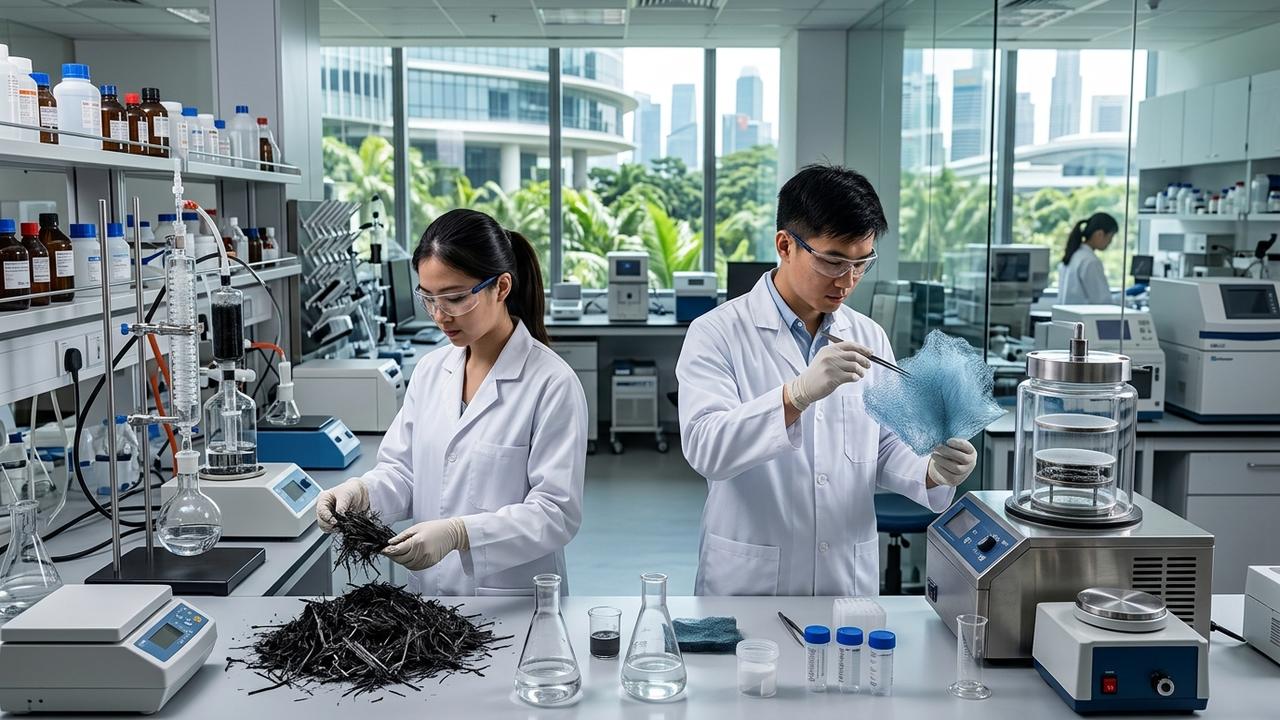
Researchers at the National University of Singapore (NUS) have developed an innovative recycling method that transforms high-value carbon fiber reinforced epoxy composite (CFRP) waste into lightweight aerogels, suitable for diverse applications including thermal insulation, sound absorption, and even oil spill cleanup. This achievement represents a major breakthrough in addressing composite material waste issues and promoting resource efficiency.
Technical / Clinical Details
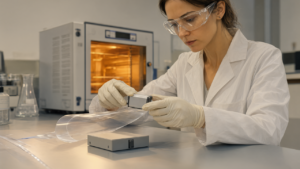
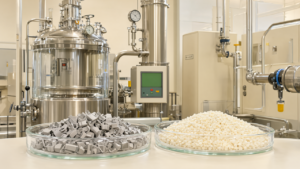
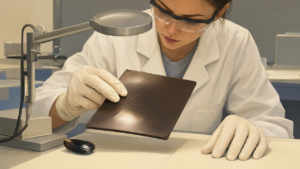
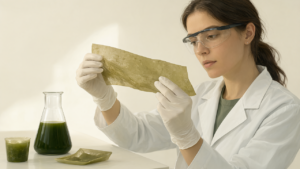
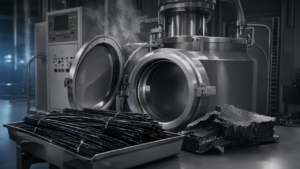
The recycling process developed by the NUS research team first involves pulverizing discarded CFRP, thereby efficiently utilizing both the carbon fiber and epoxy resin components. This fine powder is then mixed with a cellulosic binder, and subsequently, a specialized freeze-drying process forms a highly porous, extremely lightweight aerogel structure. Due to its unique nanoporous architecture, this aerogel exhibits excellent thermal insulation and sound absorption properties. Furthermore, its combined hydrophobic and oleophilic characteristics have been confirmed to efficiently adsorb and remove oil spills from water bodies. While conventional CFRP recycling methods primarily focused on carbon fiber recovery, often discarding the epoxy resin matrix, this new technology successfully extracts maximum value from both components.
Background & Context
Carbon fiber composites are widely used as high-performance materials in industries such as aerospace, automotive, and wind energy. However, their complex structure makes recycling extremely challenging, leading to a growing waste problem. Most end-of-life CFRP is either landfilled or incinerated, posing significant environmental burdens and resource wastage. This NUS technology offers a sustainable solution to these challenges, paving the way for the reintegration of high-value carbon fibers and epoxy resins into a circular economy system. This represents a crucial advance for the entire composite materials industry in reducing its environmental footprint and enhancing sustainability.
Strategic Significance & Outlook
The technology developed by NUS for producing aerogels from CFRP waste is expected to find applications across a wide range of industrial sectors. Potential uses include thermal and acoustic insulation in construction, oil spill remediation as an environmental cleanup material, and lightweight structural components for automotive parts or electronic devices. Future work will likely focus on validating the industrial scalability of this technology and optimizing manufacturing costs. This recycling breakthrough has the potential to bring an innovative solution to the waste problem faced by the composite materials industry, making a significant contribution to a more sustainable society.
Source: https://jotaintl.com/category/global-composite-material-news/carbon-fiber-composite-waste-aerogel/
Get our weekly technology intelligence — free
Receive an infographic that lets you judge at a glance whether each field’s analysis report is worth reading.
Subscribe Free — Weekly Tech Intelligence
By subscribing, you’ll receive Troy-Technical’s weekly technology intelligence newsletter.
- Your email and selected fields are used only to deliver the newsletter.
- We never share your information with third parties.
- You can unsubscribe anytime via the link in each email.
See our Privacy Policy for details.
Takes about a minute · Unsubscribe anytime