
Key Findings
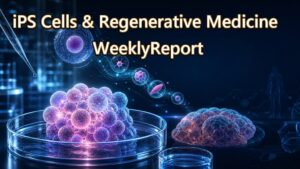
Twenty years after the groundbreaking discovery of induced pluripotent stem cells (iPSCs), significant clinical advancements in regenerative medicine are being celebrated. Notably, Japan has emerged as a global leader, securing the world’s first conditional approvals for iPSC-derived cell therapies targeting heart failure and Parkinson’s disease, thereby pioneering clinical applications in this transformative field.
Technical/Clinical Details
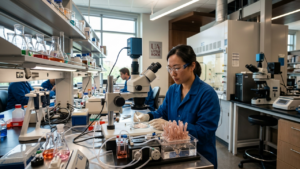
iPSCs are pluripotent stem cells generated from adult somatic cells, bypassing the ethical concerns associated with embryonic stem cells (ESCs) while retaining the ability to differentiate into any cell type. Over the past two decades, iPSC generation techniques have seen remarkable improvements in efficiency and safety, establishing a robust foundation for clinical-grade cell supply. In Japan, iPSC-derived myocardial cell sheets are being implanted into patients with severe heart failure to restore cardiac function. For Parkinson’s disease, iPSC-derived dopaminergic neural progenitor cells are being transplanted into the brain’s basal ganglia to replace lost neurons and improve motor symptoms. These treatments offer a potential cure for diseases previously untreatable by conventional symptomatic therapies. Japan’s unique conditional approval system allows early access to promising therapies for patients once safety and preliminary efficacy are confirmed, while further data are collected post-market.
Background & Context
iPSCs were first established by Professor Shinya Yamanaka in 2006, leading to a Nobel Prize in Physiology or Medicine in 2012 and an explosion of global research. However, broad clinical application has required overcoming numerous challenges, including cell safety, tumorigenicity risks, immune rejection, manufacturing costs, and ethical considerations. Japan’s success is attributed to strong government-led research support and a flexible regulatory environment, exemplified by the Act on the Safety of Regenerative Medicine. Nevertheless, as the technology advances, there is a growing imperative to maintain public trust and establish policy frameworks that ensure the technology is widely accessible as a ‘platform technology,’ rather than being monopolized by specific institutions or companies.
Strategic Significance & Outlook
iPSC technology has the potential to realize the ultimate form of personalized medicine. Future innovations, such as the development of hypoimmunogenic iPSCs and simpler, safer iPSC generation methods, are expected to expand the range of treatable diseases and accelerate the adoption of cell therapies. Progressing the societal implementation of iPSC technology, while diligently considering ethical, social, and legal aspects and fostering public understanding and trust, will be crucial for its continued success and impact on global health.
Get our weekly technology intelligence — free
Receive an infographic that lets you judge at a glance whether each field’s analysis report is worth reading.
Subscribe Free — Weekly Tech Intelligence
By subscribing, you’ll receive Troy-Technical’s weekly technology intelligence newsletter.
- Your email and selected fields are used only to deliver the newsletter.
- We never share your information with third parties.
- You can unsubscribe anytime via the link in each email.
See our Privacy Policy for details.
Takes about a minute · Unsubscribe anytime





Comments