Key Findings
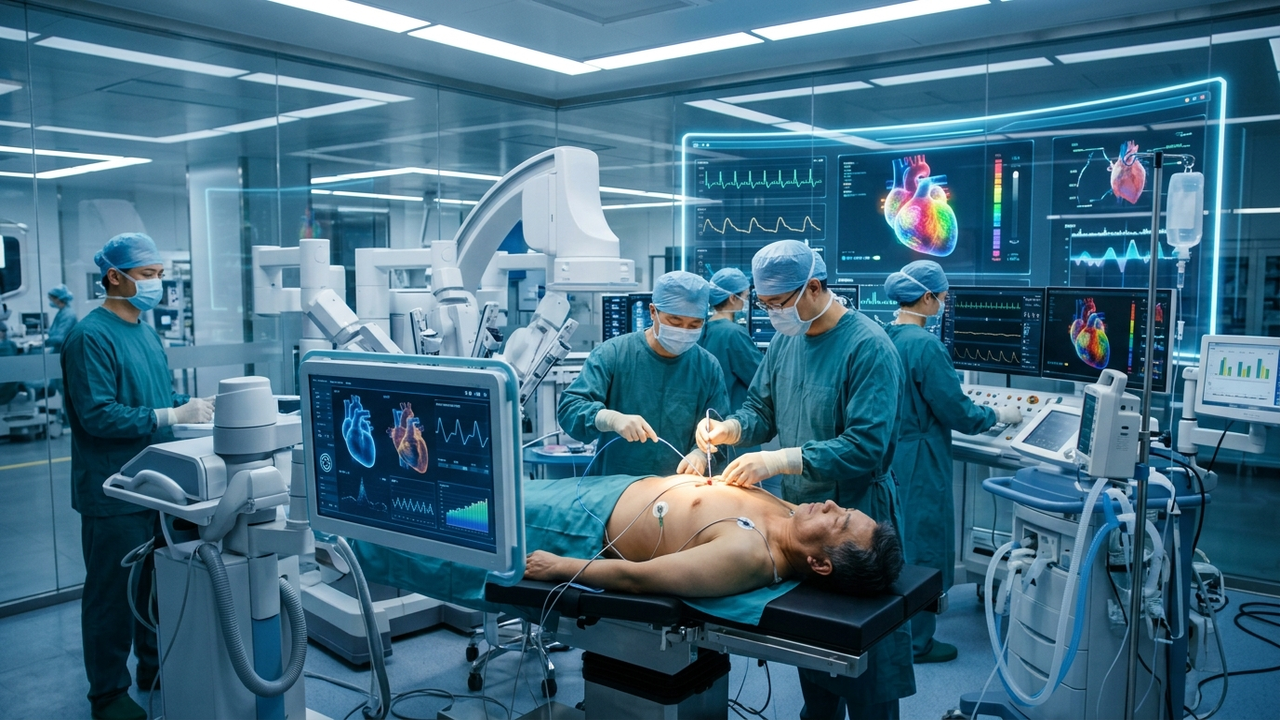
In a pivotal Phase 2 clinical trial led by Nanjing Drum Tower Hospital in China, the long-term follow-up results for heart failure patients treated with iPSC (induced pluripotent stem cell)-derived cardiomyocytes revealed significant improvement in cardiac function for 90% of the participants. These groundbreaking findings, published in Nature Medicine, provide compelling evidence for the efficacy of regenerative medicine in addressing severe heart failure and offer new hope for a large patient population.
Technical/Clinical Details
The clinical trial involved the direct transplantation of high-quality cardiomyocytes, specifically differentiated from iPSCs, into damaged cardiac tissue. Post-transplantation, these iPSC-derived cells successfully engrafted and integrated electrically with existing myocardial cells, contributing to the restoration of contractile function and overall improvement in the heart’s pumping efficiency. The reported data indicated a substantial average increase in left ventricular ejection fraction (LVEF) among the treated patient group, alongside notable improvements in New York Heart Association (NYHA) functional class, a key measure of heart failure severity. The efficacy in patients with end-stage heart failure, for whom traditional pharmacological and device therapies offered limited benefit, is particularly remarkable. Furthermore, the long-term safety profile of the therapy was favorable, with no reported incidence of severe adverse events or tumorigenicity, a critical concern for stem cell-based treatments.
Background & Context
Heart failure represents a growing global public health challenge with limited existing therapeutic options. Current treatments, including heart transplantation, are constrained by donor scarcity and issues of immune rejection. iPSC technology offers a revolutionary approach to heart failure treatment by enabling the generation of patient-specific cardiomyocytes, thereby reducing immune rejection risks and theoretically providing an unlimited cell supply. While previous research demonstrated the efficacy of iPSC-derived cardiomyocytes in animal models, this large-scale human clinical trial provides robust validation of their high efficacy, marking a significant milestone in the field of regenerative medicine.
Strategic Significance & Outlook
The success of this Phase 2 trial significantly elevates the potential for iPSC-derived cardiomyocytes to become a standard treatment for heart failure. Subsequent larger-scale Phase 3 clinical trials will further rigorously evaluate efficacy and safety, bringing regulatory approval within reach not only in China but globally. Widespread adoption of this technology could dramatically improve patient prognosis and quality of life for heart failure sufferers, positioning cardiac regenerative therapy as a major driver in the expanding regenerative medicine market.
Get our weekly technology intelligence — free
Receive an infographic that lets you judge at a glance whether each field’s analysis report is worth reading.
Subscribe Free — Weekly Tech Intelligence
By subscribing, you’ll receive Troy-Technical’s weekly technology intelligence newsletter.
- Your email and selected fields are used only to deliver the newsletter.
- We never share your information with third parties.
- You can unsubscribe anytime via the link in each email.
See our Privacy Policy for details.
Takes about a minute · Unsubscribe anytime

Comments