Key Findings
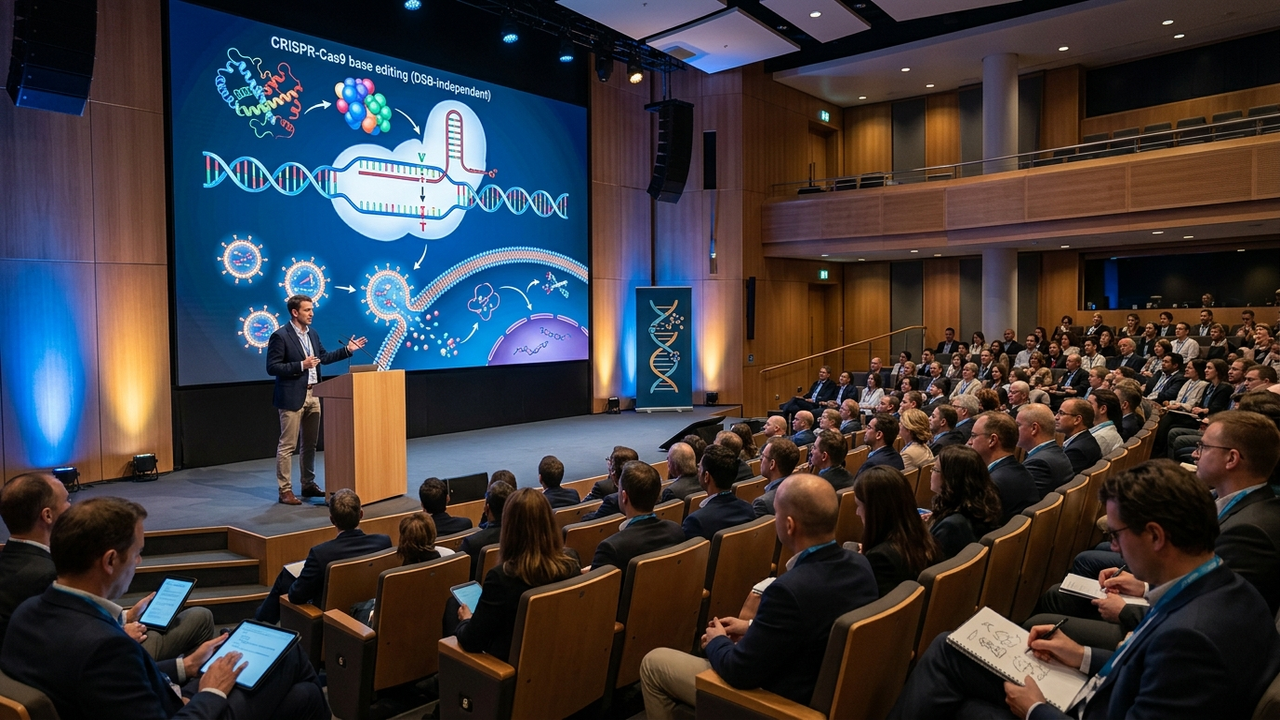
The ‘Genome Engineering: CRISPR Frontiers 2026’ conference highlighted a significant evolution in CRISPR genome editing technology towards precise, double-strand DNA break (DSB)-independent editing. This advancement is characterized by improved editor accuracy and stability, the capability for DSB-free gene insertion, innovative cell targeting via RNA sensing, and transformative progress in delivery technologies.
Technical/Clinical Details
The advancements presented at the conference primarily focus on overcoming the inherent challenges of earlier CRISPR systems, such as off-target effects and potential genotoxicity associated with DSBs. Researchers have succeeded in developing high-fidelity editors that ensure modifications occur only at the intended genomic sites, mitigating unintended edits. This involves engineering Cas protein variants and optimizing guide RNA designs. Furthermore, DSB-free gene insertion technologies are progressing, offering safer and more efficient methods to integrate therapeutic genes into the genome without relying on homology-directed repair (HDR), which is often inefficient and prone to errors. Novel RNA-sensing cell targeting approaches significantly enhance therapeutic specificity by targeting only cells with particular RNA expression patterns. Crucially, major breakthroughs were reported in addressing the delivery challenge, one of the primary bottlenecks for clinical translation of genome editing. Specifically, non-viral ribonucleoprotein (RNP) complexes offer lower immunogenicity and easier manufacturing compared to viral vectors. Improved lipid nanoparticles (LNPs) enable efficient in vivo nucleic acid delivery, while modular virus-like particles (VLPs) allow for customizable targeting to diverse cell types. These innovations in delivery systems are paving the way for gene therapies to reach systemic diseases and previously hard-to-target tissues.
Background & Context
Since its discovery, CRISPR technology has revolutionized biological research and therapeutic applications. However, initial concerns regarding off-target cleavage and potential cellular damage from DSBs spurred an intense drive to refine the technology. The conference reflects the industry-wide effort to evolve genome editing into a safer and more controllable tool. Advancements in delivery technologies are indispensable for maintaining editing efficacy while enhancing safety, profoundly influencing the feasibility of therapeutic applications.
Strategic Significance & Outlook
The progress in DSB-independent editing and innovative delivery systems is set to dramatically broaden the applicability of gene therapy. This will accelerate the development of safer and more effective treatments for numerous genetic diseases, cancers, and viral infections that currently lack adequate therapies. Should these technologies continue to demonstrate efficacy and safety in clinical trials, genome editing is poised to reshape the future of healthcare as a foundational technology for personalized medicine.
Source: https://blog.addgene.org/whats-new-in-genome-editing-takeaways-from-crispr-frontiers-2026
Get our weekly technology intelligence — free
Receive an infographic that lets you judge at a glance whether each field’s analysis report is worth reading.
Subscribe Free — Weekly Tech Intelligence
By subscribing, you’ll receive Troy-Technical’s weekly technology intelligence newsletter.
- Your email and selected fields are used only to deliver the newsletter.
- We never share your information with third parties.
- You can unsubscribe anytime via the link in each email.
See our Privacy Policy for details.
Takes about a minute · Unsubscribe anytime







Comments