Key Findings
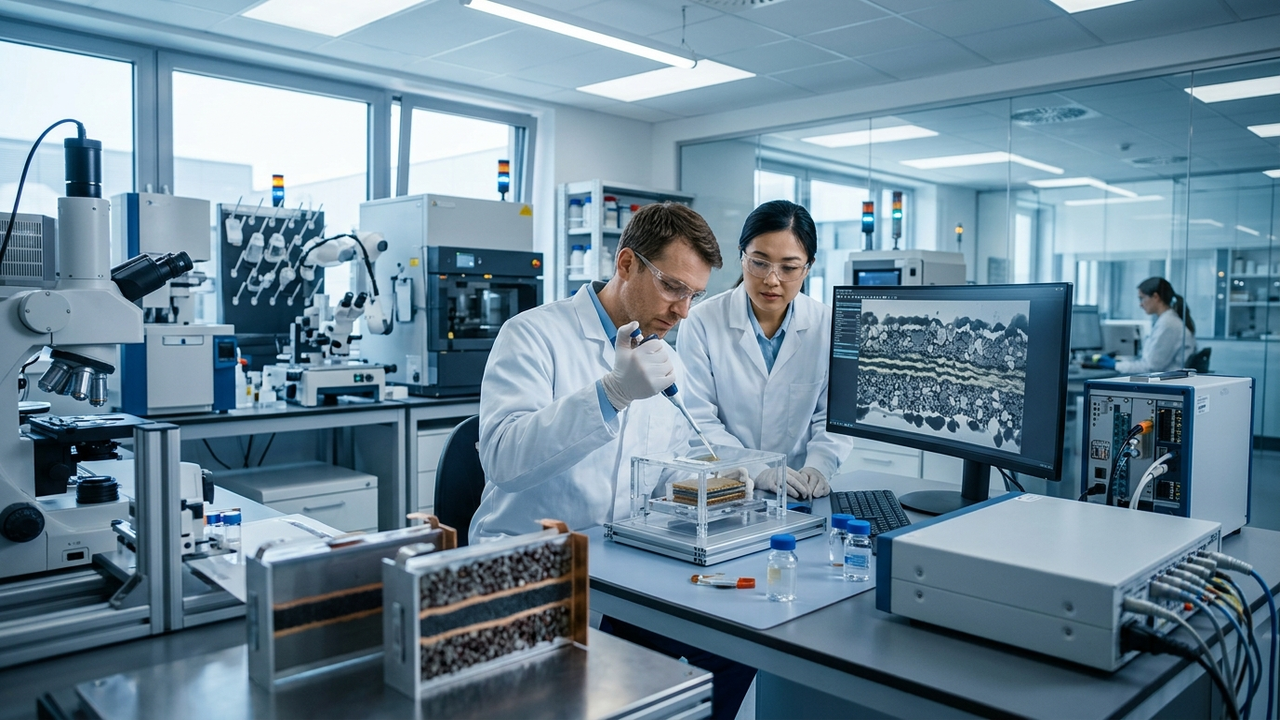
A team of scientists from the Norwegian University of Science and Technology (NTNU) and the Austrian Institute of Technology (AIT) has discovered a novel electrode adhesive, ‘Lithiated Polyacrylate (LiPAA),’ which dramatically extends the lifespan of high-voltage lithium-ion batteries. This breakthrough material holds significant implications for improving battery durability and performance.
Technical / Clinical Details
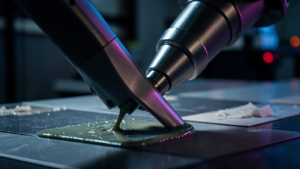
When applied to lithium-ion battery electrodes, LiPAA effectively addresses two primary causes of battery degradation simultaneously. First, it possesses the ability to neutralize hydrofluoric acid (HF) generated within the electrolyte. HF corrodes electrode materials, leading to capacity fade and premature battery failure. LiPAA sequesters this acid, mitigating its detrimental effects. Second, it effectively retains transition metals (e.g., nickel, cobalt, manganese) that leach from the cathode into the electrolyte. These metal ions can traverse the separator and deposit on the anode, promoting dendrite formation, which can lead to internal short circuits and safety hazards. By trapping these metal ions, LiPAA delays cathode degradation and prevents adverse effects on the anode. Furthermore, LiPAA’s water solubility enables the use of environmentally benign aqueous solvents in electrode slurry preparation, potentially simplifying the electrode manufacturing process and reducing costs.
Background & Context
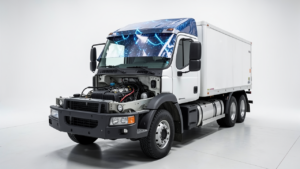
Lithium-ion batteries are indispensable for electric vehicles and renewable energy storage systems, but enhancing their lifespan and safety remains a top research priority. Particularly in modern high-voltage battery designs, electrolyte decomposition and electrode degradation tend to accelerate, making HF generation and metal leaching significant challenges. Conventional electrode binders (such as polyvinylidene fluoride, PVDF) typically require organic solvents, leaving room for improvement in terms of environmental impact and manufacturing cost. The discovery of LiPAA offers an innovative material chemistry approach to address these issues. It promises not only to extend battery life but also to pave the way for more sustainable and safer battery manufacturing.
Strategic Significance & Outlook
The development of LiPAA holds great promise for improving the performance and safety of next-generation lithium-ion batteries. If commercialized, this adhesive could contribute to extended driving ranges for electric vehicles, significantly prolonged cycle life, and enhanced long-term battery reliability. Moreover, its water solubility positions it to accelerate the adoption of environmentally friendly battery manufacturing processes. The research team plans to focus on optimizing the scale-up manufacturing process for LiPAA and evaluating its performance across various battery chemistries. This technology is expected to have a broad impact on the entire energy storage sector, catalyzing the realization of a higher-performing and more sustainable society.
Get our weekly technology intelligence — free
Receive an infographic that lets you judge at a glance whether each field’s analysis report is worth reading.
Subscribe Free — Weekly Tech Intelligence
By subscribing, you’ll receive Troy-Technical’s weekly technology intelligence newsletter.
- Your email and selected fields are used only to deliver the newsletter.
- We never share your information with third parties.
- You can unsubscribe anytime via the link in each email.
See our Privacy Policy for details.
Takes about a minute · Unsubscribe anytime


Comments