Key Findings
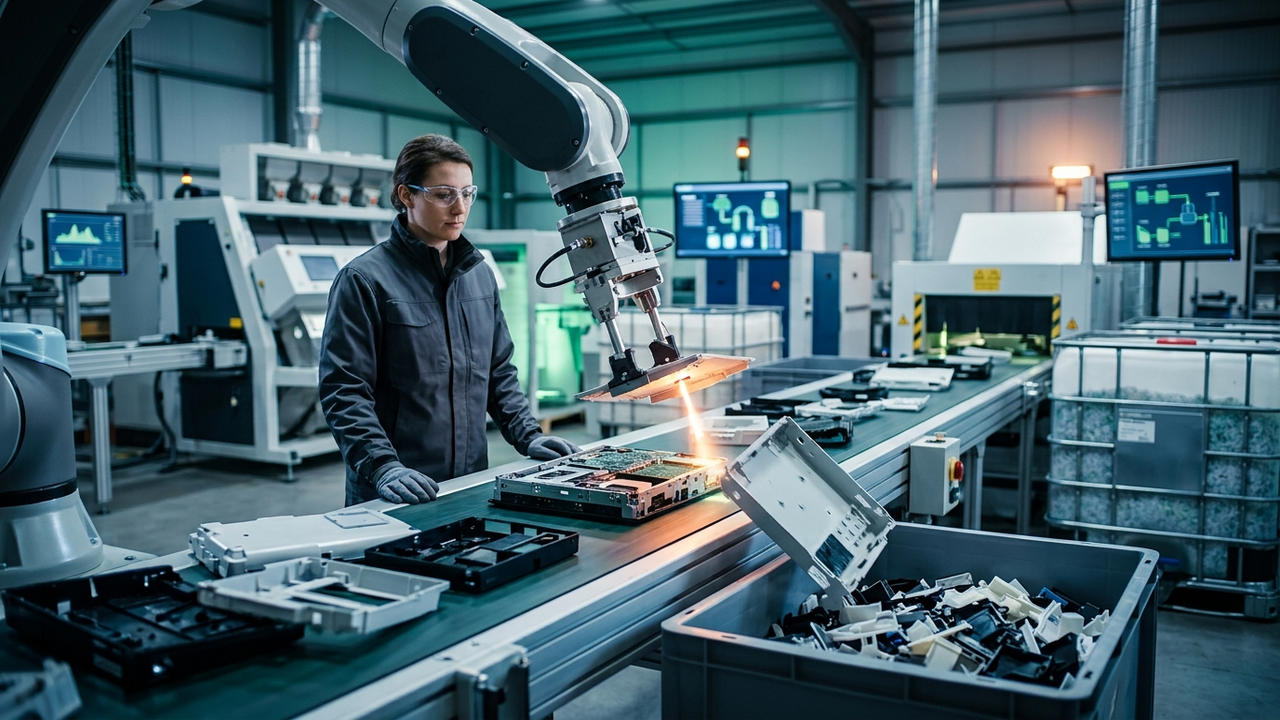
The newly developed thermally activated adhesive, “D-glue,” offers a groundbreaking solution for efficiently recovering high-value technical plastics from end-of-life electronics. This innovative material loses its adhesive properties when exposed to high temperatures, significantly simplifying the traditionally complex dismantling process of electronic components. This breakthrough is expected to make the extraction of recyclable plastics commercially viable, thereby contributing substantially to the circular economy.
Technical Details
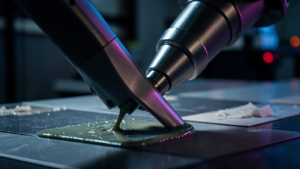
D-glue is engineered to undergo an internal structural change upon exposure to specific temperatures, leading to a loss of its bonding strength. This “debondable” characteristic allows for the easy and clean separation of bonded components at the end of an electronic device’s lifespan. A major advantage over conventional mechanical destruction or solvent-based separation methods is the minimization of material degradation, enabling the recovery of high-purity plastics. This is particularly beneficial for preserving the value of engineering plastics commonly used in consumer electronics and automotive parts. The adhesive’s performance in high-temperature environments, where it loses adhesion, ensures that valuable polymers can be cleanly separated and reprocessed.
Background & Context
The modern electronics industry is characterized by miniaturization and high performance, leading to the complex integration of diverse materials. This complexity has historically made recycling end-of-life products extremely challenging, resulting in the loss of many high-value materials to waste streams. Debondable adhesives like D-glue present a pivotal solution to this problem, aligning with global trends towards waste reduction and improved resource efficiency. The technology gains particular importance for waste management companies in the UK and recyclers in Turkey, who are operating under increasingly stringent quality control standards for plastic recovery.
Strategic Significance & Outlook
The commercialization of D-glue has the potential to trigger a significant paradigm shift in the electronics recycling industry. Advances in adhesive technology will accelerate the adoption of “Design for Recycling” (DfR) principles, where recyclability is considered from the initial product design phase. This will foster resource circulation across numerous industrial sectors in the future. The next steps for this technology are anticipated to include broader applicability to a wider range of materials and the development of more precise debonding control techniques, further solidifying its impact on sustainable manufacturing.
Source: https://cyclomer.co.uk/en/news/debondable-adhesive-electronics-plastic-recycling
Get our weekly technology intelligence — free
Receive an infographic that lets you judge at a glance whether each field’s analysis report is worth reading.
Subscribe Free — Weekly Tech Intelligence
By subscribing, you’ll receive Troy-Technical’s weekly technology intelligence newsletter.
- Your email and selected fields are used only to deliver the newsletter.
- We never share your information with third parties.
- You can unsubscribe anytime via the link in each email.
See our Privacy Policy for details.
Takes about a minute · Unsubscribe anytime




Comments