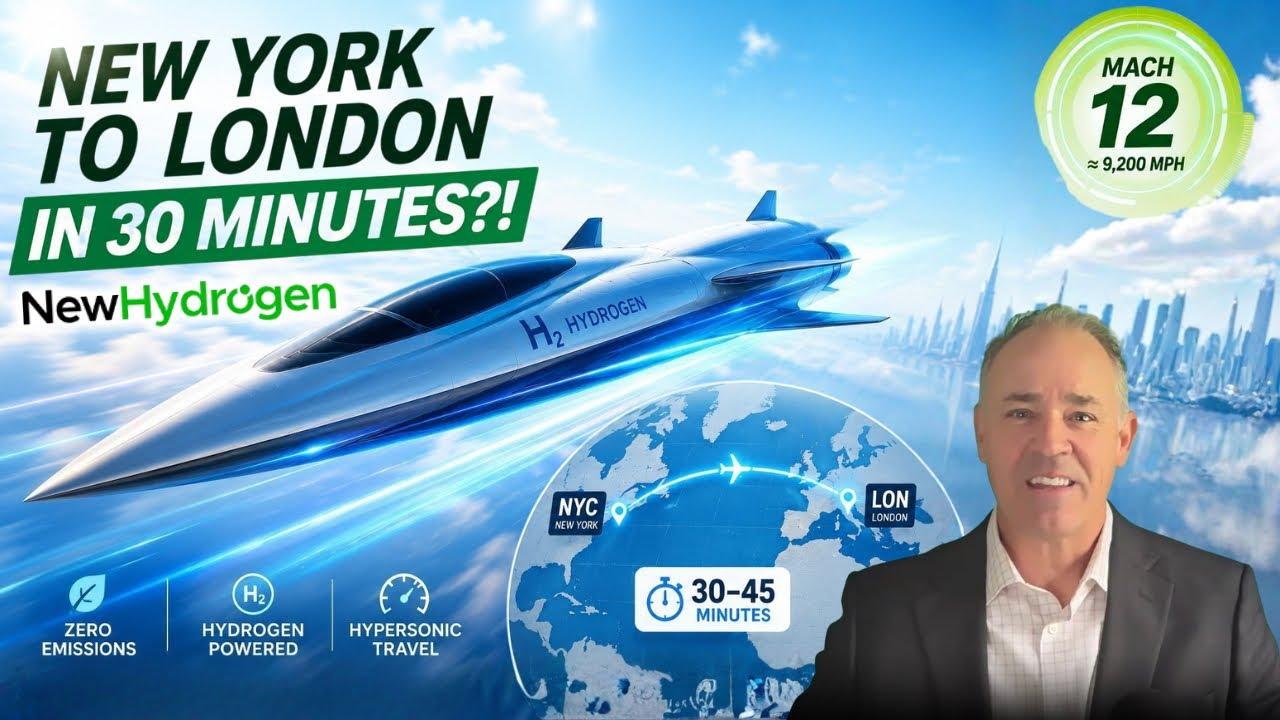
Background: Aviation Decarbonization and the Potential of Hydrogen Fuel
The global aviation industry faces immense pressure to reduce emissions and achieve sustainability. While battery-powered electric aircraft and sustainable aviation fuels (SAFs) are being considered as alternatives to conventional jet fuel, they present limitations, particularly for long-haul and large aircraft due to energy density issues. In this context, hydrogen fuel is gaining attention as one of the most promising options for aviation decarbonization, owing to its high energy density and the fact that its combustion byproduct is only water.
Successful Manned Test Flight of a Hydrogen-Powered Helicopter
Unither Bio Electronic, in collaboration with Robinson Helicopter, a globally recognized manufacturer of small helicopters, successfully completed a manned test flight of a hydrogen-powered helicopter driven by fuel cells. This historic flight significantly advances the commercial viability of hydrogen technology in the aviation sector.
- Technological Approach: This hydrogen-powered helicopter is equipped with a highly efficient fuel cell system. Fuel cells generate electricity through an electrochemical reaction between hydrogen and oxygen from the air, which then powers motors driving the propeller or rotor. This process produces zero harmful emissions, releasing only water vapor.
- Verification of Safety and Performance: The success of the manned test flight demonstrated that the hydrogen fuel cell system meets the rigorous safety standards and performance requirements of aircraft. Particularly, its low vibration, reduced noise, and stable power supply capability offer significant advantages in aviation operations.
- Importance of Partnership: The integration of Unither Bio Electronic’s fuel cell technology with Robinson Helicopter’s expertise in aircraft design and manufacturing made this innovative solution possible. Such cross-industry collaboration is crucial for overcoming complex technical challenges and pioneering new markets.
Impact and Outlook: The Future of Clean Air Mobility
The successful manned test flight of the hydrogen-powered helicopter marks a groundbreaking step towards a future of sustainable mobility in the aviation industry. It is expected that hydrogen fuel will be introduced progressively, starting with relatively smaller aircraft for short-haul flights and urban air mobility (UAM), thereby gradually advancing the decarbonization of the entire aviation sector. Furthermore, this success will stimulate further research, development, and investment in hydrogen storage technologies, refueling infrastructure, and aircraft design.
In the future, the application of this technology to larger aircraft holds the potential to make global air travel more environmentally friendly and contribute significantly to the aviation industry’s carbon-neutral goals.







Comments