Background: The Challenge of Polystyrene Waste and the Need for Chemical Recycling
Polystyrene (PS) is a versatile plastic widely used in packaging, disposable dinnerware, insulation, and consumer electronics. However, its mass production and diverse applications have led to a severe post-consumer polystyrene waste problem, raising significant environmental concerns. Bulky waste, such as expanded polystyrene foam, has been particularly challenging to collect and recycle. In this context, chemical recycling technology, which breaks down polystyrene at the polymer chain level to recover its original monomer, styrene monomer, is gaining attention as an indispensable solution for transitioning to a sustainable society.
Key Findings: The Integrated TruStyrenyx™ Process
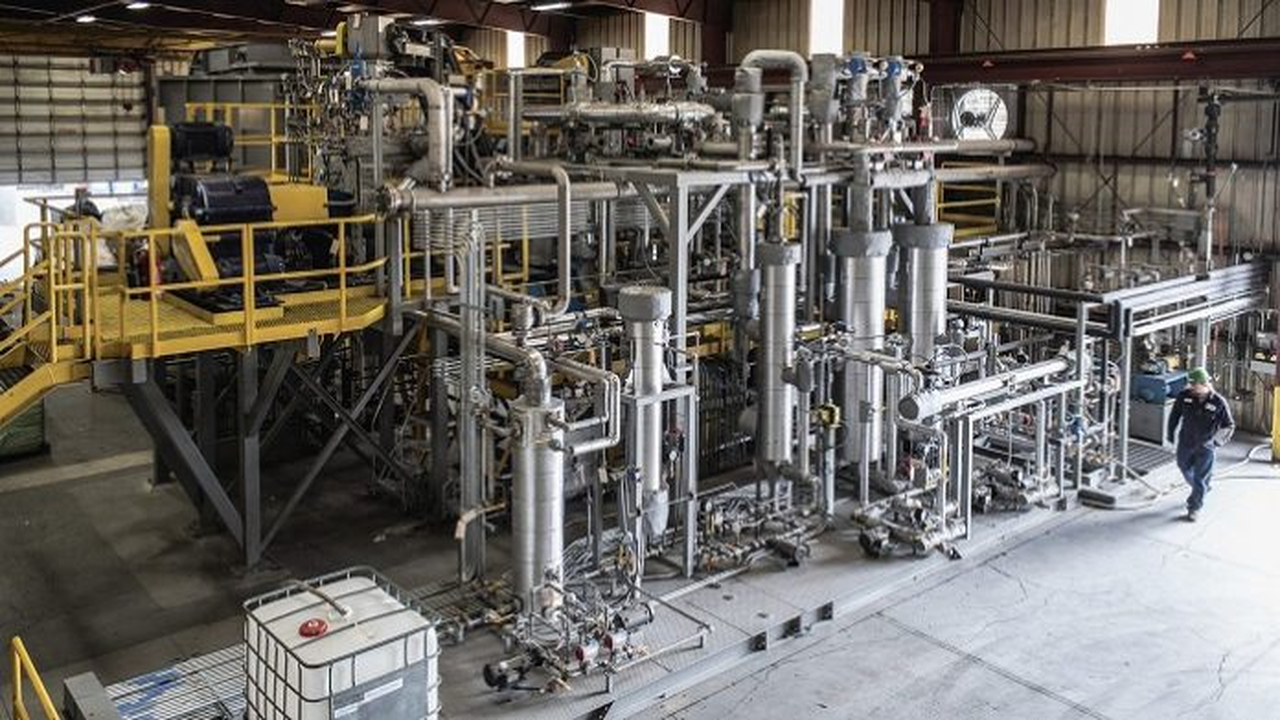
TruStyrenyx™, jointly developed by Technip Energies and Agilyx, is a comprehensive chemical recycling technology platform designed for the efficient production of high-purity recycled styrene monomer (RSM) from polystyrene waste. This solution integrates two primary technologies:
- Agilyx’s Pyrolysis Process: Polystyrene waste is thermally decomposed in an oxygen-free atmosphere to produce pyrolysis oil primarily composed of styrene monomer. This process offers the flexibility to handle diverse polystyrene waste streams.
- Technip Energies’ Purification Technology: Uses proprietary purification techniques to convert the crude styrene monomer-containing oil obtained from Agilyx’s pyrolysis process into high-purity styrene monomer. This purification step achieves a final product purity of over 99.8%, ensuring quality equivalent to virgin material.
Through this integrated process, polystyrene waste is reintegrated into a circular cycle, allowing it to be reused repeatedly as a feedstock for new plastic products. The high-purity recycled styrene monomer can be used not only for new polystyrene production but also as a raw material for various chemical products. This technology enhances resource efficiency and reduces environmental impact by transforming waste into high-value products.
Technical Significance & Outlook: Contributing to a Circular Polystyrene Economy
The commercialization of TruStyrenyx™ technology is poised to significantly accelerate the transition towards a circular economy for polystyrene. This technology will convert previously difficult-to-recycle polystyrene waste into valuable resources, dramatically reducing landfill volumes and incineration rates. It will also contribute to reducing reliance on virgin, petroleum-derived styrene monomer and lowering CO2 emissions.
This technology is already being deployed globally through licensing efforts, with several large-scale commercial plants under consideration for construction. The high-purity recycled styrene monomer provided by TruStyrenyx™ can be safely used in polystyrene products for sectors with stringent quality and safety requirements, such as food containers, medical devices, and automotive components. This technology represents a crucial step towards enhancing the sustainability of the plastics industry and realizing a cleaner, more resource-efficient future. Further dissemination and development are anticipated through global partnerships.




Comments