Key Findings
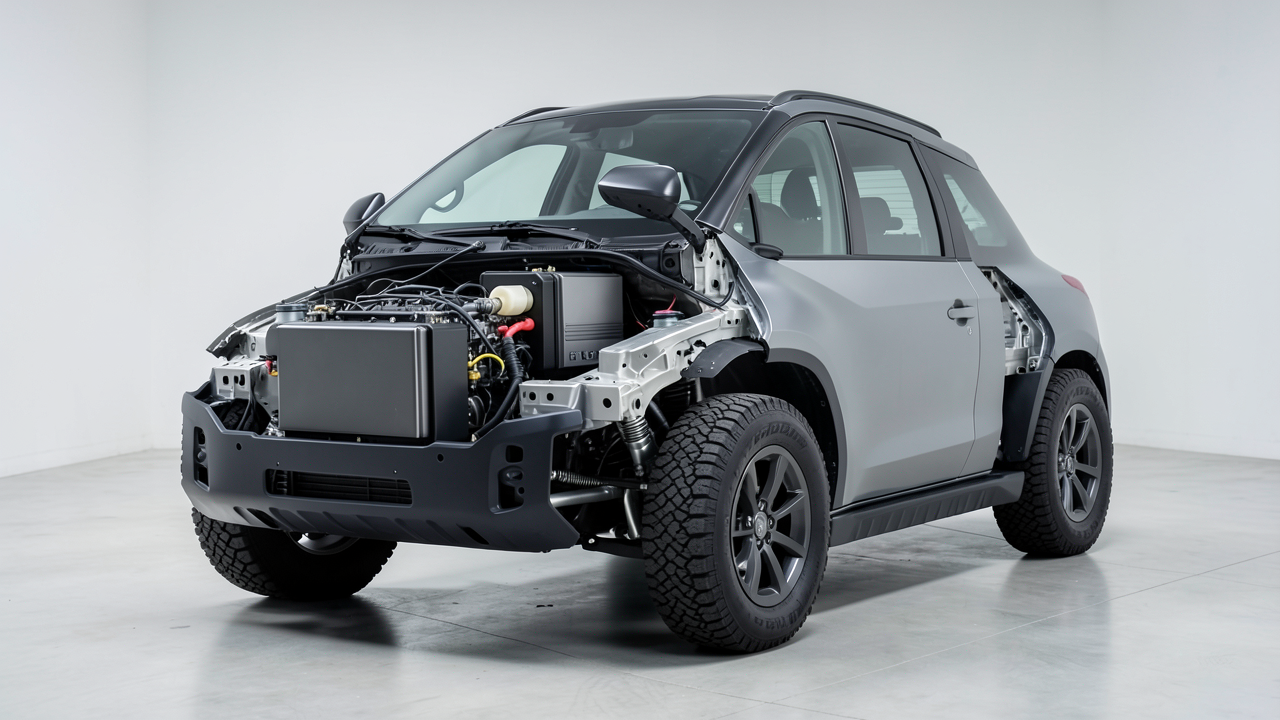
Chinese automotive giant BYD plans to introduce demonstration vehicles equipped with its all-solid-state battery technology next year (2027), as confirmed by Executive Vice President Stella Li. This initiative represents a significant milestone in the company’s solid-state battery development, forming part of a long-term roadmap that includes small-batch vehicle testing of around 1,000 units commencing in approximately 2027, with large-scale commercial production targeted for around 2030.
Technical / Clinical Details
FinDreams, BYD’s battery division, is concentrating its development efforts on all-solid-state battery technology based on sulfide-based solid electrolytes. Currently, the company is developing 20Ah and 60Ah all-solid-state cell prototypes, aiming for an energy density approaching 400 Wh/kg. Sulfide-based solid electrolytes are known for their high ionic conductivity and excellent low-temperature characteristics, offering the potential for both high power output and enhanced safety. The deployment in demonstration vehicles next year will be the first step in validating the performance and reliability of this technology in real-world automotive environments.
Background & Context
All-solid-state batteries are considered the next-generation battery technology, offering superior safety, energy density, and charging speed compared to conventional liquid-electrolyte lithium-ion batteries. The global development race for this technology is intensifying. The Chinese government has prioritized solid-state battery technology as a national strategic initiative, prompting major players like BYD to accelerate their development. As a vertically integrated company producing everything from batteries to EVs, BYD’s in-house solid-state battery development is crucial for establishing a competitive advantage in the future EV market.
Strategic Significance & Outlook
BYD’s introduction of demonstration vehicles with solid-state batteries will be closely watched as it concretely showcases the feasibility of the technology. The small-batch testing of approximately 1,000 units, scheduled for around 2027, is essential for evaluating performance and gathering durability data under real-world conditions. Successful outcomes from this phase would pave the way for full-scale commercial production around 2030. However, key challenges remain, including cost reduction for retail sales and mass production, establishing manufacturing processes, and building robust supply chains. BYD’s endeavors are expected to have a significant impact on the global EV and battery industries.
Get our weekly technology intelligence — free
Receive an infographic that lets you judge at a glance whether each field’s analysis report is worth reading.
Subscribe Free — Weekly Tech Intelligence
By subscribing, you’ll receive Troy-Technical’s weekly technology intelligence newsletter.
- Your email and selected fields are used only to deliver the newsletter.
- We never share your information with third parties.
- You can unsubscribe anytime via the link in each email.
See our Privacy Policy for details.
Takes about a minute · Unsubscribe anytime





Comments