Key Findings
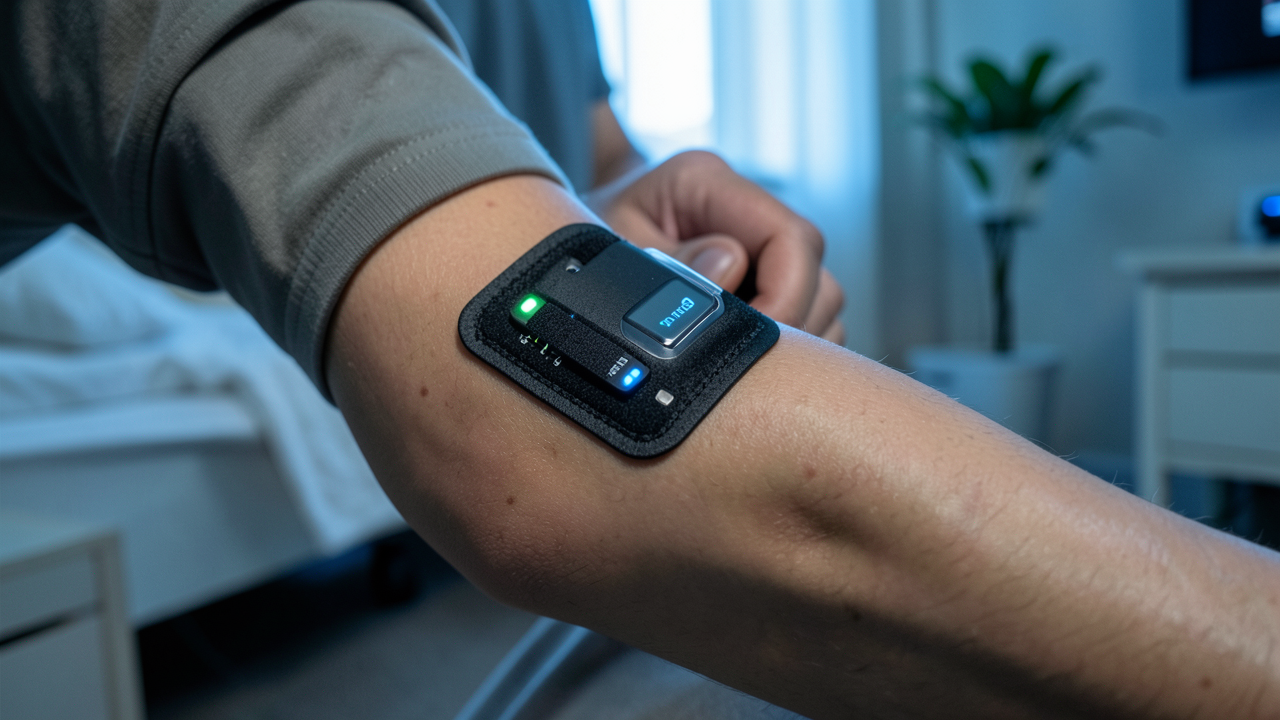
A research team at KAIST, in collaboration with the Korea Institute of Oriental Medicine, has successfully developed an adhesive microneedle electronic medicine capable of remote control via a smartphone. This groundbreaking technology enables a patch to adhere to the skin, facilitating wireless drug delivery and health monitoring for pain management. This advancement signifies a major leap in medical adhesive applications, offering patients unprecedented convenience and access to personalized care from their homes.
Technical and Clinical Details
The developed electronic medicine utilizes an adhesive patch embedded with an array of ultra-fine microneedles. These microneedles minimize skin irritation while efficiently delivering therapeutic agents directly into the body. This targeted approach offers a significant advantage over traditional oral medications or injections by potentially reducing systemic side effects. The system integrates wireless control, allowing users to precisely adjust dosage and timing of medication through a dedicated smartphone application. This real-time adjustability enables highly personalized pain management tailored to individual patient needs. While specific communication protocols were not detailed, it is likely based on common wireless technologies like Bluetooth for user-friendly operation. Furthermore, the patch is anticipated to incorporate embedded biosensors for continuous monitoring of pain levels and other physiological parameters, creating a feedback loop for optimized treatment. The adhesive component is designed using medical-grade materials, ensuring prolonged and stable adherence while mitigating allergic reactions.
Background and Industry Context
Chronic pain affects a vast global population, driving high demand for effective and convenient pain management solutions. Existing treatment modalities often present challenges such as medication compliance issues and the necessity for frequent clinic visits, imposing a significant burden on patients. This new technology addresses these limitations, particularly benefiting elderly individuals and those in remote areas by improving healthcare accessibility. The medical adhesive market is rapidly expanding, with applications ranging from diagnostics to therapeutics and health monitoring. The convergence of advanced adhesives with smart patches and wearable devices is creating new market segments, positioning this development as a key innovation. This Korean-led research underscores the country’s strong capabilities in medical technology innovation.
Future Outlook
Beyond pain management, this adhesive microneedle electronic medicine holds promise for broader applications in drug delivery systems for other diseases and as a continuous biosignal monitoring device. Future integrations with AI-driven personalized medicine platforms could establish it as a core component of advanced, self-contained healthcare ecosystems. While further clinical trials and regulatory approvals are required for market entry, its realization is expected to invigorate the mobile healthcare market and accelerate the shift towards patient-centric care models. Continued miniaturization of the device and reduction in manufacturing costs would pave the way for wider adoption globally, transforming how chronic conditions are managed.
Get our weekly technology intelligence — free
Receive an infographic that lets you judge at a glance whether each field’s analysis report is worth reading.
Subscribe Free — Weekly Tech Intelligence
By subscribing, you’ll receive Troy-Technical’s weekly technology intelligence newsletter.
- Your email and selected fields are used only to deliver the newsletter.
- We never share your information with third parties.
- You can unsubscribe anytime via the link in each email.
See our Privacy Policy for details.
Takes about a minute · Unsubscribe anytime





Comments