Key Findings
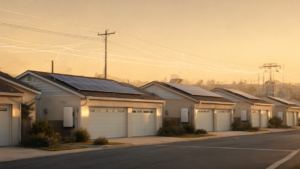
Home solar batteries represent a powerful solution for substantially increasing household energy self-sufficiency by efficiently storing surplus electricity generated by solar panels for use when needed. This reduces dependence on utility companies and, crucially, lowers electricity bills by avoiding power purchases during high-rate periods (peak hours). Furthermore, during power outages, these systems supply backup power to essential circuits, reinforcing household resilience and energy security.
Technical Details and Benefits
Residential battery storage systems predominantly utilize lithium-ion batteries, with a growing preference for LFP (lithium iron phosphate) chemistry due to its superior safety and longer cycle life. These systems generally offer the following functionalities and advantages:
- Storage of Surplus Energy: Excess electricity generated by solar panels during the day, which is not immediately consumed by the household, is stored in the battery. This maximizes solar self-consumption, potentially increasing feed-in tariff revenue or significantly reducing electricity purchased from the grid.
- Load Shifting and Cost Savings: In regions with Time-of-Use (TOU) tariffs, batteries can be charged during cheaper off-peak hours and discharged during expensive peak hours. This ‘peak-shaving’ effect significantly reduces electricity bills by circumventing high-cost power purchases from the utility.
- Backup Power During Outages: In the event of a grid power failure, the battery storage system continues to supply power to connected essential appliances and lights. This allows households to maintain basic living functions independently of the external grid. Systems typically integrate with Uninterruptible Power Supply (UPS) functionalities.
- Energy Independence: By reducing, and sometimes eliminating, electricity purchases from utilities, households are insulated from energy price volatility and grid instability, fostering greater autonomy.
- Smart Grid Integration: Some advanced systems can interface with smart grids and participate in demand response programs, contributing to grid stabilization and potentially earning additional revenue.
However, challenges include high initial installation costs, limited lifespan (typically 10-15 years), space requirements, and a payback period (usually 5-10 years) that can vary depending on local incentives and electricity rates.
Background & Industry Context
The global transition to renewable energy and grid modernization efforts are making home-level energy storage increasingly vital. With rising incidents of extreme weather events due to climate change, the risk of power outages has heightened, driving consumer interest in enhanced resilience. In the U.S., government incentives like the Inflation Reduction Act (IRA) are strongly promoting the adoption of residential energy storage systems. The global solar energy and battery storage market is projected to grow from $2.71 billion in 2025 to $11.64 billion by 2035, exhibiting a strong CAGR of 15.70%. The surging power demand from AI data centers further underscores the need for distributed energy resources that can contribute to overall grid stability.
Strategic Significance & Outlook
The residential battery storage market is expected to continue its robust growth, driven by ongoing technological innovation and cost reductions. Improvements in battery technology (especially the further evolution of LFP chemistry), simplified installation processes, and the integration of AI-powered energy management systems will enable consumers to access more efficient and cost-effective energy solutions. Furthermore, increased integration into Virtual Power Plants (VPPs) will allow residential batteries to contribute to regional grid stabilization, generating additional value. This will further accelerate energy decentralization and decarbonization, contributing to the realization of a more sustainable society.