Key Findings
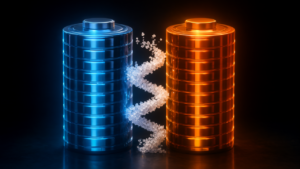
Tesla CEO Elon Musk has reiterated that the company’s dry cathode battery technology holds the potential to “significantly reduce” the manufacturing costs of electric vehicle (EV) batteries. This technology is a cornerstone of Tesla’s innovative 4680 battery cell strategy, aiming not only to lower costs but also to simultaneously achieve higher energy density, simpler manufacturing processes, enhanced structural integration within battery packs, and dramatically scaled production. This represents a critical breakthrough directly impacting competitiveness in the EV market.
Technical Details and Process Innovation
Tesla’s dry cathode technology employs a fundamentally different approach from conventional wet electrode manufacturing processes, a development stemming from its acquisition of Maxwell Technologies.
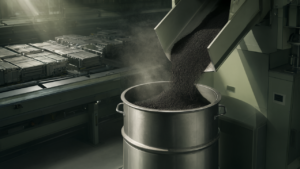
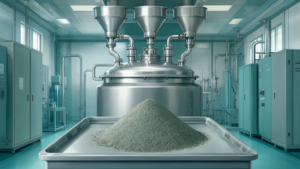
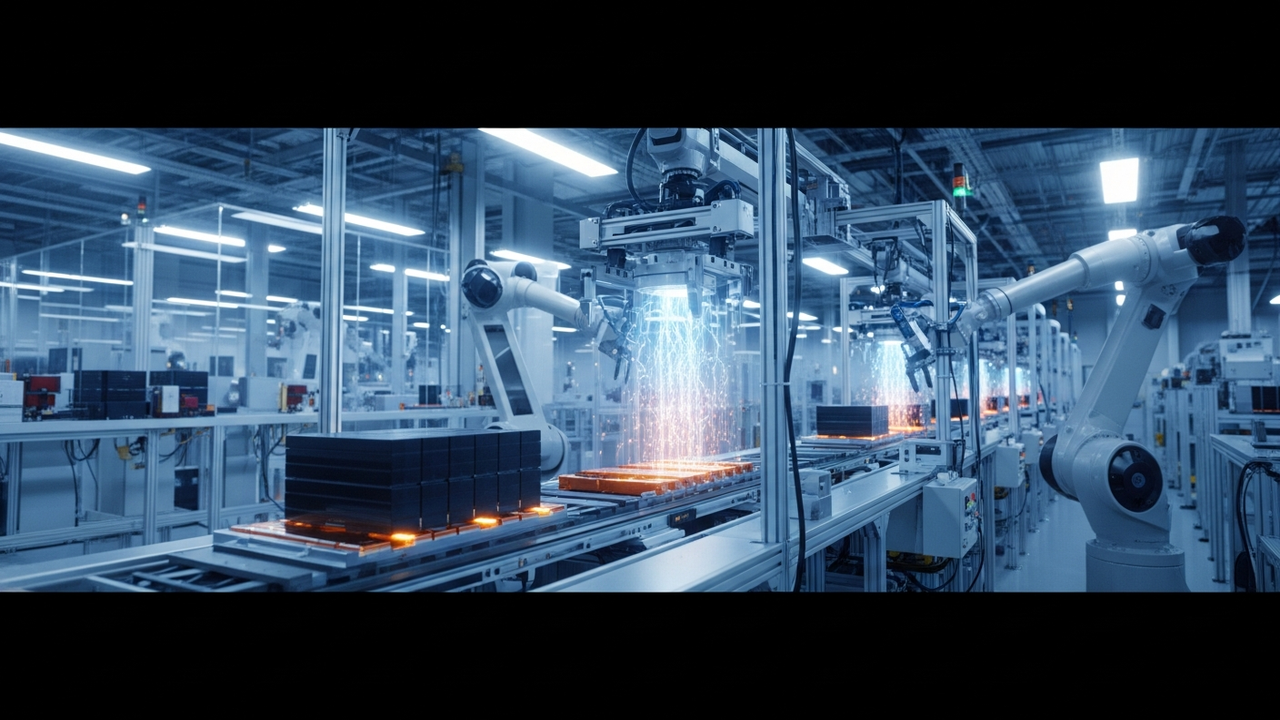
- Solvent-Free Process: Traditional electrode manufacturing typically involves dispersing active materials and binders in organic solvents like NMP (N-methyl-2-pyrrolidone), coating this slurry, and then consuming substantial energy for drying. The dry cathode process completely eliminates the use of these solvents and the drying step. This is projected to reduce manufacturing costs by up to 50% and dramatically lower energy consumption and environmental impact.
- Enhanced Energy Density: The absence of solvents allows for the fabrication of thicker, denser electrodes. This is expected to increase the proportion of active material within the battery cell, leading to a 15-20% improvement in cell-level energy density. This is crucial for extending the driving range of EVs.
- Structural Integration with 4680 Cells: Dry cathode technology is intimately linked with Tesla’s larger 4680 cylindrical battery cells. The 4680 cells, with their tabless design (integrating current collectors across the entire electrode) and structural battery pack integration, reduce the overall weight of the battery pack itself while enhancing the vehicle’s structural integrity. Dry electrodes are a key enabler for this integrated design.
- Improved Production Scalability: The simplified process, compared to conventional wet manufacturing, facilitates easier setup and scaling of production lines in large-scale manufacturing facilities like gigafactories. This is an indispensable factor for meeting the rapidly expanding demand for EVs.
Background & Industry Context
The global automotive industry is undergoing a historic transition from internal combustion engine vehicles to electric vehicles, with batteries serving as the heart of this transformation. Battery performance, cost, and manufacturing efficiency are key determinants of EV adoption. Chinese battery manufacturers (e.g., CATL, BYD) are aggressively adopting dry electrode technologies to enhance their cost competitiveness. Tesla’s integration of this technology into its in-house production is part of a strategy to establish technological leadership in the EV market and increase supply chain independence. Western nations are also focusing on innovative manufacturing techniques like dry electrodes to reduce reliance on China for battery production and strengthen domestic manufacturing capabilities.
Strategic Significance & Outlook
Tesla’s dry cathode technology holds the potential for widespread impact across the EV battery industry. As this technology matures and becomes even more efficient at scale, it could significantly reduce EV purchase prices, narrowing the cost gap with gasoline vehicles. This would accelerate EV adoption and contribute to global decarbonization goals. Furthermore, the broader adoption of this technology by other battery manufacturers could evolve industry-wide manufacturing standards, leading to more performant and cost-effective batteries becoming commonplace. It is also noted that this dry process could be applied to solid-state battery manufacturing in the future, fostering further technological innovation.