Key Findings
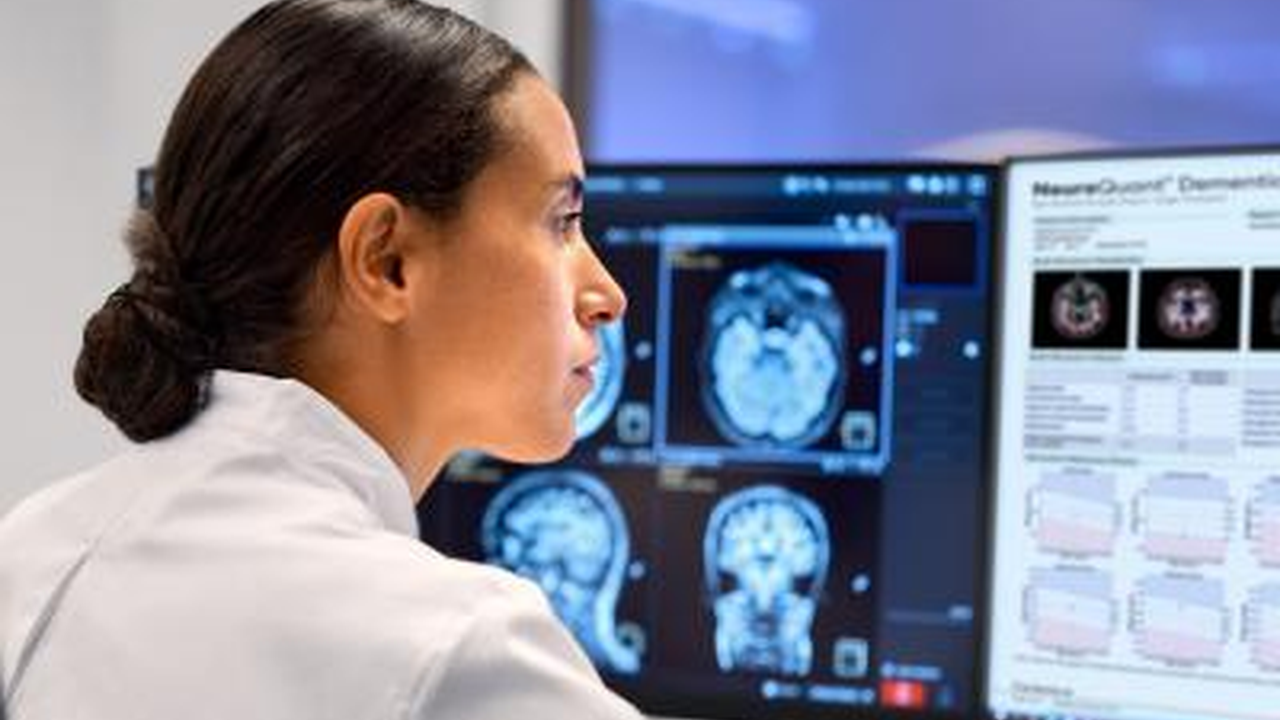
The Philips Future Health Index 2026 report highlights that artificial intelligence (AI) has made substantial inroads in the medical sector, significantly contributing to the improvement of clinical workflows and patient care capabilities. Notably, approximately two-thirds of clinicians have increased their utilization of AI tools, reporting tangible benefits such as reduced work-related stress and enhanced ability to identify and prevent potential medical errors. This indicates a growing reliance on AI for operational efficiencies and safety.
Technical / Clinical Details
AI applications in medicine span a wide range, from diagnostic support and advanced image analysis to optimizing treatment plans. These tools are proving instrumental in streamlining clinicians’ workloads and enabling them to manage a higher volume of patients more effectively. However, the report also underscores persistent challenges: insufficient training for healthcare professionals to maximize AI’s utility and a fragmented IT infrastructure that hinders seamless data exchange and integration across disparate AI systems. Addressing these foundational issues is crucial for scalable AI deployment.
Background & Context
The healthcare industry, grappling with resource constraints and clinician burnout exacerbated by the pandemic, views AI as a promising solution. While AI adoption is accelerating as of 2026, the identified technical and operational barriers signal a critical need for collaborative efforts among healthcare IT vendors, policymakers, and healthcare institutions. Furthermore, ensuring robust cybersecurity measures and strict data privacy protocols are paramount considerations for successful and ethical AI integration within clinical settings.
Strategic Significance & Outlook
For AI to be truly integrated into the fabric of healthcare delivery, standardized training programs and the development of open, interoperable infrastructures are imperative. These advancements would enable AI to transition from being merely an auxiliary tool to a central technology that fundamentally redefines healthcare provision. Investing in upskilling healthcare professionals and fostering system interoperability will be key to maximizing AI’s clinical and economic value, paving the way for more efficient, equitable, and higher-quality patient care globally.
Source: https://healthcare-in-europe.com/en/news/future-health-index-2026-medical-ai.html