Key Findings
A comprehensive analysis of 7,282 abstracts presented at the American Society of Clinical Oncology (ASCO) 2026 Annual Meeting has unveiled two pivotal trends shaping the future of oncology. The first is the notable surge in research and development concerning pan-RAS inhibitors, a class of drugs with potential efficacy across a broad spectrum of cancers. The second is the deep and widespread integration of Artificial Intelligence (AI) and liquid biopsy technologies into oncological research, with AI referenced in 916 abstracts, accounting for 12.6% of all submissions.
Technical / Clinical Details
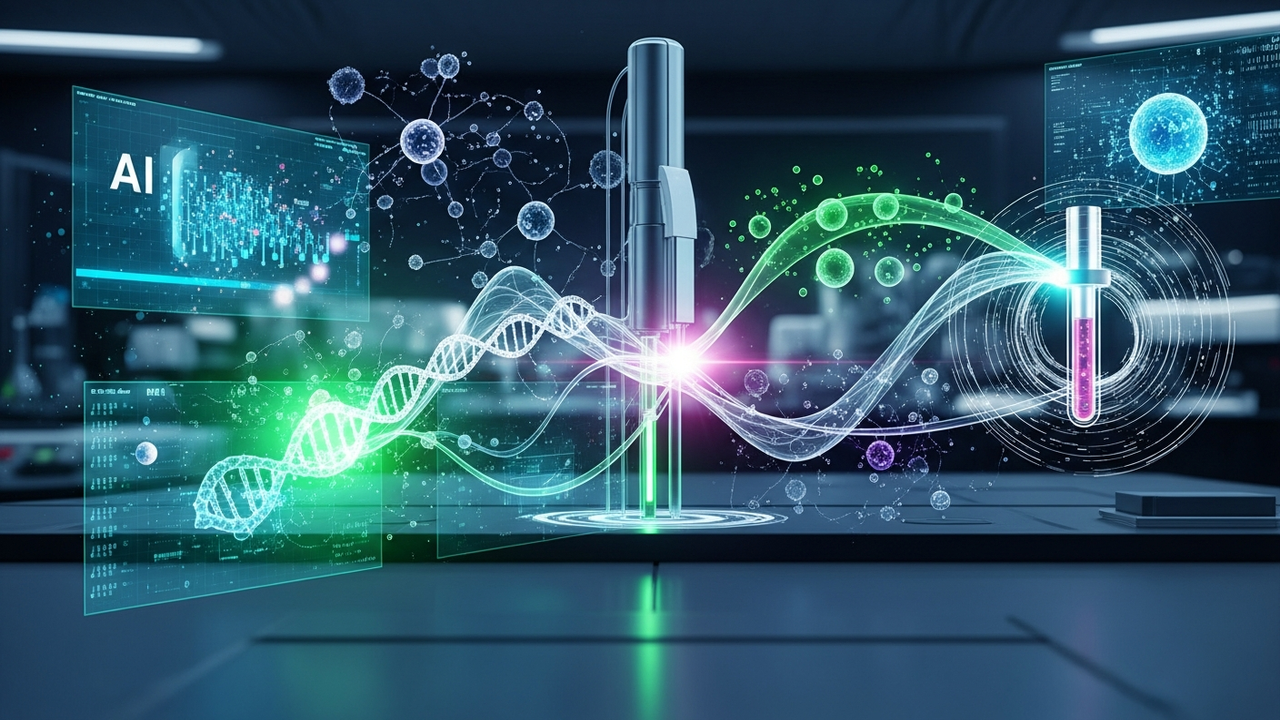
The mentions of AI primarily focused on optimizing clinical trial designs, patient stratification, and guiding the detection of minimal residual disease (MRD). Leveraging AI enables the development of more efficient trial protocols and facilitates precision medicine approaches tailored to individual patient genomic profiles. Liquid biopsy, which involves analyzing circulating tumor DNA (ctDNA) or other biomarkers in blood, offers a non-invasive method for detecting cancer presence and progression. When combined with AI, liquid biopsy promises enhanced accuracy in early diagnosis and real-time monitoring of treatment efficacy.
Background & Context
RAS gene mutations are highly prevalent across various cancer types and have historically represented a challenging ‘unmet medical need’ due to their resistance to targeted therapies. Pan-RAS inhibitors are therefore garnering significant attention as a novel therapeutic avenue for these difficult-to-treat cancers. Simultaneously, the integration of AI and liquid biopsy epitomizes the ongoing shift towards personalized medicine and digital healthcare. These technologies synergize by processing vast genomic and clinical datasets, extracting novel insights that are poised to fundamentally transform cancer research and patient management paradigms.
Strategic Significance & Outlook
The continued advancement of pan-RAS inhibitors is expected to offer new hope for a significant population of cancer patients. Concurrently, the combination of AI and liquid biopsy has the potential to revolutionize ultra-early cancer detection, recurrence monitoring, and the elucidation of treatment resistance mechanisms. Further evolution and clinical adoption of these technologies are anticipated to propel personalized oncology forward, contributing substantially to improved patient survival rates and quality of life in the coming years.
Source: https://neoag.ai/analysis/asco-2026-abstr-intelligence-analysis/