Key Findings
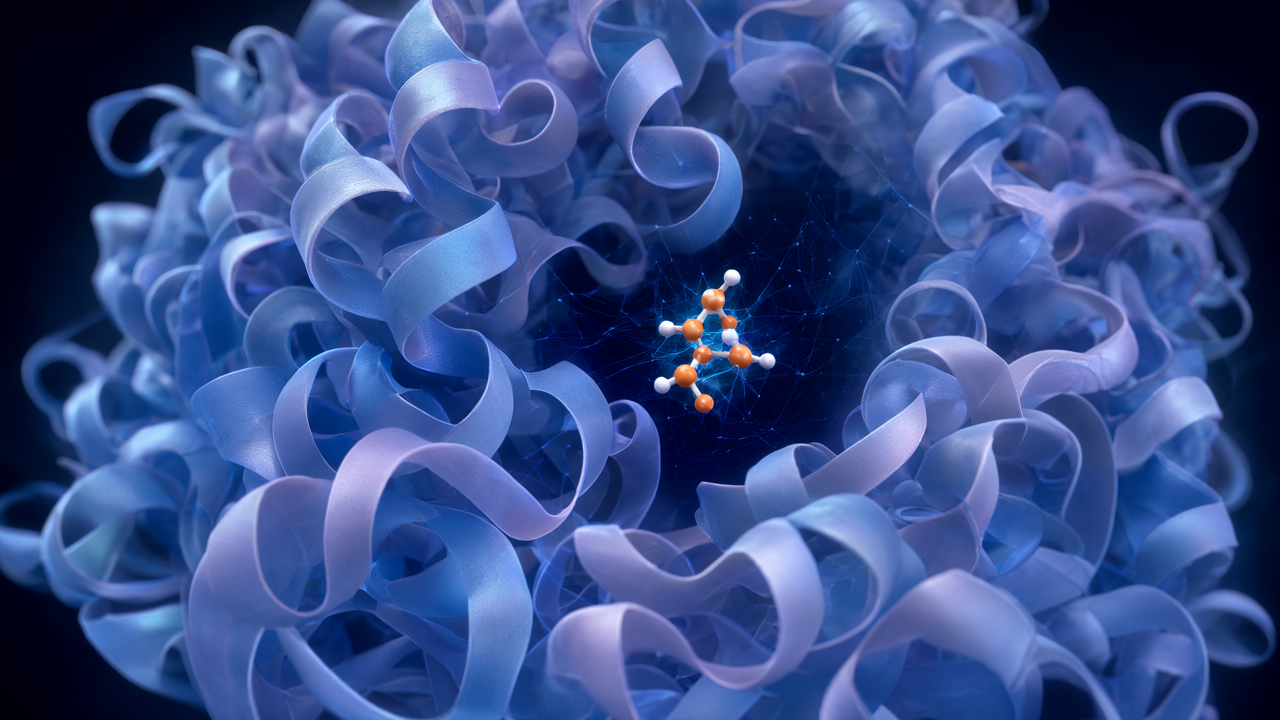
Artificial Intelligence has significantly propelled drug discovery forward, particularly through tools like AlphaFold for accurate protein structure prediction and generative models for designing novel molecular structures. Despite these advancements, a notable trend has emerged: AI-discovered drug candidates achieve a high success rate of 80-90% in Phase I clinical trials, but this figure sharply declines to approximately 40% in Phase II. This disparity underscores that while AI excels at early-stage prediction and identification, rigorous experimental and human clinical validation remains indispensable for navigating the complexities of real-world biological systems.
Technical / Clinical Details
AI’s contribution to drug discovery involves rapidly screening vast chemical libraries, identifying previously overlooked targets, and optimizing molecular structures. Machine learning algorithms learn patterns from extensive datasets to propose novel synthesis routes or design compounds with high binding affinity to specific disease-related proteins. AlphaFold, a deep learning model, accurately predicts 3D protein structures from amino acid sequences, dramatically enhancing target identification efficiency. However, as AI-generated candidates progress to clinical development, they encounter multifaceted challenges including complex pharmacokinetics, safety profiles, and genetic/environmental variability across patient populations. The high Phase I success rate, primarily focused on safety and initial pharmacokinetic assessments, often does not translate to Phase II, where efficacy in larger patient cohorts exposes the limitations of purely computational predictions.
Background & Context
The pharmaceutical industry has long grappled with the high costs, extended timelines, and low success rates inherent in drug development, leading to massive investments in AI as a potential panacea. Pharmaceutical companies are actively partnering with AI startups and establishing internal AI R&D units, exploring AI applications across all stages of drug discovery. The observed drop in success rates for AI-discovered drugs in later clinical phases, mirroring challenges faced by traditional methods, suggests that while AI streamlines processes, it doesn’t inherently guarantee clinical triumph. This highlights a critical need for deeper integration and validation efforts to bridge the gap between initial computational insights and successful clinical outcomes, moving beyond mere efficiency gains.
Strategic Significance & Outlook
The future success of AI in drug discovery hinges on refining AI models to integrate more complex biological contexts and real-world clinical data. This necessitates the creation of extensive datasets combining multi-omics data (genomics, proteomics, metabolomics) with real-world evidence (RWE) for advanced AI model training. Furthermore, ‘human-in-the-loop’ approaches, merging AI’s analytical power with human domain expertise, and enhancing the ‘explainability’ of AI predictions are becoming crucial. By understanding the biological rationale behind AI’s recommendations, researchers can design more targeted experimental validations and clinical trials. Ultimately, the vision is to achieve a truly integrated drug discovery platform where AI provides seamless support from fundamental research through to clinical application, transforming both the speed and success rate of bringing new therapies to patients.
Source: https://www.worldhealthexpo.com/insights/medical-laboratory/ai-in-drug-discovery
Get our weekly technology intelligence — free
Receive an infographic that lets you judge at a glance whether each field’s analysis report is worth reading.
Subscribe Free — Weekly Tech Intelligence
By subscribing, you’ll receive Troy-Technical’s weekly technology intelligence newsletter.
- Your email and selected fields are used only to deliver the newsletter.
- We never share your information with third parties.
- You can unsubscribe anytime via the link in each email.
See our Privacy Policy for details.
Takes about a minute · Unsubscribe anytime








Comments