Key Findings
Kaiser Permanente Northern California has announced that robotic-assisted surgery delivers dramatic improvements for patients compared to conventional open surgical procedures. A 2025 study specifically indicated a 75% reduction in the need for blood transfusions and a 44% lower complication rate for patients undergoing robotic surgery.
Technical / Clinical Details
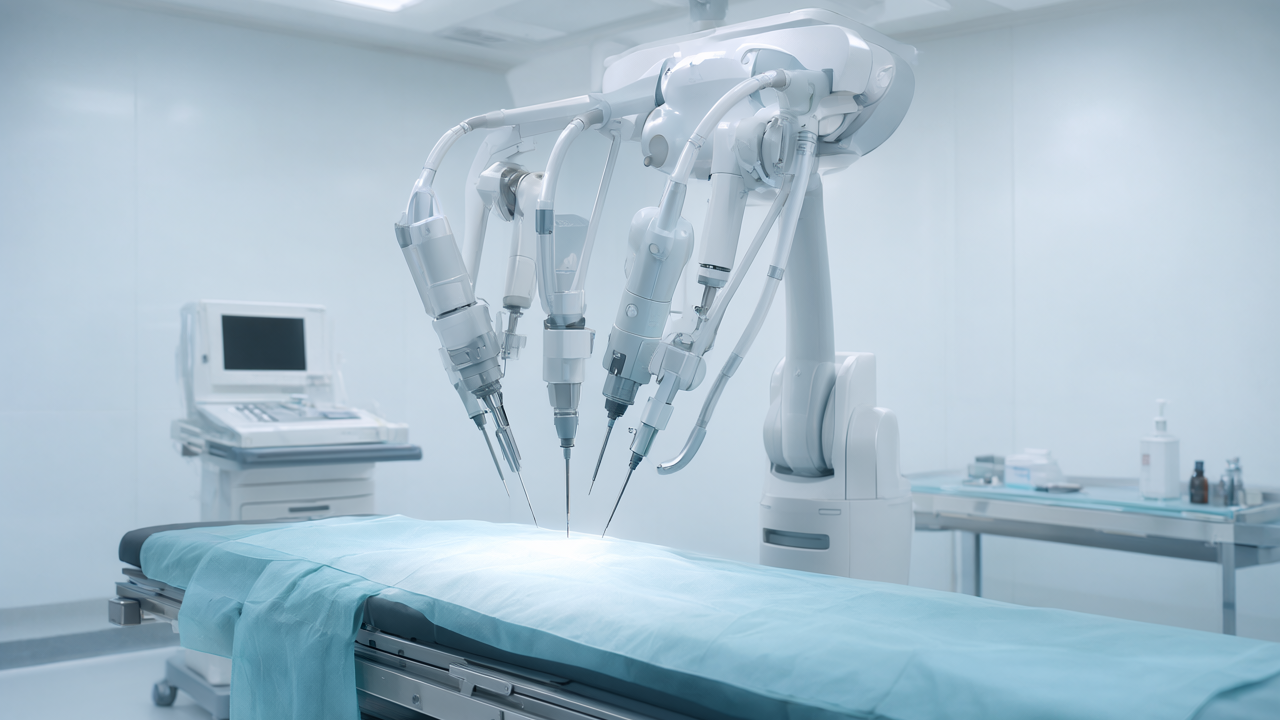
Robotic surgery involves a surgeon operating from a console, manipulating several robotic arms equipped with small instruments and a high-definition 3D camera inserted into the patient’s body. This system provides a magnified view of the surgical site and enables the surgeon to perform intricate movements within confined body cavities with unparalleled precision and stability, far exceeding human dexterity. The outcome is smaller incisions, reduced blood loss, lower infection risk, less post-operative pain, and shorter recovery times for patients. The technology is currently applied to a broad spectrum of procedures, including hernia repairs, colectomies, and splenectomies, spanning abdominal and pelvic organ surgeries.
Background & Context
Minimally invasive surgery has been a long-standing objective in medicine, significantly contributing to reduced patient burden and improved quality of life. While laparoscopic surgery marked a major step, robotic surgery further enhances precision and maneuverability. In the United States, many leading medical institutions have already adopted robotic surgical systems, and surgeon training is well underway. Kaiser Permanente’s data strongly suggests that this technology is not just an advancement but offers comparable or superior outcomes to standard surgical practices.
Strategic Significance & Outlook
The application scope of robotic surgery is expected to continue expanding into more complex procedures and areas currently dominated by open surgery. Future technological advancements are anticipated to include miniaturization of robotic systems, improved cost-efficiency, and the integration of AI-powered surgical assistance features. These developments will allow more patients to benefit from minimally invasive surgery, contributing to overall improvements in healthcare outcomes. Furthermore, robotic systems hold the potential to standardize the techniques of highly skilled surgeons and serve as valuable training tools for new practitioners.
Get our weekly technology intelligence — free
Receive an infographic that lets you judge at a glance whether each field’s analysis report is worth reading.
Subscribe Free — Weekly Tech Intelligence
By subscribing, you’ll receive Troy-Technical’s weekly technology intelligence newsletter.
- Your email and selected fields are used only to deliver the newsletter.
- We never share your information with third parties.
- You can unsubscribe anytime via the link in each email.
See our Privacy Policy for details.
Takes about a minute · Unsubscribe anytime









Comments