Key Findings
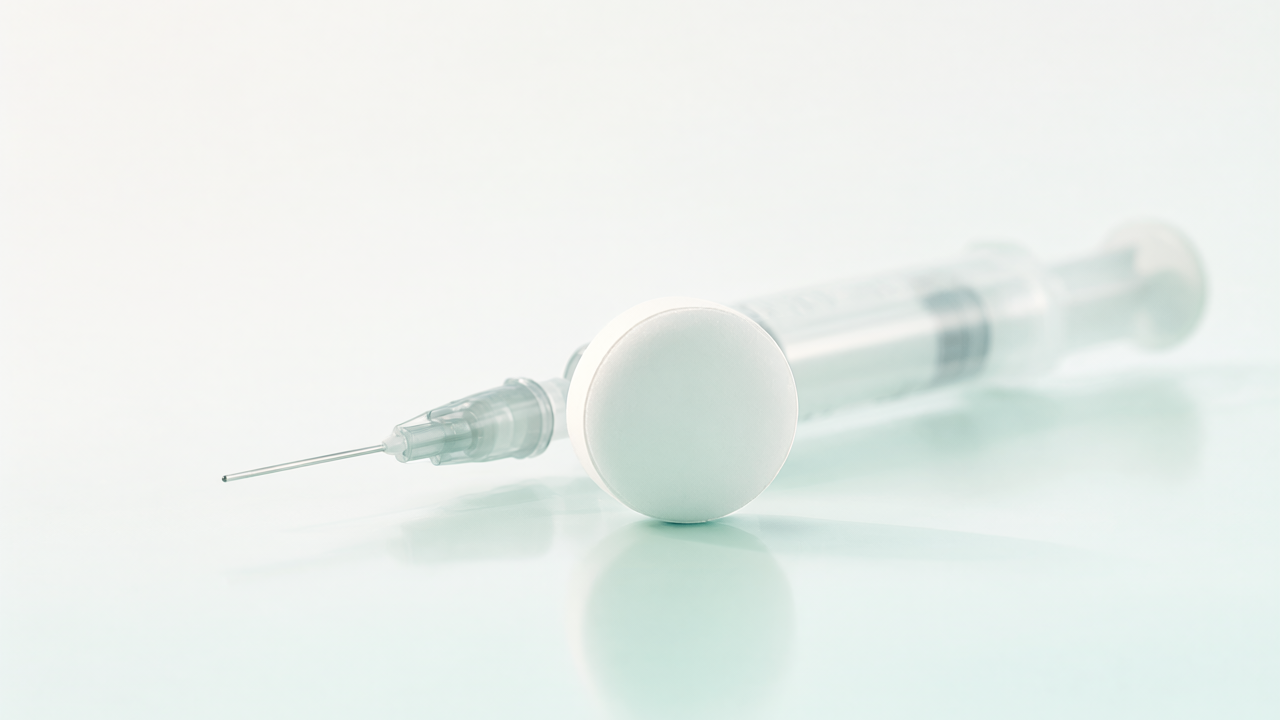
Eli Lilly and Company’s investigational oral GLP-1 receptor agonist, Orforglipron, has demonstrated robust weight loss and glycemic control effects in early clinical trials for type 2 diabetes and obesity, comparable to those observed with existing injectable GLP-1 receptor agonists. This represents a breakthrough in achieving comparable efficacy through a non-invasive oral administration route.
Technical / Clinical Details
Orforglipron is a small molecule compound that binds to the GLP-1 receptor, mimicking its activity to promote glucose-dependent insulin secretion, suppress glucagon secretion, delay gastric emptying, and reduce appetite. Early clinical trial data indicated statistically significant weight reduction and HbA1c improvement compared to placebo. Specifically, weight loss rates and HbA1c reductions were reported to be on par with levels observed with leading injectable GLP-1 drugs. Regarding its safety profile, gastrointestinal side effects (e.g., nausea, vomiting, diarrhea) were noted, consistent with other GLP-1 medications, but most were mild to moderate and transient.
Background & Context
GLP-1 receptor agonists are a drug class with recognized efficacy in managing type 2 diabetes and obesity, experiencing rapidly escalating global demand. However, the majority of currently available GLP-1 drugs require self-injection, which can be a burden for patients. The development of an oral GLP-1 drug addresses a significant unmet need by potentially improving patient adherence, enhancing convenience, and enabling access for a broader patient population. Eli Lilly is a major player in the diabetes and obesity treatment landscape, and Orforglipron’s success could further expand its market share.
Strategic Significance & Outlook
The positive early clinical trial results for Orforglipron fuel high expectations for upcoming large-scale Phase 3 clinical trials. Should Orforglipron demonstrate comparable efficacy and an acceptable safety profile in these larger studies, it could truly be a ‘game-changer’ in the field of type 2 diabetes and obesity treatment. The convenience of oral administration is expected to accelerate the adoption of GLP-1 drugs, making therapy accessible to more patients. This development is anticipated to intensify competition within the pharmaceutical industry while significantly contributing to improved patient quality of life. Eli Lilly aims for rapid development and market launch of this drug, with investors and the medical community closely monitoring its progress.
Get our weekly technology intelligence — free
Receive an infographic that lets you judge at a glance whether each field’s analysis report is worth reading.
Subscribe Free — Weekly Tech Intelligence
By subscribing, you’ll receive Troy-Technical’s weekly technology intelligence newsletter.
- Your email and selected fields are used only to deliver the newsletter.
- We never share your information with third parties.
- You can unsubscribe anytime via the link in each email.
See our Privacy Policy for details.
Takes about a minute · Unsubscribe anytime







Comments