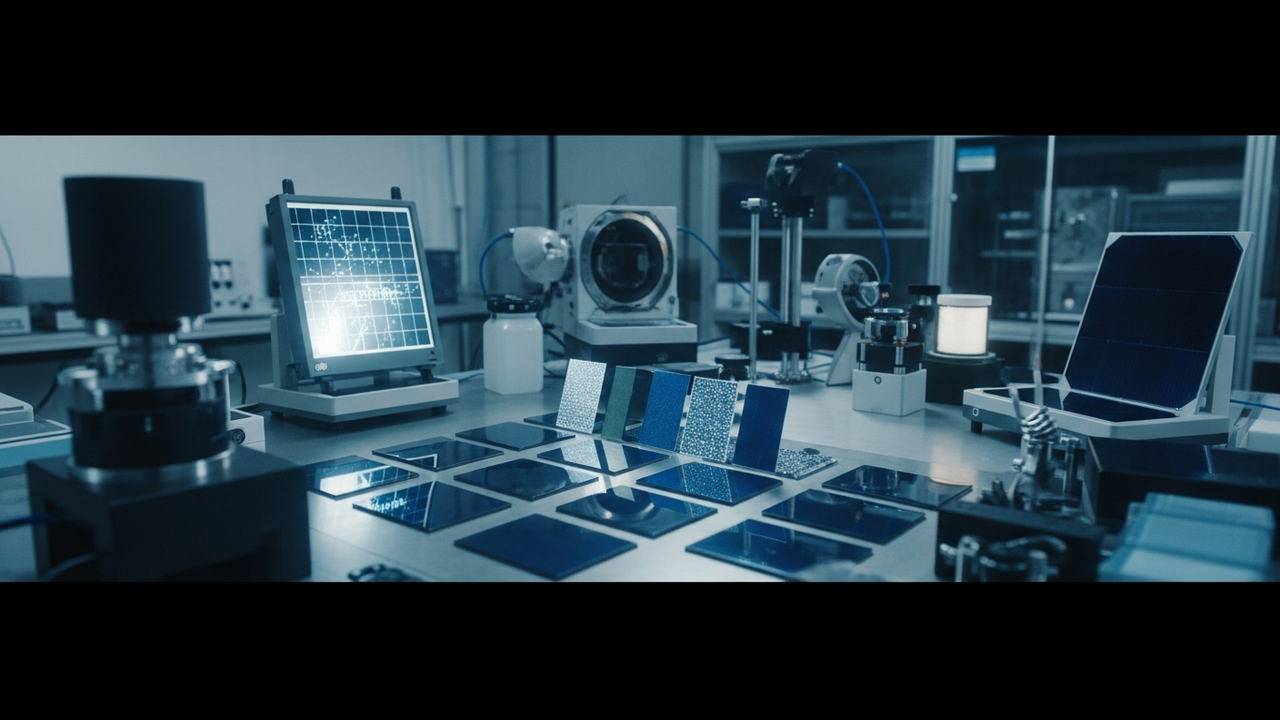
U.S. DOE Continues Investment in Next-Generation PV Projects: Advancing Perovskite to Over 25% Efficiency, Lead-Free Solutions, and Enhanced Stability
The U.S. Department of Energy (DOE) has reaffirmed its commitment to accelerating the development of next-generation photovoltaic (PV) technologies by continuing its funding for relevant projects and updating its key focus areas. A cornerstone of this program is the research and development of perovskite solar cells, with particular emphasis on improving performance, sustainability, and reliability.
Key Objectives and Research Areas
- High-Efficiency Cell Development: The program targets the development of high-efficiency single-junction perovskite cells and tandem cells (combining perovskites with other materials like silicon) with power conversion efficiencies exceeding 25%. This objective aims to break through the limits of existing solar cell technologies and generate more electricity from smaller areas.
- Exploration of Lead-Alternative Materials: Driven by environmental concerns, the program actively seeks alternative materials to lead, a primary component in many perovskite solar cells. This initiative promotes the development of less toxic, more sustainable solar cells and enhances compliance with environmental regulations.
- Enhanced Stability: Improving the long-term stability of perovskite materials and devices against environmental factors such as moisture, air, and high temperatures is one of the most critical challenges for commercialization. The program aims to address this stability issue through innovations in material design, device architecture, and encapsulation technologies.
Background and Industry Context
Solar energy plays an increasingly vital role in the global energy mix, but further widespread adoption necessitates improvements in efficiency, cost reduction, and long-term reliability. Perovskite solar cells are emerging as a technology with the potential to meet these requirements, and the DOE’s funding bridges the gap for this technology to transition from the lab to the market. Crucially, building sustainable materials and supply chains is paramount for future energy security and environmental protection.
Future Outlook
These ongoing investments by the DOE significantly enhance the potential for perovskite solar cells to offer innovative solutions in the photovoltaic market. The development of high-efficiency, lead-free, and highly stable perovskite devices will further reduce the cost of renewable energy and contribute to improved energy access. This represents a crucial step in the development of the U.S. clean energy economy and in global efforts to combat climate change.
Source: https://www.energy.gov/cmei/systems/next-generation-photovoltaics-3