


Key Findings
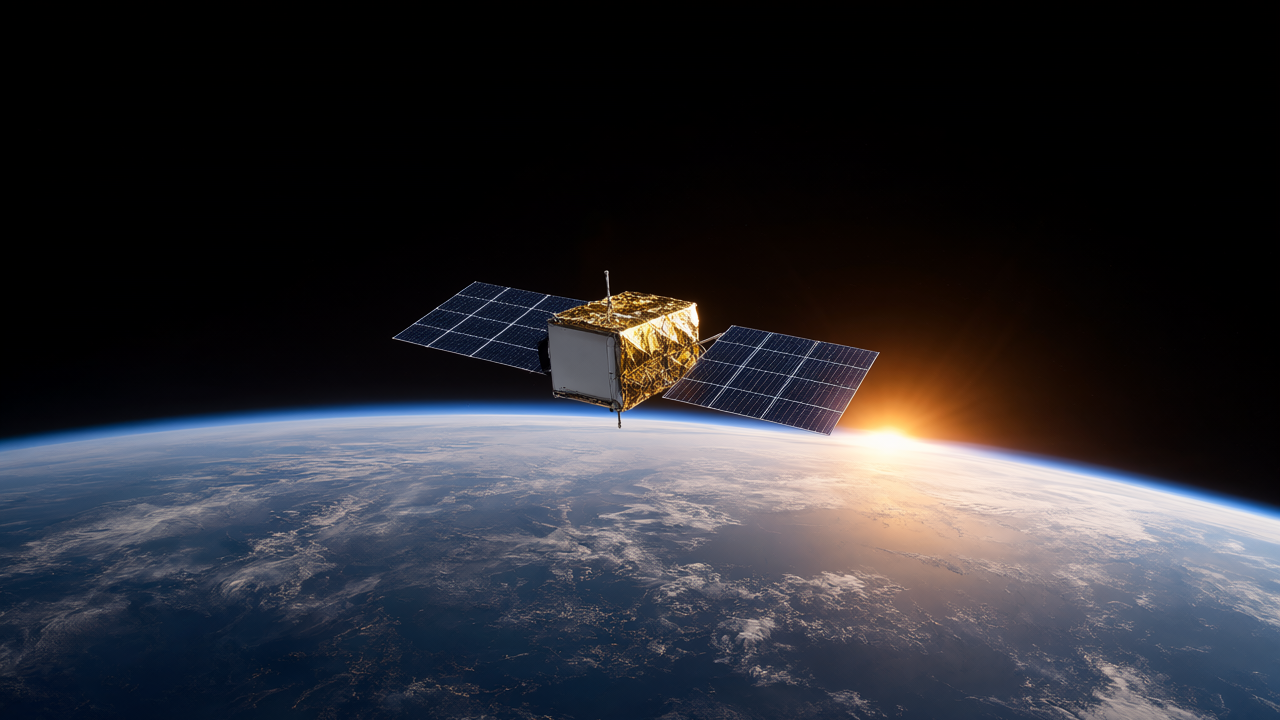
Google announced on September 24, 2026, the impending launch of a prototype satellite on October 1, 2026, as part of its ambitious ‘Project Suncatcher.’ This satellite is equipped with Google’s sixth-generation Tensor Processing Unit (TPU), Trillium, and aims to rigorously evaluate AI chip functionality in the harsh environment of space. The experiment represents a critical step towards exploring the feasibility of establishing an AI data center in low Earth orbit, leveraging continuous sunlight for power generation. Initial terrestrial tests of the Trillium chip have already demonstrated exceptional durability against radiation, surpassing levels anticipated over a five-year mission lifetime.
Technical & Clinical Details
- Project Suncatcher’s Objectives: The primary goal of Project Suncatcher is to assess the performance and resilience of AI chips in extreme space conditions. This includes validating the efficiency of power generation using uninterrupted sunlight and understanding the specific impacts of the space environment on AI workloads. Ultimately, Google envisions deploying AI data centers in low Earth orbit, creating a new computing paradigm independent of terrestrial infrastructure.
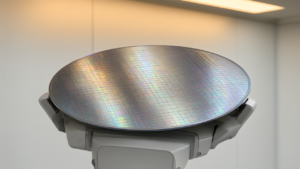
- Trillium TPU for Space Applications: The Trillium TPU onboard the satellite is Google’s latest purpose-built AI accelerator. Ground-based testing has shown Trillium to possess radiation hardness significantly exceeding the levels typically expected for a five-year space mission. However, real-world data collection and extensive verification in actual space conditions are paramount to fully validate its durability and reliability for long-term orbital operations.
- Technical Significance: The advantages of deploying AI data centers in space include constant solar power availability, the establishment of decentralized computing capabilities independent of terrestrial infrastructure, and freedom from geographical constraints. This could potentially reduce data processing latencies and accelerate the global deployment of AI applications, especially for real-time earth observation processing.
Background & Industry Context
The accelerating pace of AI development has led to immense computational demands, raising global concerns about data center power consumption and cooling challenges. Tech giants, including Google, are exploring innovative solutions like more efficient chip designs and novel locations for data center operations, such as space, to address these issues. While the concept of space-based AI data centers is still nascent, it holds the potential to overcome existing limitations and redefine the future of AI infrastructure. This initiative by Google underscores the company’s commitment to pushing the boundaries of AI hardware and deployment.
Strategic Significance & Outlook
The success of Project Suncatcher will serve as a crucial testbed for the grand vision of space-based AI data centers. If the Trillium chip performs as expected and demonstrates sufficient durability in orbit, it could inaugurate a new era of computing capabilities beyond Earth. Initial applications could include real-time analysis of Earth observation data and providing AI services to remote regions globally. Long-term prospects envision AI functioning autonomously for space exploration, environmental monitoring, and even in-situ resource utilization. However, challenges such as the harsh space environment, significant costs, communication latencies, and security still need to be addressed. This experiment marks an essential first step towards overcoming these hurdles.
Source: https://gigazine.net/gsc_news/en/20260925-google-project-suncatcher/
Get our weekly technology intelligence — free
Receive an infographic that lets you judge at a glance whether each field’s analysis report is worth reading.
Subscribe Free — Weekly Tech Intelligence
By subscribing, you’ll receive Troy-Technical’s weekly technology intelligence newsletter.
- Your email and selected fields are used only to deliver the newsletter.
- We never share your information with third parties.
- You can unsubscribe anytime via the link in each email.
See our Privacy Policy for details.
Takes about a minute · Unsubscribe anytime