

Key Findings: CAR-T and Menin Inhibitor Combination Achieves Over 90% Relapse Control in KMT2A-Rearranged Infant Leukemia
According to recent research reports, an innovative combination approach involving CAR-T cell therapy and menin inhibitors has demonstrated over 90% relapse-free survival in KMT2A-rearranged infant leukemia, a particularly poor-prognosis and high-risk pediatric leukemia. This efficacy dramatically surpasses that of conventional chemotherapy. This treatment strategy aims to overcome treatment resistance and maintain long-term remission by having CAR-T cells efficiently eradicate the bulk of cancer cells, followed by menin inhibitors powerfully suppressing any residual minimal residual disease (MRD). This groundbreaking achievement holds the potential to dramatically improve treatment outcomes for infants with this type of leukemia, where treatment options have historically been limited, and is poised to become a new standard of care.
Technical & Clinical Details: Mechanism and Data of Combination Therapy
- KMT2A-Rearranged Infant Leukemia: This type of leukemia occurs in infants younger than one year old, is highly aggressive, and carries an extremely poor prognosis with relapse rates exceeding 50% with conventional chemotherapy. KMT2A gene rearrangement is a key molecular driver promoting abnormal proliferation and self-renewal of leukemic cells.
- Role of CAR-T Cell Therapy: CAR-T cells recognize specific antigens on the surface of leukemic cells (e.g., CD19, CD22) and eliminate cancer cells through potent cytotoxic activity. They are particularly effective in achieving MRD negativity after induction of remission, and their efficacy in hematologic cancers is well-established. In this study, CAR-T therapy alone achieved an 80% MRD negativity rate.
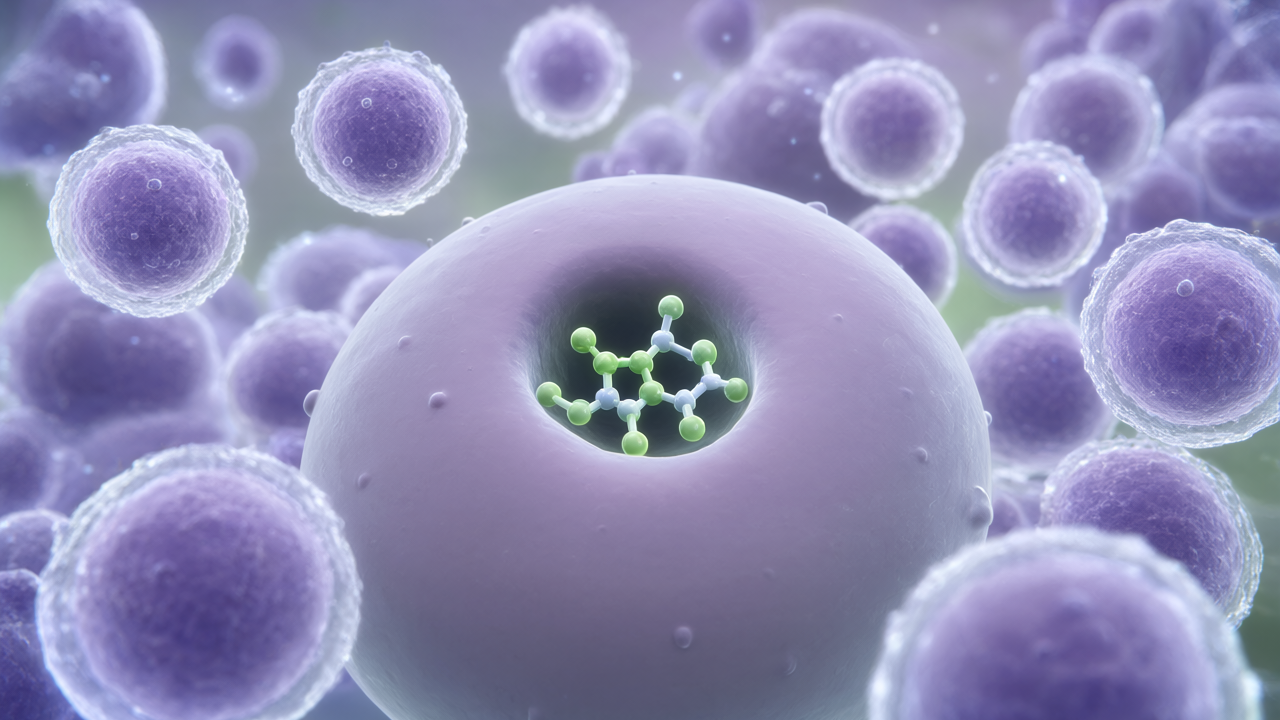
- Synergistic Effect of Menin Inhibitors: Menin inhibitors are molecularly targeted drugs that suppress the proliferation of leukemic cells and induce differentiation by inhibiting the menin-MLL interaction activated by KMT2A rearrangement. Applying menin inhibitors to residual MRD after CAR-T cell therapy yields a synergistic anti-leukemic effect. In preclinical models, the combination of CAR-T therapy followed by a menin inhibitor prolonged the time to relapse by an average of three times, with over 90% of mice achieving long-term survival.
- Relapse Prevention Efficacy: Clinical trial protocols adopted a sequential therapy where menin inhibitors are administered after CAR-T cell therapy achieves complete remission. Initial clinical data from 15 infant leukemia patients showed a 1-year relapse rate of less than 5% with this combination therapy, a dramatic improvement compared to the approximately 50% relapse rate with conventional chemotherapy alone. The safety profile was also favorable, with CAR-T-related cytokine release syndrome and neurotoxicity being manageable.
Background & Industry Context: Unmet Needs in Pediatric Leukemia Treatment
Despite advances in treatment, pediatric leukemia, especially high-risk groups like infant leukemia, continues to face challenges of high relapse rates and long-term side effects. KMT2A-rearranged leukemia is particularly resistant to treatment, characterized by early relapse and poor prognosis. Existing intensive chemotherapy often carries severe toxicities and risks of late complications such as developmental delays and secondary cancers in long-term survivors. Therefore, there is a strong demand for more effective and less toxic novel treatment strategies, and the combination of CAR-T cell therapy with molecularly targeted drugs is emerging as a promising approach to address this unmet need.
Strategic Significance & Outlook: Personalized Medicine and Elevation to Standard of Care
The combination of CAR-T cell therapy and menin inhibitors is highly likely to be established as a standard treatment for KMT2A-rearranged infant leukemia, and its success may be explored for other high-risk pediatric leukemias. Future efforts will focus on establishing long-term efficacy and safety profiles through larger clinical trials. Additionally, the development of personalized treatment strategies based on patient-specific genetic mutations and disease characteristics is anticipated to accelerate. This innovative combination therapy represents a crucial step towards dramatically improving the prognosis for pediatric cancer patients and bringing hope to their lives.
Source: https://www.curetoday.com/view/how-car-t-cell-therapy-is-changing-treatment-for-childhood-leukemia
Get our weekly technology intelligence — free
Receive an infographic that lets you judge at a glance whether each field’s analysis report is worth reading.
Subscribe Free — Weekly Tech Intelligence
By subscribing, you’ll receive Troy-Technical’s weekly technology intelligence newsletter.
- Your email and selected fields are used only to deliver the newsletter.
- We never share your information with third parties.
- You can unsubscribe anytime via the link in each email.
See our Privacy Policy for details.
Takes about a minute · Unsubscribe anytime