Key Findings
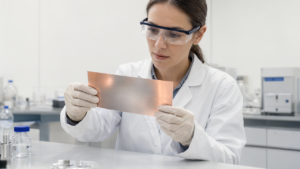
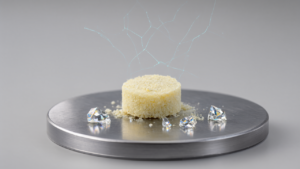
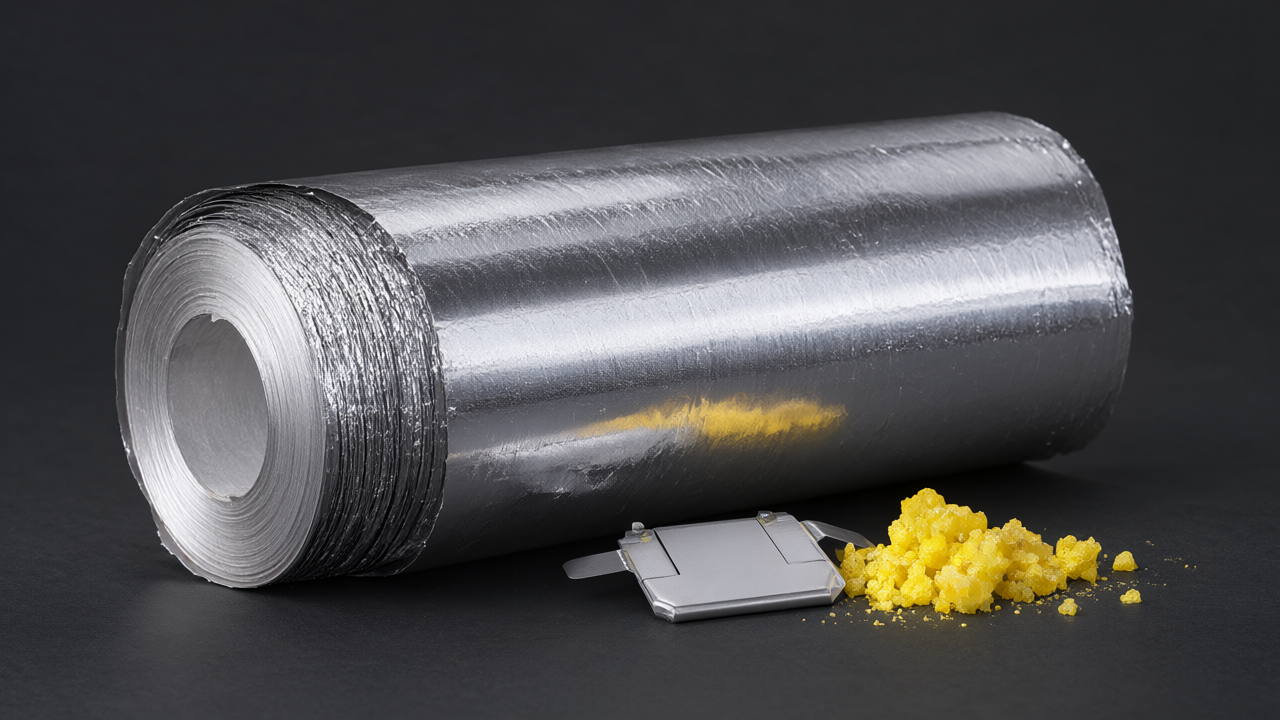
LIS (Lithium-Sulfur), a subsidiary of PPK Group Limited, made substantial progress in the development and validation of its lithium-sulfur (Li-S) battery cells during the 2026 fiscal year, notably with its next-generation ‘Power Cell’ architecture. A commercial 10Ah cell developed by LIS achieved a continuous discharge rate of 2C, an impressive feat that delivers 10 times the power output of typical high-energy-density Li-S cells, without sacrificing their inherent lightweight and energy advantages. Furthermore, LIS successfully established and commissioned Australia’s first dedicated production capability for lithium metal foil, completing its inaugural commercial sale of domestically produced lithium foil, a crucial step for vertical integration and supply chain security.
Technical / Clinical Details
The ‘Power Cell’ architecture developed by LIS represents a fundamental improvement in lithium-sulfur battery technology. While Li-S batteries offer a high theoretical capacity (approximately 1675 mAh/g) and low material cost due to the abundant nature of sulfur, historical challenges included short cycle life and low power output, primarily due to the ‘polysulfide shuttle’ effect and poor sulfur utilization. LIS’s innovation has addressed these issues through advanced electrode design and electrolyte engineering, allowing for stable operation at a high 2C continuous discharge rate. This capability signifies that the battery can consistently deliver twice its rated capacity in current, which is critical for demanding applications such as electric vehicles (EVs), drones, and power tools that require bursts of high power. The in-house production of lithium metal foil in Australia is a key enabler, providing control over a critical raw material and mitigating supply chain risks and costs.
Background & Context
Battery technology is foundational to modern society, powering everything from EVs and portable electronics to renewable energy storage systems. While lithium-ion batteries continue to evolve, next-generation chemistries like Li-S are garnering significant attention for their potential to offer even higher energy densities and lower costs. Li-S batteries theoretically surpass lithium-ion in energy density, promising significantly extended range for EVs and reduced weight for aerospace applications. However, their commercialization has been hindered by performance limitations. LIS’s recent achievement in enhancing power output and durability is a crucial step towards overcoming these long-standing technical barriers. Given Australia’s rich reserves of lithium, establishing domestic lithium foil production capacity carries strategic importance for national economic security and for fostering a sustainable, localized battery ecosystem, contrasting with the global reliance on concentrated supply chains.
Strategic Significance & Outlook
The high energy density combined with a 2C continuous power output makes LIS’s next-generation Power Cell an attractive option for a wide array of applications, including advanced drones, electric aviation, high-performance EVs, and defense systems. This ability to deliver sustained high power unlocks performance capabilities previously unattainable with existing Li-S technology. Future efforts will focus on further improving cycle life and optimizing manufacturing costs for large-scale production. The successful domestic production and commercialization of lithium metal foil within Australia not only secures a vital component but also establishes a new, resilient node in the global battery supply chain. This development could significantly accelerate the broader adoption of lithium-sulfur technology, garnering keen interest from investors and various industries looking for superior energy storage solutions.
Source: https://www.listcorp.com/asx/ppk/ppk-group/news/annual-report-to-shareholders-3412416.html
Get our weekly technology intelligence — free
Receive an infographic that lets you judge at a glance whether each field’s analysis report is worth reading.
Subscribe Free — Weekly Tech Intelligence
By subscribing, you’ll receive Troy-Technical’s weekly technology intelligence newsletter.
- Your email and selected fields are used only to deliver the newsletter.
- We never share your information with third parties.
- You can unsubscribe anytime via the link in each email.
See our Privacy Policy for details.
Takes about a minute · Unsubscribe anytime