Key Findings
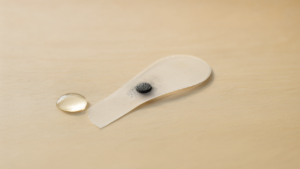
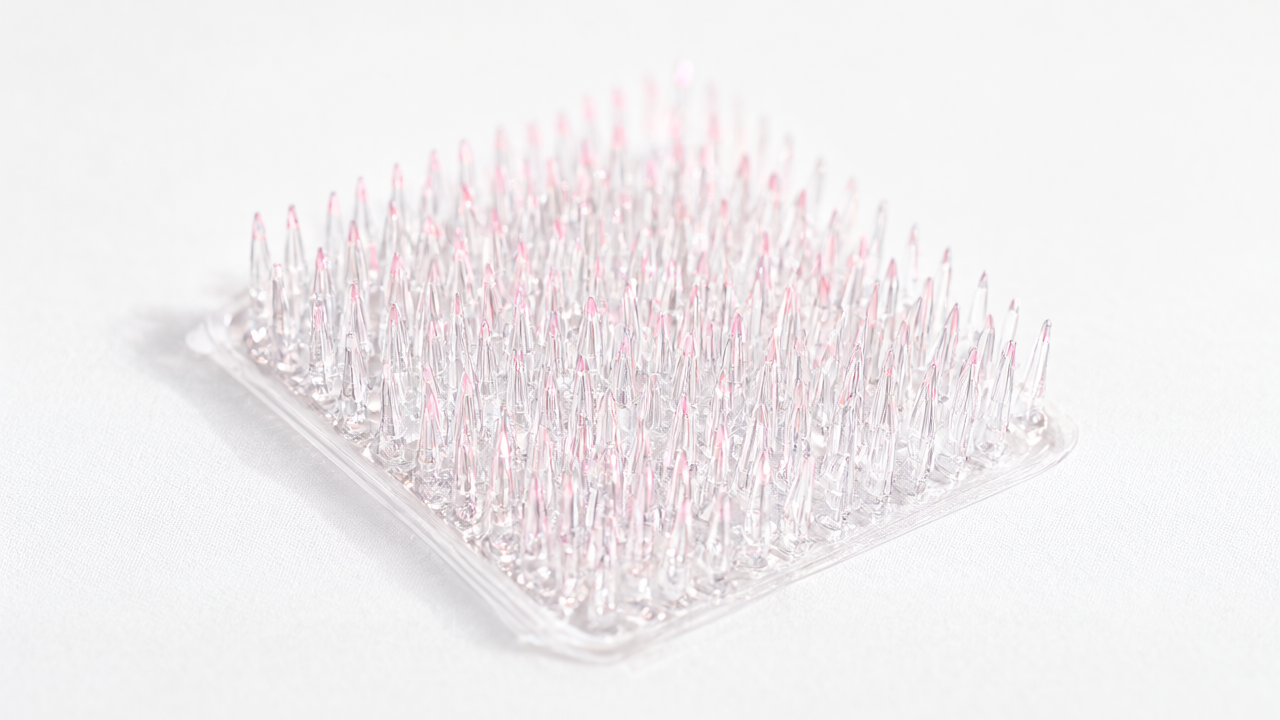
A student team at Purdue University has developed a hydrogel microneedle patch designed to offer a less painful, more accurate, and lower-cost method for blood glucose measurement compared to existing lancet and test strip technologies. This innovation holds the potential to dramatically improve the usability and accessibility of glucose monitoring for diabetes patients.
Technical / Clinical Details
The developed hydrogel microneedle patch is engineered to collect minute blood samples with minimal patient discomfort. Specifically, it efficiently gathers just one microliter of blood through capillary action. This small sample is then used by integrated sensors within the patch to determine blood glucose levels. Traditional finger-prick blood glucose testing is often painful for daily use, and disposable test strips contribute to high ongoing costs. This microneedle patch overcomes these drawbacks, providing an environment where patients can monitor their glucose levels more frequently and comfortably. Additionally, the research team is exploring the possibility of inferring blood glucose levels through non-invasive monitoring of acetone levels in breath, working to improve the accuracy of existing portable breath analyzers. Breath analysis, being entirely non-invasive, represents the ultimate goal for glucose measurement with zero patient burden.
Background & Context
The global number of diabetes patients continues to rise, making effective glucose management critical for preventing complications and maintaining quality of life. However, the pain, cost, and inconvenience associated with daily glucose measurement have been major factors contributing to low patient adherence. Consequently, the development of more patient-friendly and efficient glucose monitoring technologies has been an urgent challenge in the medical technology sector. This innovation by the Purdue student team aims to break through the limitations of existing technologies and potentially establish a new standard for diabetes management.
Strategic Significance & Outlook
This hydrogel microneedle patch could fundamentally transform the daily glucose monitoring experience for diabetes patients. If widespread adoption of this painless and simpler measurement method occurs, it could lead to increased testing frequency and stricter glucose control, significantly reducing the risk of diabetes complications. Its low cost also contributes to improved accessibility, especially in regions with limited healthcare resources. The combination with breath analysis technology could represent a powerful step towards achieving fully non-invasive glucose monitoring systems in the future. Moving forward, the key will be further validating its efficacy and safety through clinical trials, along with optimizing scalability and manufacturing processes for market introduction.
Get our weekly technology intelligence — free
Receive an infographic that lets you judge at a glance whether each field’s analysis report is worth reading.
Subscribe Free — Weekly Tech Intelligence
By subscribing, you’ll receive Troy-Technical’s weekly technology intelligence newsletter.
- Your email and selected fields are used only to deliver the newsletter.
- We never share your information with third parties.
- You can unsubscribe anytime via the link in each email.
See our Privacy Policy for details.
Takes about a minute · Unsubscribe anytime