Key Findings
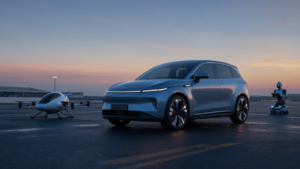
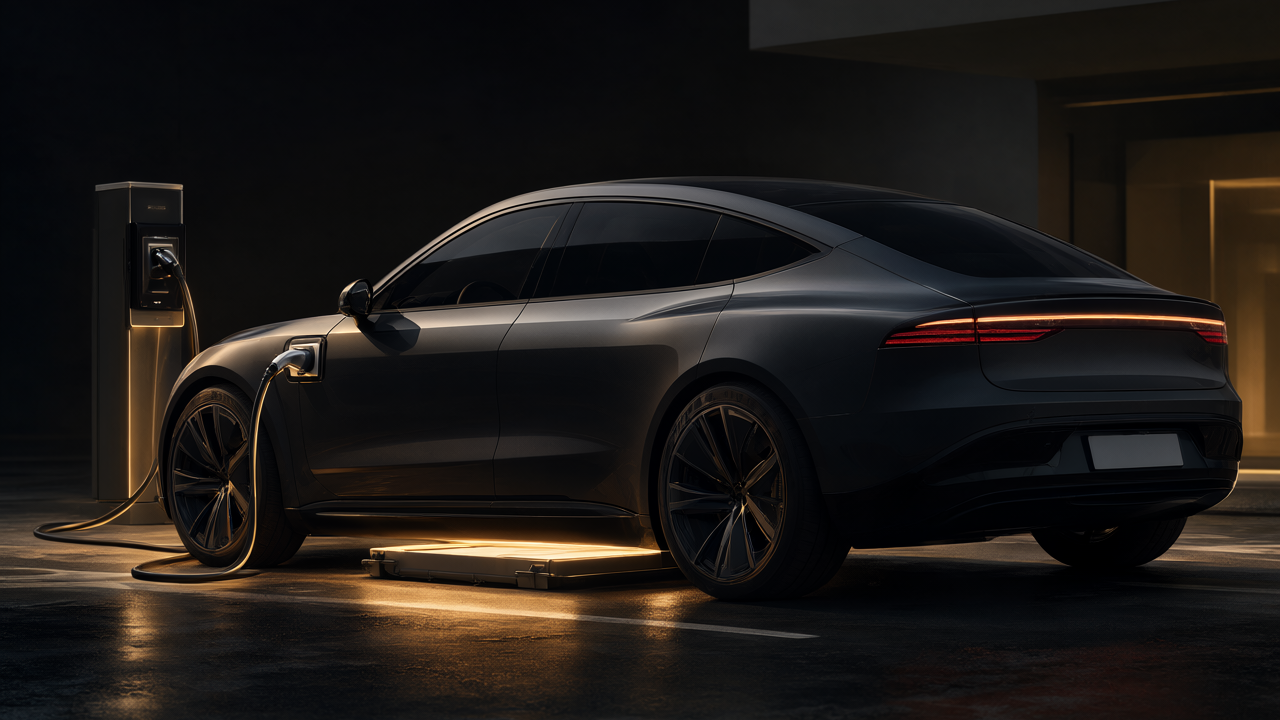
Toyota is set to revolutionize the electric vehicle (EV) market by integrating its advanced solid-state battery technology into Lexus flagship models starting in 2027-2028. This next-generation battery achieves an exceptional energy density of 480-500 Wh/kg, allowing for an 80% charge in a mere 10 minutes, and remarkably, retains over 90% of its capacity even after 2,000 charge-discharge cycles. These performance metrics significantly surpass current lithium-ion battery capabilities, promising extended range, ultra-fast charging, and superior durability for future EVs.
Technical & Collaborative Details
- Performance Benchmarks: The reported energy density of 480-500 Wh/kg is approximately double that of conventional lithium-ion batteries, directly translating to substantially longer driving ranges for EVs. The 10-minute 80% charging time effectively eliminates range anxiety and makes EV recharging comparable to refueling a gasoline car. The 90%+ capacity retention after 2,000 cycles ensures a long operational lifespan for the battery, reducing total cost of ownership and enhancing consumer confidence.
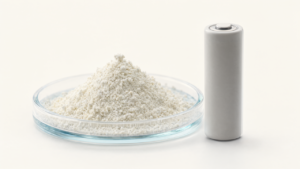
- Strategic Partnerships: Toyota is actively collaborating with Sumitomo Metal Mining on the joint development of high-durability cathode materials for these solid-state batteries, with plans for large-scale production commencing in fiscal year 2028. Furthermore, Idemitsu Kosan is slated to provide a stable supply of sulfide solid electrolytes, solidifying the critical material supply chain.
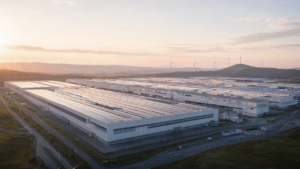
- Production Scale-Up: The company has ambitious plans to establish a production capacity of 10 GWh by 2030, indicating a clear path towards mass commercialization and widespread adoption.
Background & Industry Context
Solid-state batteries are considered the holy grail of next-generation energy storage due to their potential for higher energy density, faster charging, and inherent safety improvements over current liquid-electrolyte lithium-ion batteries. The absence of flammable liquid electrolytes eliminates fire risks and mitigates dendrite formation, a common cause of performance degradation and short circuits in traditional batteries. This breakthrough by Toyota places it at the forefront of the global race to commercialize solid-state technology.
The competitive landscape is intense, with major players like Samsung SDI also targeting sulfide-based solid-state battery mass production by 2027, backed by significant R&D investment. ProLogium Technology’s plans for a gigafactory in Dunkirk, France, further underscore the global commitment to this transformative technology. Toyota’s announcement, with its concrete performance data and aggressive timelines, positions Japan as a potential leader in this crucial technological shift.
Strategic Significance & Outlook
The commercialization of Toyota’s solid-state battery technology is poised to be a game-changer for the EV industry. It could fundamentally alter consumer perception of EVs by addressing major pain points. The superior performance characteristics — extended range, rapid charging, and enhanced safety — are expected to drive accelerated EV adoption rates worldwide. The robust partnerships with material suppliers like Sumitomo Metal Mining and Idemitsu Kosan are critical for establishing a resilient and scalable supply chain, bolstering Japan’s competitive edge in advanced battery manufacturing.
Get our weekly technology intelligence — free
Receive an infographic that lets you judge at a glance whether each field’s analysis report is worth reading.
Subscribe Free — Weekly Tech Intelligence
By subscribing, you’ll receive Troy-Technical’s weekly technology intelligence newsletter.
- Your email and selected fields are used only to deliver the newsletter.
- We never share your information with third parties.
- You can unsubscribe anytime via the link in each email.
See our Privacy Policy for details.
Takes about a minute · Unsubscribe anytime