Key Findings
Samsung SDI and LG Energy Solution, two major South Korean battery manufacturers, have revealed distinct strategic directions for the commercialization of next-generation all-solid-state batteries. Samsung SDI is focusing on sulfide-based solid-state batteries, targeting commercialization by 2027 and rapidly strengthening its material supply chain. In contrast, LG Energy Solution aims to commercialize graphite-based solid-state batteries for electric vehicles (EVs) by 2029, followed by anode-free solid-state batteries for advanced applications like humanoid robots by 2030. LG Energy Solution’s strategy prominently features the development of dry electrode technology to secure cost competitiveness.
Technical Details
- Samsung SDI’s Strategy: Samsung SDI has set an aggressive goal for mass production of sulfide-based all-solid-state batteries by 2027, actively building its supply chain for related materials. Sulfide-based systems are considered among the most promising solid-state battery technologies due to their high ionic conductivity and stability, making them closer to practical application.
- LG Energy Solution’s Strategy: LG Energy Solution is adopting a more diversified and phased approach. Initially, it aims for commercialization of graphite-based solid-state batteries for EVs by 2029. This represents a technological extension of existing lithium-ion battery technology, allowing for relatively earlier market entry. Subsequently, by 2030, the company plans to commercialize higher-performance anode-free solid-state batteries for next-generation applications such as humanoid robots, pursuing long-term technological leadership.
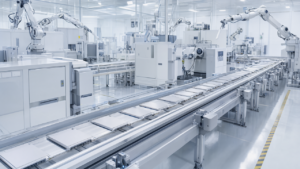
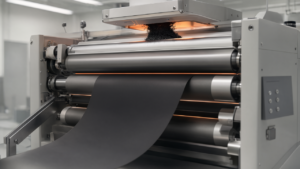
- LG Energy Solution’s Dry Electrode Technology: A key component of LG Energy Solution’s strategy to reduce high manufacturing costs is the development of dry electrode technology. This innovation eliminates the need for organic solvents and drying processes essential in conventional wet electrode manufacturing, thereby significantly cutting capital expenditure, processing time, and production costs. This is a crucial technological advancement directly impacting the price competitiveness of solid-state batteries.
Background & Context
All-solid-state batteries are heralded as a ‘game-changer’ for dramatically improving the range, safety, and charging speed of electric vehicles, leading to an intense global development race among battery and automotive manufacturers. Samsung SDI and LG Energy Solution, leveraging their respective technological strengths and market strategies, have chosen different material systems and production approaches. This divergence reflects the nascent stage of solid-state battery technology, where optimal materials and manufacturing processes are still being established. Manufacturing cost, in particular, remains one of the largest barriers to widespread adoption, making LG Energy Solution’s dry electrode technology a focal point of industry attention.
Strategic Significance & Outlook
Samsung SDI’s aggressive target for early market entry with sulfide-based solid-state batteries could have a significant impact on the EV industry. Meanwhile, LG Energy Solution’s phased approach and investment in dry electrode technology aim for broader and longer-term solid-state battery adoption across diverse applications. The potential for humanoid robots and other next-generation mobility and AI devices could open entirely new markets. The contrasting strategies of these two industry giants will be closely watched as they shape the future development of the solid-state battery market. Progress in cost reduction technologies will undoubtedly be critical to the widespread success of solid-state batteries.
Source: https://www.businesskorea.co.kr/news/articleView.html?idxno=278425
Get our weekly technology intelligence — free
Receive an infographic that lets you judge at a glance whether each field’s analysis report is worth reading.
Subscribe Free — Weekly Tech Intelligence
By subscribing, you’ll receive Troy-Technical’s weekly technology intelligence newsletter.
- Your email and selected fields are used only to deliver the newsletter.
- We never share your information with third parties.
- You can unsubscribe anytime via the link in each email.
See our Privacy Policy for details.
Takes about a minute · Unsubscribe anytime