Key Findings
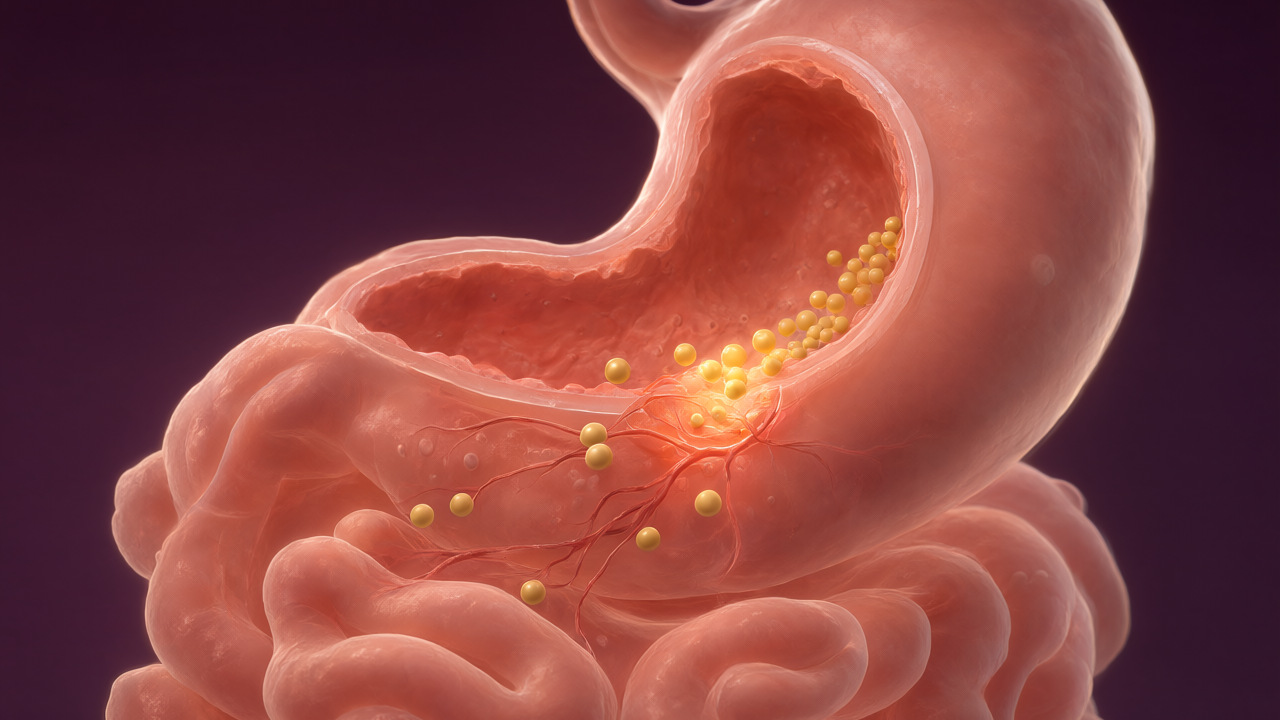
A collaborative research effort by Georgia Institute of Technology and Emory University has unveiled a novel method to precisely control the biodistribution of therapeutics by directly delivering lipid nanoparticle (LNP) formulations to distinct regions of the gastrointestinal (GI) tract. This breakthrough promises to enable unprecedented precision targeting for oral mRNA therapies and vaccines, as well as enhance the delivery of peptide drugs like GLP-1 agonists.
Technical/Clinical Details
The research demonstrated that by engineering the LNP formulation, it is possible to specifically target areas such as the small intestine or colon. This targeted delivery allows mRNA and GLP-1 molecules to reach intended tissues and organs more effectively, overcoming the hostile GI environment and poor absorption commonly associated with oral delivery of complex biologics. The ability to manipulate the absorption pathway from the gut means that pharmacokinetic profiles can be optimized, potentially leading to reduced side effects and maximized therapeutic impact. For instance, oral formulation of GLP-1 agonists, critical for diabetes management, could significantly improve patient convenience and adherence.
Background & Context
While mRNA technology has proven its transformative power in vaccine development, most applications remain parenteral. Oral administration offers immense benefits by reducing patient burden and facilitating large-scale vaccination campaigns and chronic disease management. Similarly, the low oral bioavailability of peptide therapeutics has been a persistent hurdle. This new LNP-based drug delivery system (DDS) addresses these challenges head-on, laying the groundwork for a new generation of orally administered biologics. The precise targeting capability is crucial for ensuring that these sensitive molecules survive the digestive process and are absorbed effectively at the optimal site for their intended action.
Strategic Significance & Outlook
This technology holds broad implications for various disease areas, including oncology, infectious diseases, and autoimmune conditions. Specifically, optimizing mRNA delivery to immune cells or specific tissues within the GI tract could lead to novel vaccine strategies and immunotherapies that precisely induce local or systemic immune responses. The research team plans further optimization of this LNP platform and expansion of its applications to diverse therapeutic molecules, accelerating the clinical translation of oral nucleic acid and peptide medicines. For investors and pharmaceutical companies, this technology represents a significant opportunity to tap into new markets and revolutionize drug administration paradigms, potentially making complex treatments more accessible and patient-friendly globally.
Get our weekly technology intelligence — free
Receive an infographic that lets you judge at a glance whether each field’s analysis report is worth reading.
Subscribe Free — Weekly Tech Intelligence
By subscribing, you’ll receive Troy-Technical’s weekly technology intelligence newsletter.
- Your email and selected fields are used only to deliver the newsletter.
- We never share your information with third parties.
- You can unsubscribe anytime via the link in each email.
See our Privacy Policy for details.
Takes about a minute · Unsubscribe anytime