Key Findings
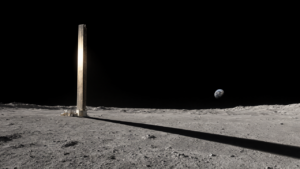
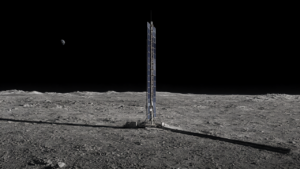
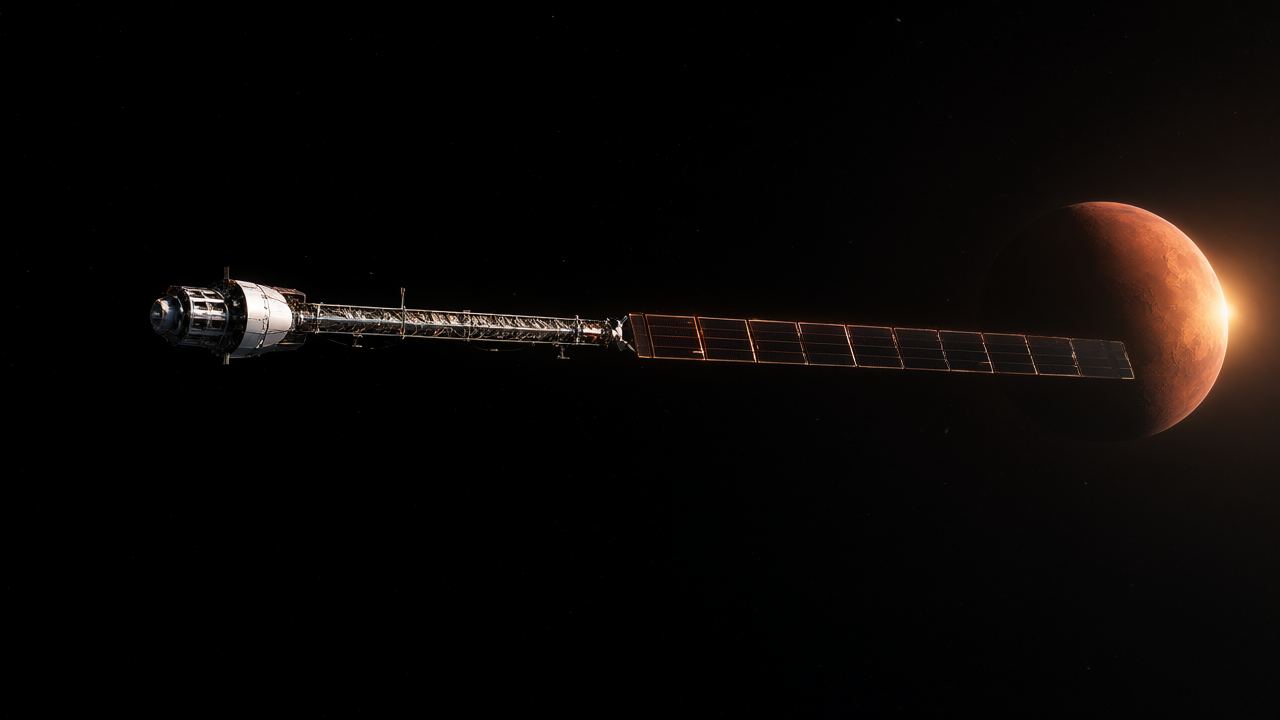
NASA is intensifying its focus on nuclear power as a robust, sun-independent energy source for future space missions. In a landmark initiative, the agency will launch ‘Space Reactor-1 Freedom,’ the first fission interplanetary spacecraft, to Mars in 2028. This mission is designed to demonstrate nuclear electric propulsion (NEP) and will also transport three SkyFall helicopters to the Martian surface. Concurrently, the ‘Lunar Reactor-1’ will be deployed on the Moon, serving as the first fission power system on the lunar surface to supply continuous power to lunar bases during extended lunar nights.
Technical / Clinical Details
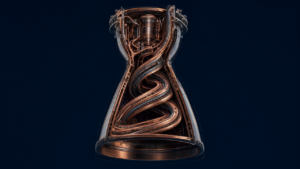
‘Space Reactor-1 Freedom’ represents a significant leap forward in propulsion technology, showcasing Nuclear Electric Propulsion (NEP). An NEP system converts heat generated from nuclear fission into electrical power, which then propels a spacecraft by accelerating propellant. This method promises significantly more efficient and faster interplanetary travel compared to traditional chemical propulsion, potentially cutting transit times for crewed Mars missions and enhancing cargo delivery capabilities.
For sustainable lunar operations, ‘Lunar Reactor-1’ will be instrumental. This compact fission reactor is capable of providing stable electrical power to lunar bases during the approximately 14-day-long lunar night, when solar power is unavailable. This capability is critical for establishing a foundation for scientific research, resource extraction, and future habitation facilities on the Moon. Both reactor systems are developed under stringent design principles and extensive testing to ensure safe and reliable operation in the harsh space environment.
Background & Context
The limitations of solar power become increasingly apparent in deep space exploration and for long-duration stays on the Moon and Mars. Solar intensity diminishes with distance from Earth, and power generation can be interrupted by planetary nights, lunar nights, or adverse weather conditions like Martian dust storms. Nuclear power emerges as the only viable solution to these challenges, offering high energy density and continuous power supply. NASA’s investment in nuclear technology is a strategic move to expand the reach and sustainability of human space exploration.
Strategic Significance & Outlook
The success of ‘Space Reactor-1 Freedom’ and ‘Lunar Reactor-1’ will unequivocally establish the crucial role of nuclear power in space exploration. Nuclear electric propulsion has the potential to fundamentally transform space transportation, enabling faster crewed missions to Mars and rapid exploration of the outer solar system. Fission power on the Moon will guarantee sustainable operations for lunar bases, becoming an indispensable element for future lunar resource utilization and the development of lunar outposts as gateways to Mars. These technologies are foundational to extending humanity’s presence across the solar system.
Source: https://www.nasa.gov/space-nuclear/
Get our weekly technology intelligence — free
Receive an infographic that lets you judge at a glance whether each field’s analysis report is worth reading.
Subscribe Free — Weekly Tech Intelligence
By subscribing, you’ll receive Troy-Technical’s weekly technology intelligence newsletter.
- Your email and selected fields are used only to deliver the newsletter.
- We never share your information with third parties.
- You can unsubscribe anytime via the link in each email.
See our Privacy Policy for details.
Takes about a minute · Unsubscribe anytime