Key Findings
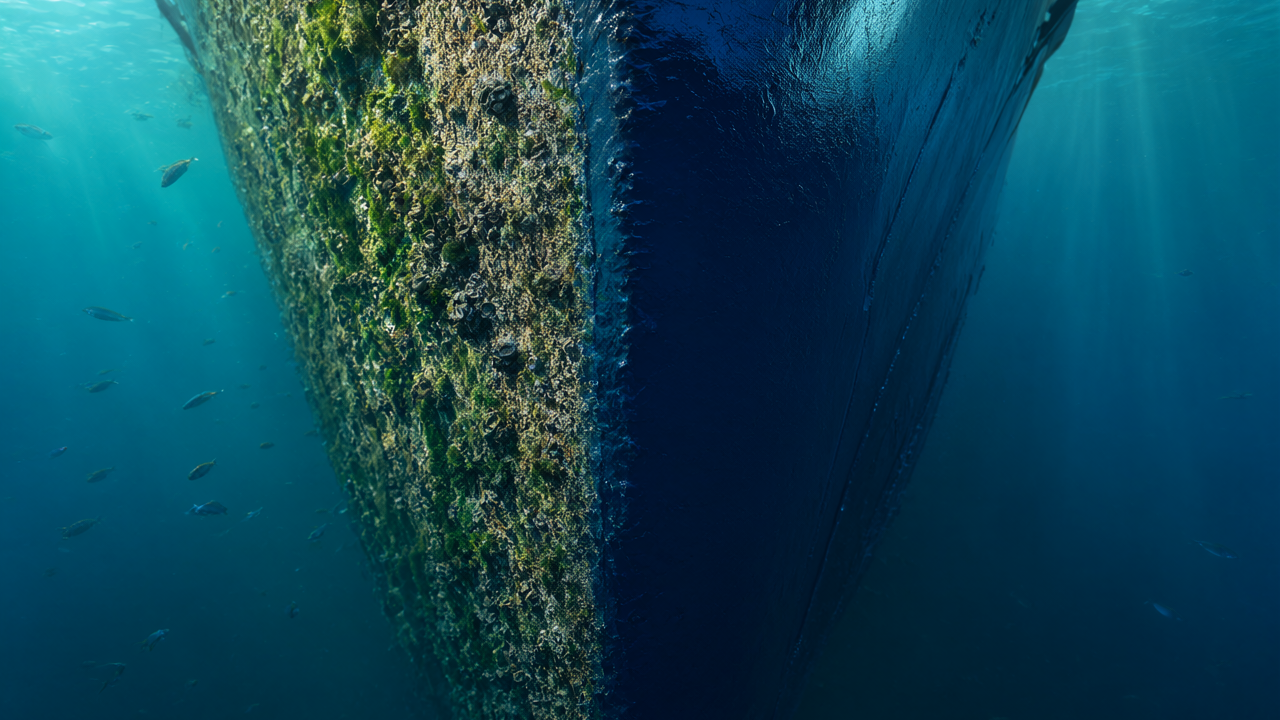
Scientists have engineered a novel, degradable marine antifouling coating utilizing hyperbranched polymers that effectively prevents biofouling. This groundbreaking coating ingeniously integrates three distinct antifouling mechanisms: passive defense, active biocide release, and controlled surface degradation. This synergistic approach successfully reduces the total biocide emission by approximately 95% compared to conventional antifouling technologies, achieving both long-term efficacy and significantly lower environmental impact.
Technical/Clinical Details
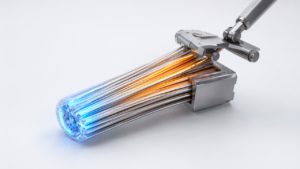
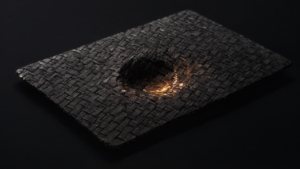
The new antifouling coating is characterized by a degradable matrix formed by cross-linking two types of hyperbranched polymers. The first mechanism, passive defense, is achieved through the coating’s smooth surface properties, which physically impede biological adhesion. Secondly, an active biocide, isothiazolinone, is incorporated within the coating matrix and released into the environment at a minimal and precisely controlled rate. This contrasts sharply with traditional coatings that rely on a high-volume, continuous release of biocides. The third mechanism involves a self-cleaning function where the coating surface slowly degrades over time, causing adhered microalgae and other fouling organisms to detach. This multifaceted action has been confirmed to provide superior, long-term antifouling performance, particularly against microalgae.
Background & Context
Biofouling on ships and marine structures presents severe environmental and economic challenges, including reduced fuel efficiency, structural degradation, and the spread of invasive species. Conventional antifouling paints, while effective, often rely on the heavy release of toxic biocides such as tributyltin (TBT), which have led to significant environmental concerns and subsequent stringent regulations. Modern antifouling research is intensely focused on discovering more sustainable solutions that maintain high performance while drastically reducing ecological footprints. This hyperbranched coating represents a promising advancement in addressing this critical industry need.
Strategic Significance & Outlook
This multifunctional hyperbranched coating has the potential to profoundly impact the marine industry by substantially lowering environmental impact while simultaneously enhancing vessel operational efficiency and reducing maintenance costs. The dramatic reduction in biocide release minimizes harm to marine ecosystems and ensures compliance with increasingly strict environmental regulations. Future critical steps include validating its antifouling efficacy against a broader spectrum of marine organisms, establishing scalable manufacturing processes, and conducting long-term durability assessments in real-world marine environments. Widespread adoption of this technology is expected to significantly contribute to the achievement of sustainability goals across the global marine sector.
Get our weekly technology intelligence — free
Receive an infographic that lets you judge at a glance whether each field’s analysis report is worth reading.
Subscribe Free — Weekly Tech Intelligence
By subscribing, you’ll receive Troy-Technical’s weekly technology intelligence newsletter.
- Your email and selected fields are used only to deliver the newsletter.
- We never share your information with third parties.
- You can unsubscribe anytime via the link in each email.
See our Privacy Policy for details.
Takes about a minute · Unsubscribe anytime