Key Findings
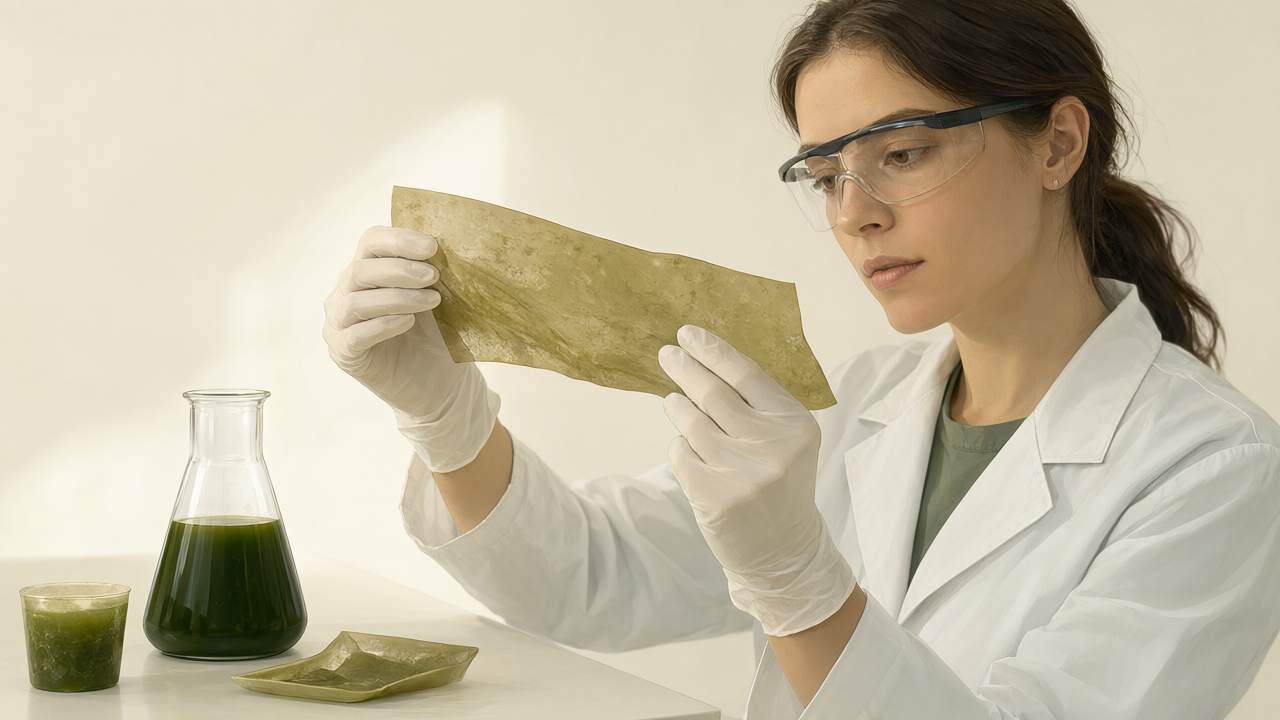
A research team at UNSW Sydney in Australia is pioneering a groundbreaking project to utilize algae, generated during wastewater treatment processes, as a novel bioplastic material for manufacturing industries. The research has successfully demonstrated the production of prototype resins based on algae and developed potential product applications, thereby unlocking new value from previously untapped wastewater resources.
Technical and Process Details
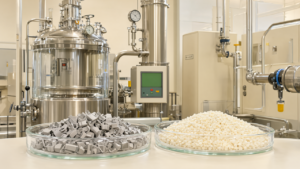
- Bioplastic Production from Algae: The project leverages algal biomass collected from municipal wastewater treatment facilities as a feedstock for biopolymer production. Algae grow rapidly through photosynthesis, absorbing nutrients such as nitrogen and phosphorus from wastewater, which also contributes to enhanced wastewater purification.
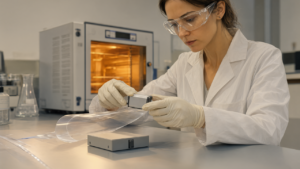
- Prototype Resin Development: The harvested algal biomass undergoes specific chemical processing to yield a bioplastic resin. The research team has created prototype models to demonstrate that this algae-derived resin can be processed using common manufacturing techniques, including injection molding and 3D printing. This showcases the material’s versatility for diverse product forms.
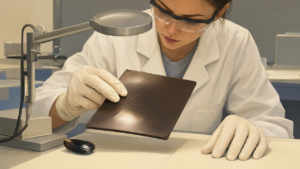
- Potential Applications: Envisioned applications for the algae-derived resin include disposable packaging, agricultural films, medical devices, automotive components, and even building materials. These products are expected to exhibit a lower environmental footprint compared to conventional plastic counterparts.
Background & Industry Context
Amidst growing global concerns about plastic pollution and climate change, there is an escalating demand for sustainable material solutions. Interest in bio-based plastics, independent of fossil fuels, is particularly high, but challenges such as competition with food resources and production costs have persisted. UNSW’s research offers a sustainable approach by utilizing non-food source wastewater algae, overcoming these challenges and reconciling resource efficiency with environmental impact reduction. This initiative also aligns with a ‘waste-to-resource’ strategy, transforming wastewater byproducts into high-value products.
Strategic Significance & Outlook
The UNSW Sydney research team is focused on scaling up and improving the cost-efficiency of the algae-derived bioplastic manufacturing process, with the goal of commercialization. Further research will gather detailed data on the material’s mechanical properties, durability, biodegradability, and comprehensive life cycle assessment. Successful implementation of this technology would significantly enhance wastewater treatment sustainability while contributing substantially to the decarbonization of the plastics industry and the transition to a circular economy. In the future, there is potential to strengthen collaborations with local wastewater treatment facilities to establish large-scale algae supply networks.
Get our weekly technology intelligence — free
Receive an infographic that lets you judge at a glance whether each field’s analysis report is worth reading.
Subscribe Free — Weekly Tech Intelligence
By subscribing, you’ll receive Troy-Technical’s weekly technology intelligence newsletter.
- Your email and selected fields are used only to deliver the newsletter.
- We never share your information with third parties.
- You can unsubscribe anytime via the link in each email.
See our Privacy Policy for details.
Takes about a minute · Unsubscribe anytime