Key Findings
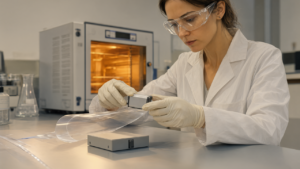
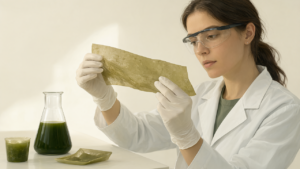
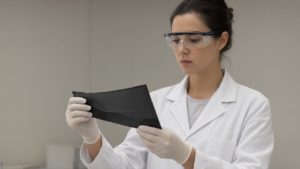
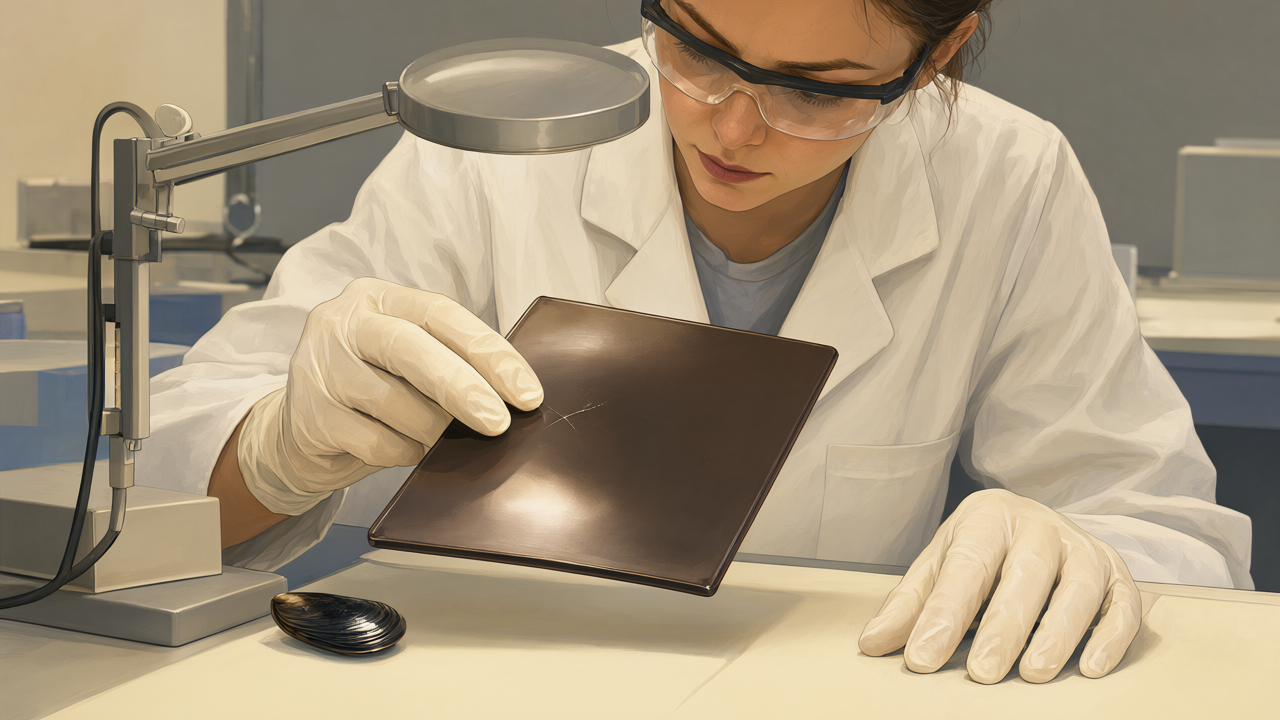
TEPCO’s Management Technology Strategy Research Institute has achieved a significant breakthrough in material science with the development of a novel self-healing polymer, designed to extend the lifespan and enhance the maintenance efficiency of power infrastructure. Drawing inspiration from the robust underwater adhesion of mussels, this polymer incorporates catechol groups, enabling dynamic covalent bonds. Experimental results confirm that the material not only recovers its tensile strength after suffering physical impact but also demonstrates remarkable autonomous repair capabilities, effectively eliminating 40-micrometer deep scratches within a few hours without external intervention.
Technical Details
The core of this technology lies in the dynamic covalent bonding facilitated by catechol groups. These groups allow for reversible bond formation and cleavage, providing the material with its self-healing property. Unlike many conventional self-healing materials that require external stimuli such as heat or light, this polymer exhibits autonomous repair at ambient temperatures, significantly lowering the barrier to practical application. This intrinsic repair mechanism can mitigate micro-cracks and damages that typically accumulate in power equipment, thereby slowing down overall material degradation and prolonging operational life.
Background & Context
Power infrastructure operates under severe environmental conditions for extended periods, making material durability a critical challenge. Applying self-healing polymers to insulation materials, anti-corrosion coatings, and other components in power lines and transformers could drastically reduce the risk of unexpected failures and extend planned maintenance cycles. Many utility companies globally face increasing costs associated with equipment replacement and maintenance. This innovation offers a cost-effective solution, potentially transforming how power assets are managed and maintained, aligning with global efforts to create more resilient infrastructure.
Strategic Significance & Outlook
The deployment of this self-healing polymer is expected to reduce downtime due to unforeseen equipment failures, contributing to a more stable power supply. Future research will focus on long-term durability assessments under real-world conditions and exploring broader applications across various power facilities, including smart grids and renewable energy installations. This technology holds substantial promise for enhancing the reliability of sustainable infrastructure, positioning it as a key enabler for future energy systems.
Source: https://www.denkishimbun.com/sp/415698
Get our weekly technology intelligence — free
Receive an infographic that lets you judge at a glance whether each field’s analysis report is worth reading.
Subscribe Free — Weekly Tech Intelligence
By subscribing, you’ll receive Troy-Technical’s weekly technology intelligence newsletter.
- Your email and selected fields are used only to deliver the newsletter.
- We never share your information with third parties.
- You can unsubscribe anytime via the link in each email.
See our Privacy Policy for details.
Takes about a minute · Unsubscribe anytime