Key Findings
Toray Industries, Inc. has achieved a groundbreaking innovation in the recycling of high-performance super engineering plastics, specifically polyphenylene sulfide (PPS). The company has developed an industry-first solvent material recycling technology that enables the separation and recovery of PPS from used PPS-containing waste materials, yielding a product with quality equivalent to virgin PPS. This breakthrough is projected to reduce greenhouse gas (GHG) emissions by approximately 30% across the entire lifecycle, from raw material production to final product manufacturing. Toray aims to commence commercial sales of this recycled PPS by 2030.
Technical Details
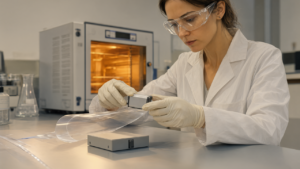
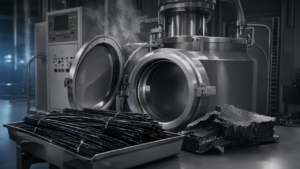
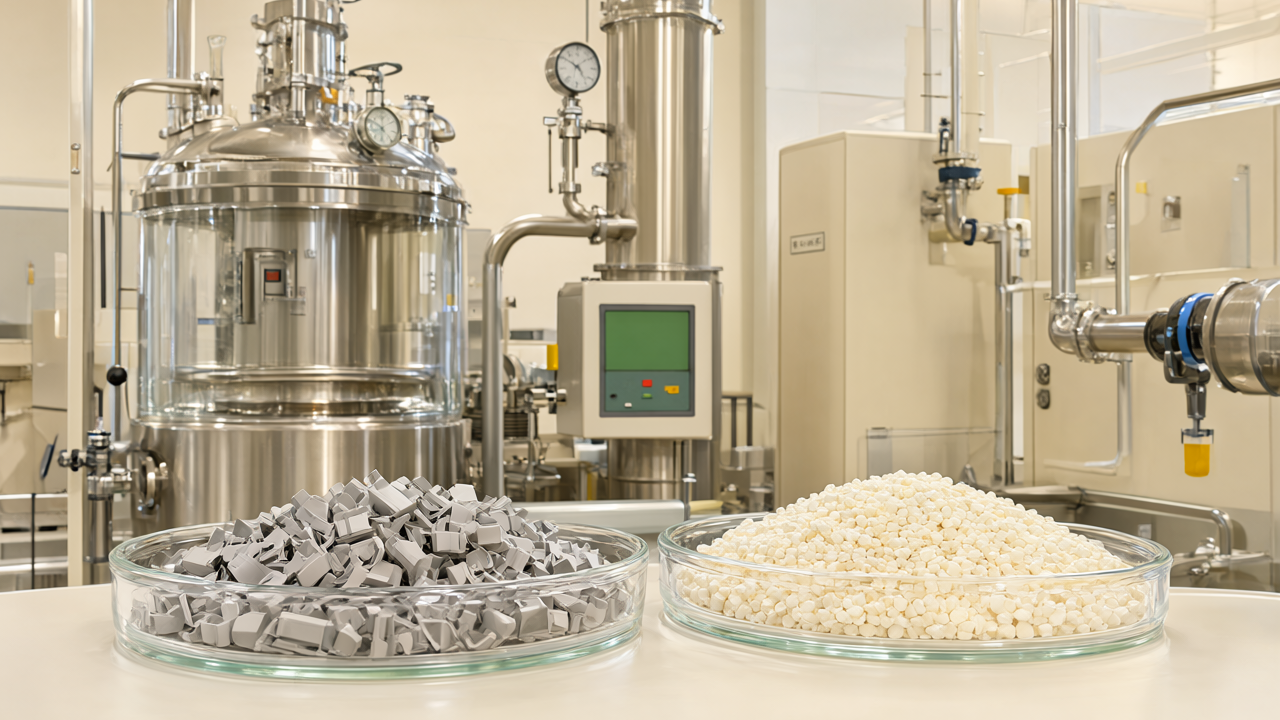
The newly developed solvent material recycling technology capitalizes on PPS’s selective solubility in certain solvents. The process involves pulverizing PPS-containing waste materials—such as scraps from automotive or electronic components—and immersing them in an appropriate solvent. Within this solvent, only PPS is efficiently dissolved, effectively separating it from impurities and other materials like glass fibers or metals. Subsequently, the dissolved PPS solution is processed to recover the solvent, and high-purity PPS polymer is precipitated and dried to obtain PPS pellets comparable in quality to virgin material. This process fundamentally resolves issues of quality degradation and property deterioration caused by foreign matter contamination, which have been significant challenges in conventional mechanical recycling methods.
Background & Context
PPS is extensively used in demanding applications, including automotive electrical components, electronic devices, and industrial machinery, owing to its exceptional heat resistance, chemical resistance, and mechanical strength. However, due to its high functionality, PPS has historically been difficult to recycle, with most waste ending up incinerated or landfilled. Amid tightening global environmental regulations and an accelerating transition to a sustainable society, the development of recycling technologies for high-performance plastics has become an urgent priority. Especially with the advancement of electrification in the automotive industry, demand for PPS is steadily increasing, making its resource circulation essential for reducing the environmental footprint of the entire supply chain. Toray’s technology aims to establish a circular economy within the PPS value chain, significantly contributing to the efficient utilization of resources.
Strategic Significance & Outlook
Toray’s industry-first PPS solvent material recycling technology has the potential to set a new standard in the high-performance plastic recycling sector. By targeting commercial sales by 2030, recycled PPS will become available on the market, enabling automotive and electronics manufacturers to accelerate the achievement of their environmental targets within their supply chains. This will promote the sustainable use of PPS and contribute to solving the plastic waste problem. Based on this technology, Toray plans to further strengthen its initiatives toward realizing a circular society, including exploring applications for other high-performance plastics.
Source: https://monoist.itmedia.co.jp/mn/articles/2610/06/news013.html
Get our weekly technology intelligence — free
Receive an infographic that lets you judge at a glance whether each field’s analysis report is worth reading.
Subscribe Free — Weekly Tech Intelligence
By subscribing, you’ll receive Troy-Technical’s weekly technology intelligence newsletter.
- Your email and selected fields are used only to deliver the newsletter.
- We never share your information with third parties.
- You can unsubscribe anytime via the link in each email.
See our Privacy Policy for details.
Takes about a minute · Unsubscribe anytime