Key Findings
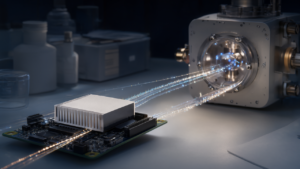
Numana and the Open Compute Project (OCP) Foundation have initiated a strategic collaboration to explore how quantum technologies can be integrated into current AI data center infrastructures to extend their capabilities. A significant outcome of this partnership is the opening of the ‘Kirq Quantum Communication Testbed’ in Quebec, Canada, as an OCP Experience Center. This testbed will play a central role in testing quantum-safe innovations under near real-world conditions and validating network architectures for future quantum-resilient infrastructure.
Technical Details
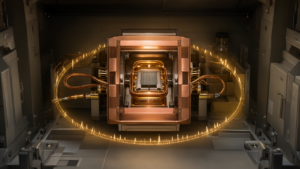
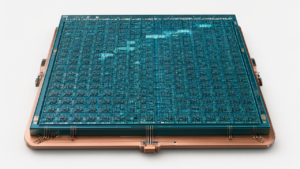
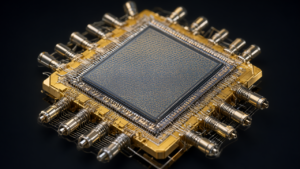
The Kirq Quantum Communication Testbed comprises multiple nodes across Quebec City, Sherbrooke, and Montreal, simulating a geographically distributed quantum communication infrastructure. Various quantum technologies, including Quantum Key Distribution (QKD) systems, Post-Quantum Cryptography (PQC) algorithms, and network protocols necessary for distributed quantum computing, will be evaluated within this testbed. As part of OCP’s Future Technologies Initiative (FTI), this collaboration aims to accelerate the implementation of quantum-safe networks and technologies, encouraging the data center provider community to engage with quantum technologies to formulate new standards and best practices. A specific focus is on achieving seamless integration between AI workloads and quantum computing resources, maximizing the efficiency and security of hybrid computing environments.
Background and Industry Context
With the rapid advancement of AI, the computational power and data processing security of data centers are becoming increasingly crucial. However, future quantum computers pose a severe threat to existing public-key cryptography systems, potentially rendering current digital infrastructure vulnerable. Given this context, the transition to quantum-safe communication and computing infrastructure is an urgent priority. OCP, an industry body that promotes open-source hardware designs and infrastructure standards, integrating quantum technology into its ecosystem is pivotal for accelerating widespread adoption and standardization. The partnership with Numana reflects a broader industry trend where quantum technology vendors and large-scale data center operators collaborate to build the next generation of secure, high-performance computing environments.
Strategic Significance and Outlook
The collaboration between Numana and OCP will significantly influence how quantum technologies are integrated into data center and cloud infrastructures. The validation results from the Kirq testbed will provide valuable information for standardizing quantum-safe network protocols and formulating design guidelines for hybrid quantum-classical computing systems. In the future, through this collaboration, quantum technology is expected to become an indispensable component for enhancing the performance and security of AI data centers, benefiting numerous industrial sectors that handle sensitive data, such as finance, healthcare, and government agencies. This marks an important step towards realizing the quantum internet and building quantum resilience into our digital infrastructure.
Source: https://www.opencompute.org/blog/numana-and-open-compute-project-establish-quantum-collaboration