Key Findings
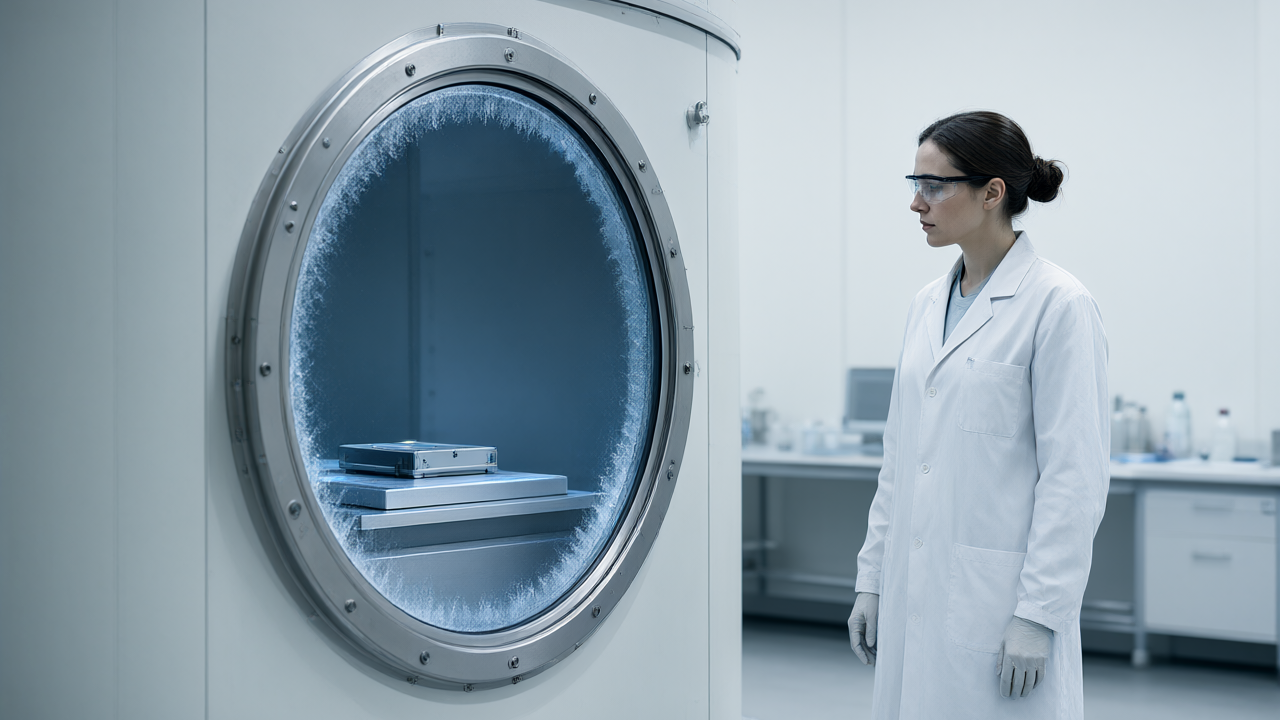
NASA has verified that its solid-state battery prototypes can operate at temperatures as low as -80°C, although performance is reduced at this limit. During thermal vacuum testing conducted at the Langley Research Center, the prototypes demonstrated stable operation between -60°C and 80°C and remained undamaged after exposure to extreme temperature fluctuations ranging from -170°C to 100°C.
Technical Details
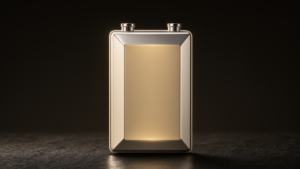
The project, titled SPEARS (Solid Power for Extreme Environment Adaptability and Resilience in Space), is led by the Glenn Research Center. The batteries utilize ceramic or polymer-based solid-state electrolytes to overcome the limitations of traditional lithium-ion batteries. While liquid electrolytes in conventional batteries can freeze in extreme cold or volatilize in vacuum and high-temperature environments, the solid-state electrolytes used in SPEARS avoid these issues.
Despite these advantages, the batteries cannot operate directly at extreme low temperatures and require small heating devices to restore them to a suitable operating temperature.
Background and Context
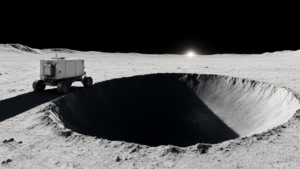
The lunar South Pole presents a severe environment where nighttime temperatures can drop to approximately -200°C. Current spacecraft and lunar facilities require extensive continuous insulation and thermal management systems to protect power sources from these diurnal temperature differences. The SPEARS project aims to mitigate these requirements to lower the overall weight and cost of lunar infrastructure.
Significance and Outlook
The technology is intended to power scientific exploration equipment, astronaut emergency power supplies, and lunar rovers, ultimately extending mission operation times. SPEARS remains in the research and development stage. Moving forward, the Ames Research Center will develop related electronic equipment and test circuit boards for subsequent space environment testing. NASA also anticipates that this solid-state battery technology may eventually be applied to drones, communication equipment, and automobiles.
Source: https://www.energytrend.com/news/20261016-52298.html
Get our weekly technology intelligence — free
Receive an infographic that lets you judge at a glance whether each field’s analysis report is worth reading.
Subscribe Free — Weekly Tech Intelligence
By subscribing, you’ll receive Troy-Technical’s weekly technology intelligence newsletter.
- Your email and selected fields are used only to deliver the newsletter.
- We never share your information with third parties.
- You can unsubscribe anytime via the link in each email.
See our Privacy Policy for details.
Takes about a minute · Unsubscribe anytime